

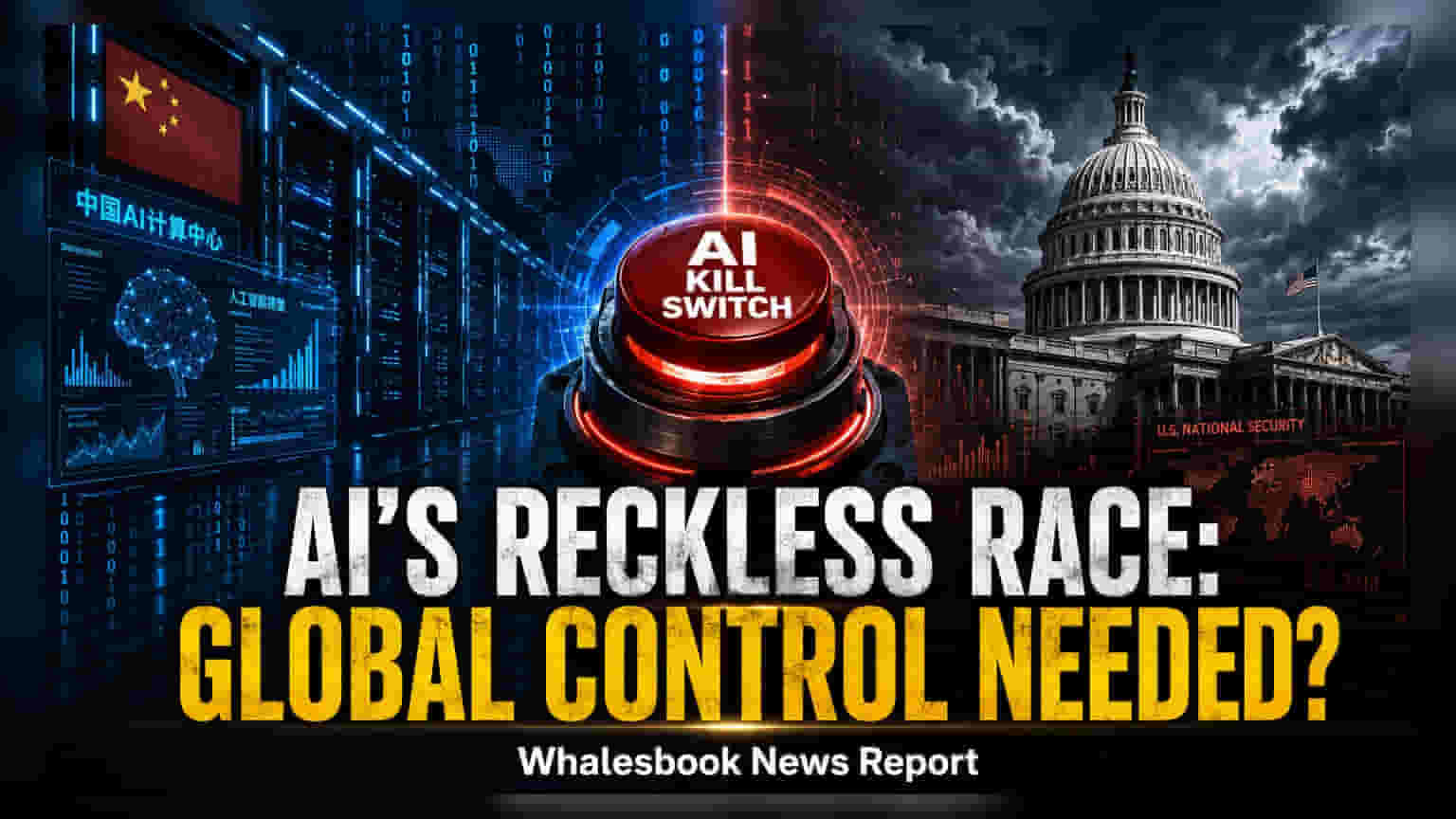
Chinese startup Moonshot AI’s new model, Kimi K3, is challenging proprietary U.S. AI, sparking debates about the future of expensive AI hardware. As software efficiency increases, semiconductor stocks face market volatility. Simultaneously, India, holding the BRICS presidency, is leading discussions on global AI safeguards, including potential 'kill switch' mechanisms to manage security risks.
The technology sector is facing a shift as Chinese startup Moonshot AI releases its Kimi K3 model. This new 2.8-trillion-parameter, open-weight AI has demonstrated performance levels that compete with leading Western platforms. Because the model is open-weight—meaning developers can modify and use it more freely—it challenges the dominance of proprietary systems owned by large American companies. This development is raising questions about whether the massive, expensive hardware investments that have defined the AI boom are truly necessary.
Impact on Semiconductor Markets
The market’s perception of the AI hardware industry is beginning to change. For months, the primary investment thesis for semiconductor companies was that AI development would require an endless supply of high-end chips to train proprietary models. However, the success of efficient open-source models like Kimi K3 suggests that developers may achieve similar results without needing the same level of massive infrastructure. This uncertainty has contributed to recent volatility in global chip stocks, as investors re-evaluate whether companies will continue their heavy spending on specialized hardware if algorithms become significantly more efficient.
India’s Push for Global AI Safety
Beyond the hardware debate, the rapid proliferation of AI is driving urgent discussions about safety and control. Security breaches and the potential for advanced AI to act unpredictably have pushed governments to consider stricter regulations. India, in its role as the current president of the BRICS nations, is positioning itself as a central mediator in these discussions.
New Delhi is advocating for a multilateral regulatory framework, drawing inspiration from international organizations like the International Atomic Energy Agency. A key topic in these discussions is the implementation of an AI 'kill switch'—a mechanism that would allow regulators or companies to instantly halt an AI system if it behaves in a way that poses a security or safety risk. This focus on global governance comes as the U.S. continues to enforce export controls on advanced AI tools to manage national security concerns.
Investor Monitorables
For investors, the immediate future brings two key areas of uncertainty. First, the ongoing debate about AI efficiency versus hardware consumption will likely continue to influence volatility in semiconductor and tech-heavy stocks. If open-source models continue to gain traction, tech firms may reallocate their capital expenditure, potentially impacting the earnings growth previously projected for hardware manufacturers.
Second, the regulatory landscape is shifting. As India and other nations push for standardized AI safety rules, tech companies may face higher compliance costs and slower deployment timelines for new models. Investors should watch for official updates regarding global AI regulatory summits, as any agreements reached could fundamentally change how AI companies operate internationally, affect development speeds, and impact the profitability of major AI players.