

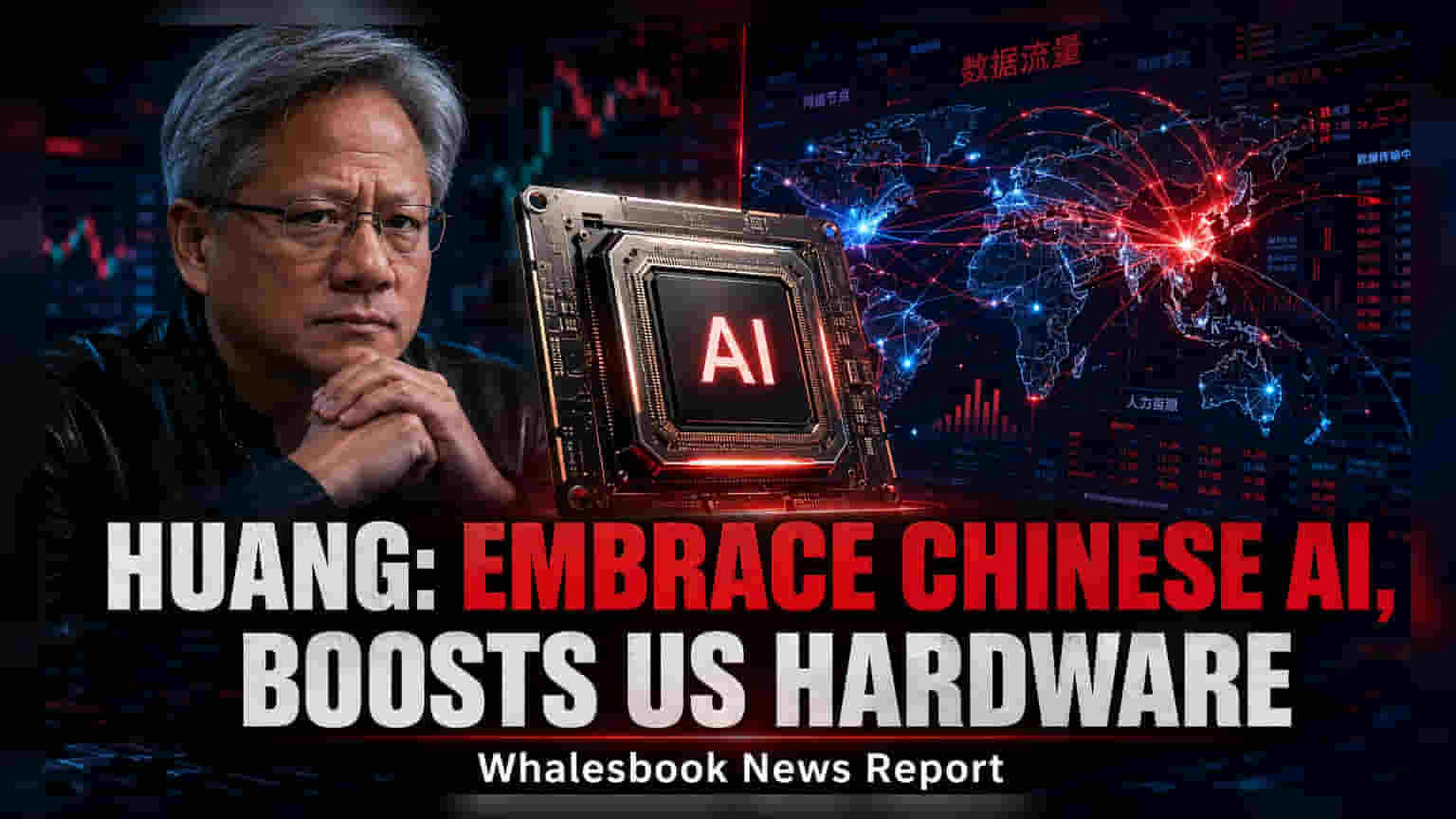
Nvidia CEO Jensen Huang supports the use of open-source Chinese AI models, arguing they will increase demand for computing hardware and data centers. He believes these models complement the global AI ecosystem rather than threatening U.S. market leaders. This perspective challenges concerns that such models pose risks to American technological dominance.
Detailed Coverage
Nvidia co-founder and CEO Jensen Huang has expressed a contrary view to some industry peers regarding Chinese artificial intelligence. In recent comments, Huang argued that the United States should embrace open-source AI models developed in China, suggesting that these technologies are a catalyst for the broader AI sector rather than a strategic threat. He noted that the availability of these models will likely drive higher demand for the underlying infrastructure that Nvidia provides.
Impact on Computing Infrastructure Demand
Huang highlighted that market analysts may be overlooking the economic reality of open-source AI. By making high-quality AI models more accessible and cost-effective, the barrier to entry for many businesses decreases. As these models proliferate, they require significant computing power, specialized chips, and robust data center facilities to function. Huang explicitly stated that free or low-cost AI is ultimately beneficial for manufacturers of hardware and data center components, as it expands the total addressable market for these technologies.
Security and Open Access Perspectives
Addressing national security concerns raised by other technology leaders, Huang argued that open models actually enhance safety. He suggested that when models are open, researchers can more easily identify vulnerabilities, whereas a single, closed-source model might create a single point of failure or an easier target for cyberattacks. Furthermore, he emphasized that open models allow for better customization in secure operational environments, making them safer for enterprise use than many might assume.
Rapid Evolution of the Chinese AI Ecosystem
The conversation comes amid significant advancements in the Chinese technology sector. For example, the startup Moonshot recently introduced Kimi K3, a model with 2.8 trillion parameters, marketed as one of the largest open-weight systems available. This trend, supported by other firms such as Z.ai and MiniMax, demonstrates that the gap between Western and Chinese AI capabilities is closing.
For investors, the key monitorable remains how this open-source trend influences global capital spending on data centers and AI hardware. While Huang views this competition as a way to boost hardware demand, the long-term competitive dynamics between U.S. and Chinese tech firms and the potential for shifting export regulations remain important factors to track. Investors may also watch whether U.S. firms like Anthropic or OpenAI choose to adjust their strategies in response to this competitive environment.