 Whalesbook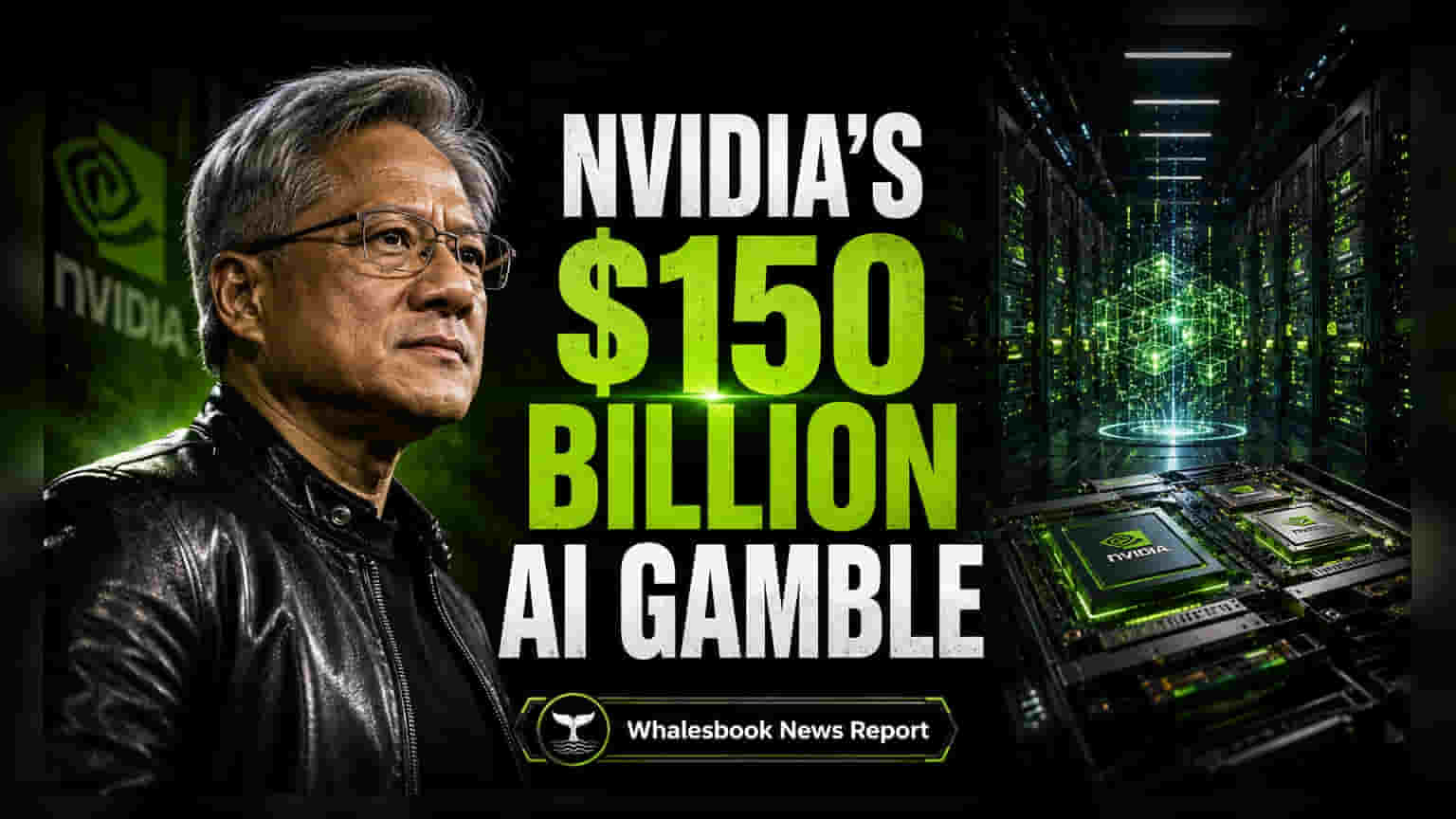


Nvidia's Major Taiwan Investment
Nvidia is boosting its annual spending in Taiwan to $150 billion, a substantial increase from previous years. This move aims to secure long-term manufacturing priority with TSMC for its next-generation Vera Rubin systems. While this investment signals growth, it also concentrates Nvidia's supply chain in a single location, creating a significant structural risk for a company valued at over $5 trillion.
Geopolitical Concerns Mount
CEO Jensen Huang calls Taiwan the "epicentre" of the AI revolution, but this overlooks the strategic dangers. With over 90% of global advanced semiconductor production on the island, any disruption could cripple the AI industry. Unlike some competitors diversifying production, Nvidia remains heavily reliant on Taiwan. Even as TSMC expands globally, its most advanced chip processes for Nvidia's high-margin GPUs are based there. This dependence persists despite frequent military activity in the Taiwan Strait, a risk investors are increasingly watching.
Risks in Nvidia's High Valuation
Nvidia's current valuation, trading at about 33 times earnings, relies on smooth operations in a volatile region. The recent stock performance, which has lagged despite strong earnings, suggests the market is factoring in this geopolitical risk. The company also faces execution challenges with its upcoming products. Rising supply chain costs due to increasing technical complexity could squeeze profit margins if Nvidia cannot pass them to clients. A worsening geopolitical situation would leave its core data center business vulnerable without alternative high-capacity foundries.
Future Outlook Amid Risks
Analysts remain focused on the near-term success of Nvidia's Blackwell and Vera Rubin architectures, expecting premium pricing to continue as AI demand outstrips supply. Key for the coming quarters will be how Nvidia manages its geographic concentration risk and rising hardware costs. The company's new Taipei headquarters symbolizes its commitment to the region, which is currently a focal point of global power dynamics.