

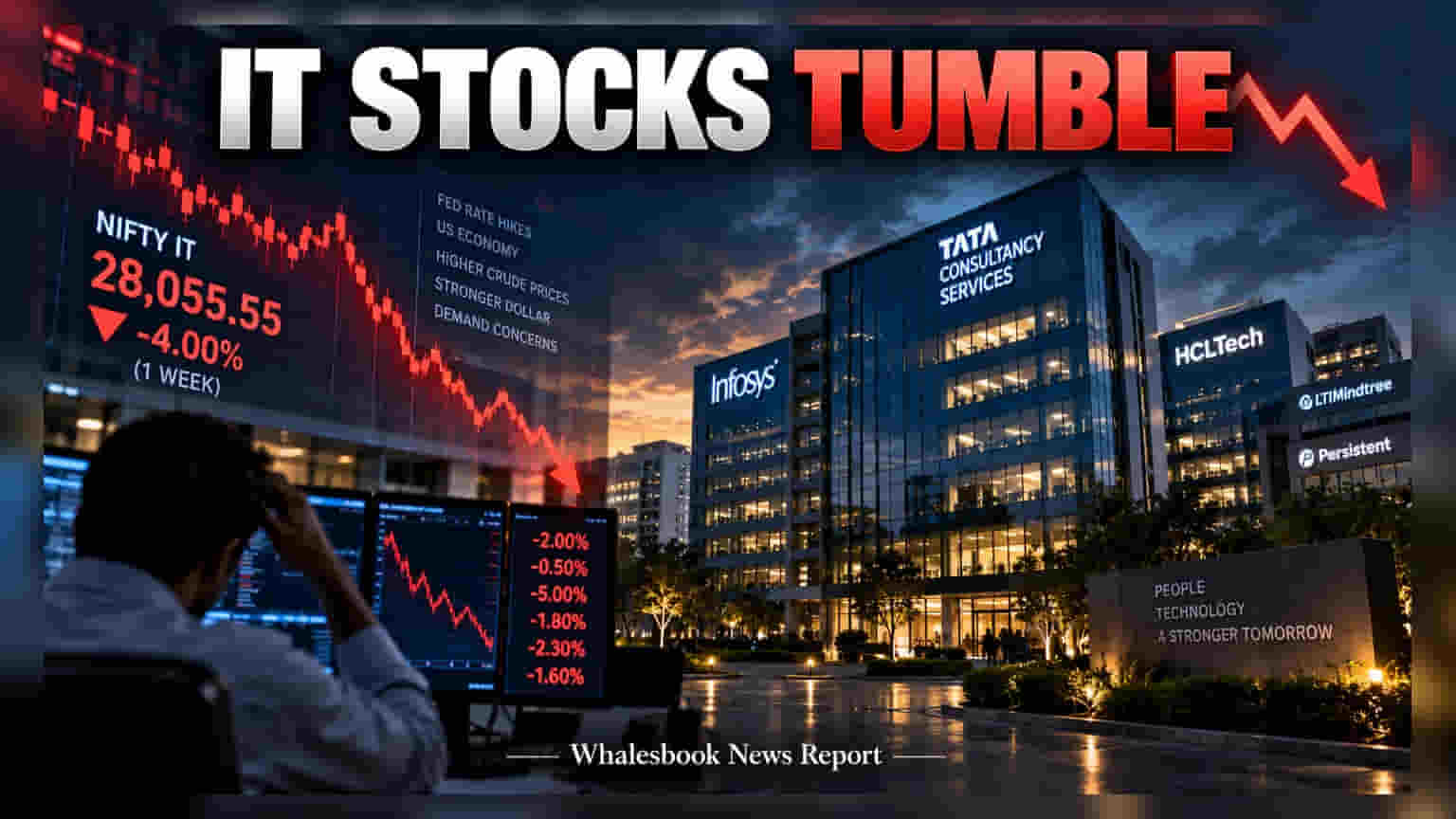
The Nifty IT index dropped for the sixth consecutive session, falling 0.6% as concerns over potential US interest rate hikes and high inflation hit tech stocks. Oracle Financial Services Software shares led the losses following news of a force majeure event in its US project.
The Indian IT sector continued to face selling pressure on September 25, with the Nifty IT index closing at 28,055.55, marking its sixth consecutive day of losses. The index has declined by approximately 4% over the past week as investors react to shifting economic signals from the United States.
Impact of US Interest Rate Fears
Global market sentiment remains focused on the trajectory of US interest rates. Comments from Federal Reserve officials regarding the potential for further monetary tightening to control inflation have caused a shift in expectations. With CME FedWatch data indicating a 69% probability of another rate increase in October, investors are worried about how this could impact demand for IT services.
Indian IT companies derive a significant portion of their revenue from US-based clients. When interest rates stay high, there is a risk that corporate clients in the US may tighten their budgets and reduce spending on technology and software services. This concern, combined with the rise in crude oil prices to over $100 per barrel and a stronger US dollar, has created a cautious environment for the sector.
Operational Risks and Stock Performance
Large-cap companies saw notable declines during the session. Infosys shares fell 2%, and Tata Consultancy Services dipped 0.5%, contributing to the downward pressure on the broader market.
Oracle Financial Services Software (OFSS) experienced a steeper decline, falling 5%. This drop followed reports that its parent entity has triggered a force majeure clause regarding a data center project in New Mexico. In legal and business terms, a force majeure clause allows a company to pause or suspend its obligations under a contract due to unavoidable or unexpected events, in this case, delays in power infrastructure. Such operational delays are often viewed by investors as a risk to timely revenue recognition and project completion, which explains the sharp reaction in the stock price.
While the sector faced broad selling, a few companies managed to buck the trend. HCL Technologies, LTIMindtree, and Persistent Systems traded in positive territory, suggesting that while the macro environment remains challenging, individual company performance and specific order pipelines continue to influence investor sentiment.
What Investors Should Monitor
Investors are likely to track future updates from the US Federal Reserve regarding interest rate decisions, as these will directly influence corporate IT spending budgets. Additionally, the ability of companies to maintain profit margins despite rising costs and potential demand fluctuations will be a key factor in the coming months. For companies like OFSS, the resolution of project delays and clarity on the force majeure event will remain essential monitorables for shareholders.