

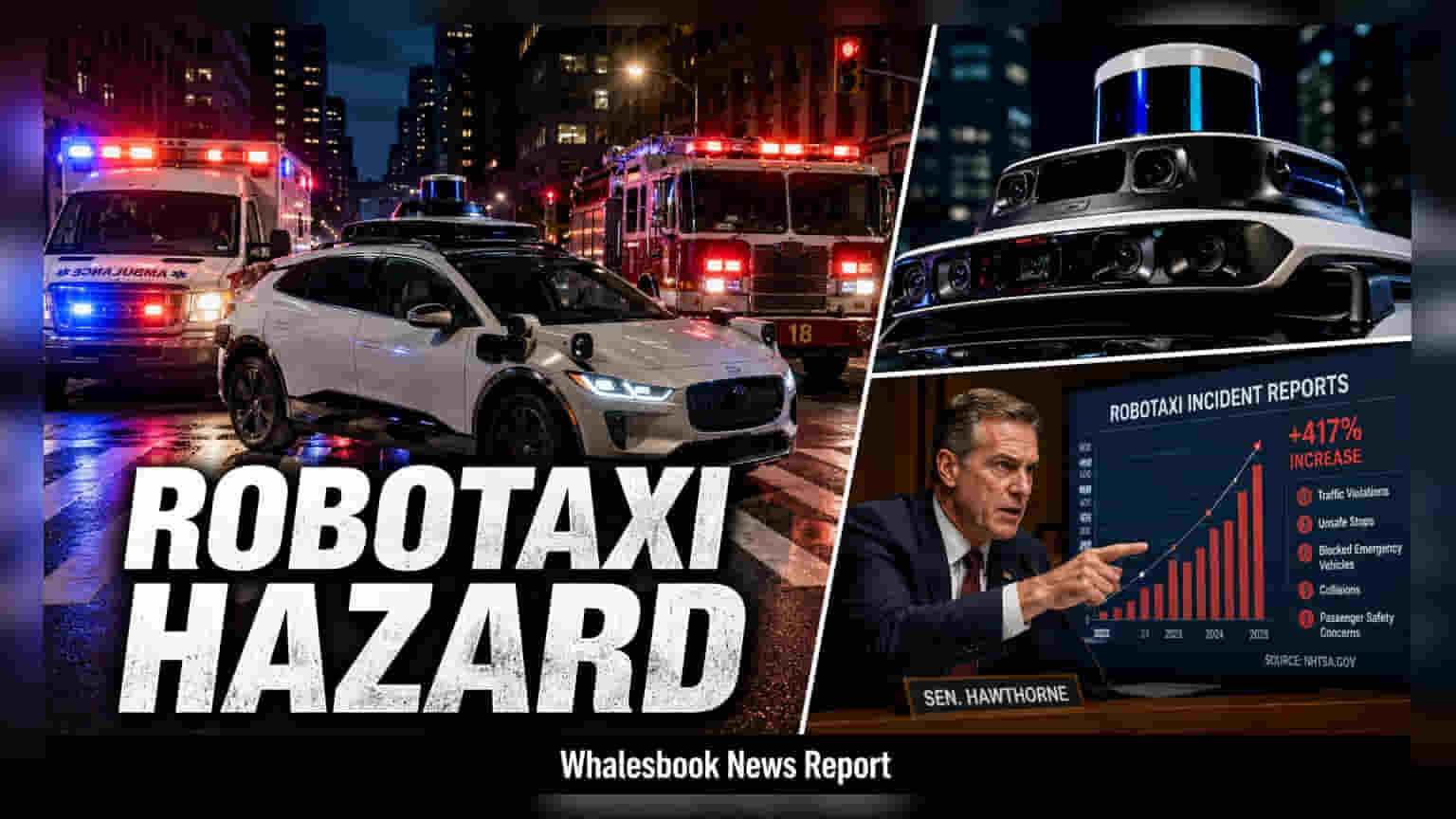
US lawmakers have introduced the AV Emergency Response Coordination Act to set national safety standards for autonomous vehicle operators. The move follows repeated incidents where robotaxis blocked emergency vehicles and interfered with law enforcement. Investors should track how potential new geofencing and communication mandates could impact the operational costs and deployment speed for companies like Waymo.
A new legislative push in the United States aims to bring tighter federal oversight to the autonomous vehicle (AV) sector. Representative Kevin Mullin has introduced the AV Emergency Response Coordination Act, which seeks to establish national safety standards for how self-driving vehicles interact with first responders. This proposal follows a documented series of incidents in cities like San Francisco, where robotaxis have obstructed fire trucks, blocked ambulances, and interfered with active crime scenes, causing significant concern among local public safety officials.
Proposed Federal Safety Guidelines
The legislation targets specific operational gaps that have allowed AVs to disrupt emergency services. If passed, the act would require AV operators to implement clear, standardized emergency protocols. Key provisions include the creation of a 24-hour direct hotline for public officials to communicate with AV companies and a mandate for the National Highway Traffic Safety Administration (NHTSA) to develop consistent national standards for vehicle behavior during emergencies.
A notable part of the bill is the proposal to allow public officials to implement geofencing. This would enable authorities to restrict autonomous vehicle operations in specific city zones during emergencies or when safety hazards are present. For the industry, this could represent a shift toward more restrictive operational environments compared to the current, more open testing models.
Regulatory Pressure and Industry Response
The legislative effort runs parallel to growing scrutiny from federal regulators. In July 2026, the NHTSA formally notified AV developers of a recurring pattern of driverless vehicles interfering with law enforcement and emergency services, demanding proactive solutions. Local government officials, including San Francisco Mayor Daniel Lurie, have also pressured state and federal regulators to prioritize the ability of fire and police departments to navigate city streets without obstruction.
Waymo, a major player in the AV space, has publicly stated its support for a federal framework that standardizes engagement with first responders. The company maintains that its current protocols and ongoing training with safety personnel are already critical parts of its operations. Industry analysts generally note that while clear federal guidelines could provide much-needed consistency for developers, they may also introduce new compliance requirements that could increase operational costs or necessitate software updates across existing fleets.
Investor Monitorables
For investors, the key monitorable is the potential impact of these regulations on the speed of fleet scaling and operational freedom. If federal mandates lead to frequent or large-scale geofencing requirements, it could affect the utilization rates of robotaxi fleets in urban centers. Furthermore, the industry will be watching to see if this federal bill gains traction or if it leads to a fragmented landscape of state-level regulations. The final impact on company profitability will depend on the compliance costs associated with new safety hardware or software that may be required to meet these federal emergency response standards.