 Whalesbook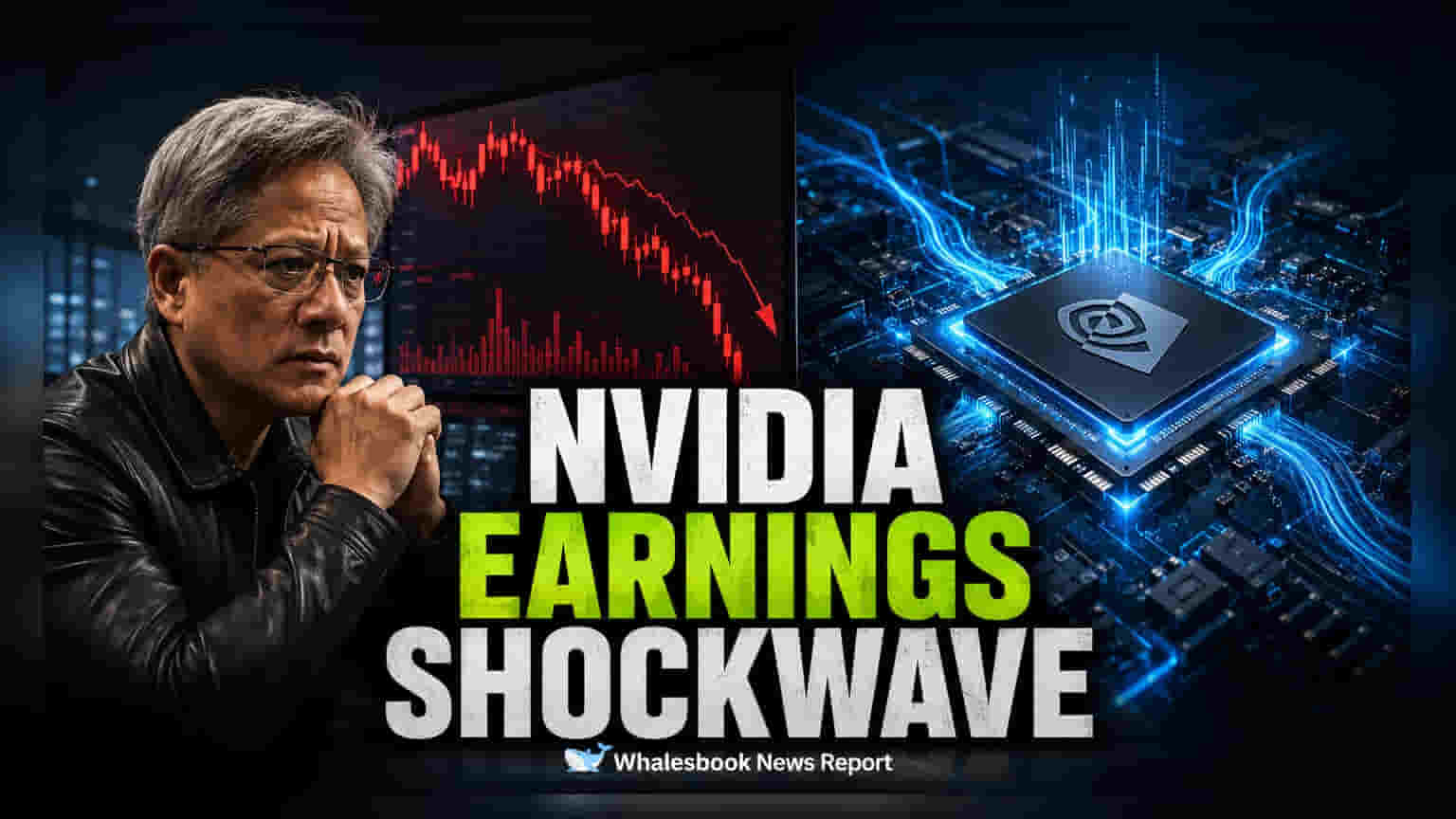


NVIDIA Corporation, a major player in the semiconductor industry, is about to announce its first-quarter financial results, which will be a key indicator of the ongoing growth in artificial intelligence infrastructure.
Margin Resilience Tested
Analysts expect NVIDIA to report substantial revenue growth, possibly nearing $79 billion, an increase of about 80% from the previous year. This follows a strong previous quarter where revenue reached $68.1 billion. The main focus for investors is whether NVIDIA can keep its high gross and operating margins. These margins are crucial for its valuation but are being challenged by increasing component costs and growing competition from rivals like AMD and Intel, who are developing their own AI chips. A drop in margins, even with revenue growth, would signal trouble for the stock.
Valuation and Yield Concerns
NVIDIA's stock has seen significant gains, rising 68% in the past year, far outperforming the Nasdaq-100's 35% increase. However, its high price-to-earnings ratio, estimated between 40 and 45, presents a considerable valuation challenge. This premium valuation is under pressure from persistently high U.S. Treasury yields, with the 10-year rate near 16-month highs and the 30-year yield approaching levels not seen in nearly two decades. Higher bond yields reduce the current value of future earnings for growth stocks like NVIDIA, potentially affecting its stock price. Recent earnings from tech giants like Microsoft, Meta, Alphabet, and Amazon have confirmed ongoing investments in AI, but questions about the long-term sustainability of this spending make NVIDIA's outlook critical.
Risks to Consider
Beyond revenue figures, several factors raise concerns. The semiconductor industry is cyclical and requires significant capital investment. Competitors are actively launching new products; AMD has introduced new offerings, and Intel is making strategic changes, intensifying the competitive landscape. NVIDIA's ability to withstand potential supply chain issues or geopolitical events also remains a risk. Historically, periods of rapidly rising yields have led to stock market corrections for high-growth tech companies. NVIDIA's stock has historically reacted strongly to earnings reports during similar economic conditions, particularly to any signs of slowing demand or falling margins. As the broader market relies heavily on AI stocks, any disappointment from NVIDIA could negatively impact major indices like the S&P 500 and Nasdaq Composite.
Future Outlook and Market Sentiment
NVIDIA's upcoming earnings report and, more importantly, its future guidance will significantly influence market sentiment. Investors will closely watch management's comments on demand across different business segments, inventory levels, and their predictions for the coming quarters. Any indication of slower AI spending or increased price competition could lead to a reassessment of the company's growth prospects and its stock valuation. The market is highly sensitive to this report, and NVIDIA's stock showed modest gains in premarket trading.