

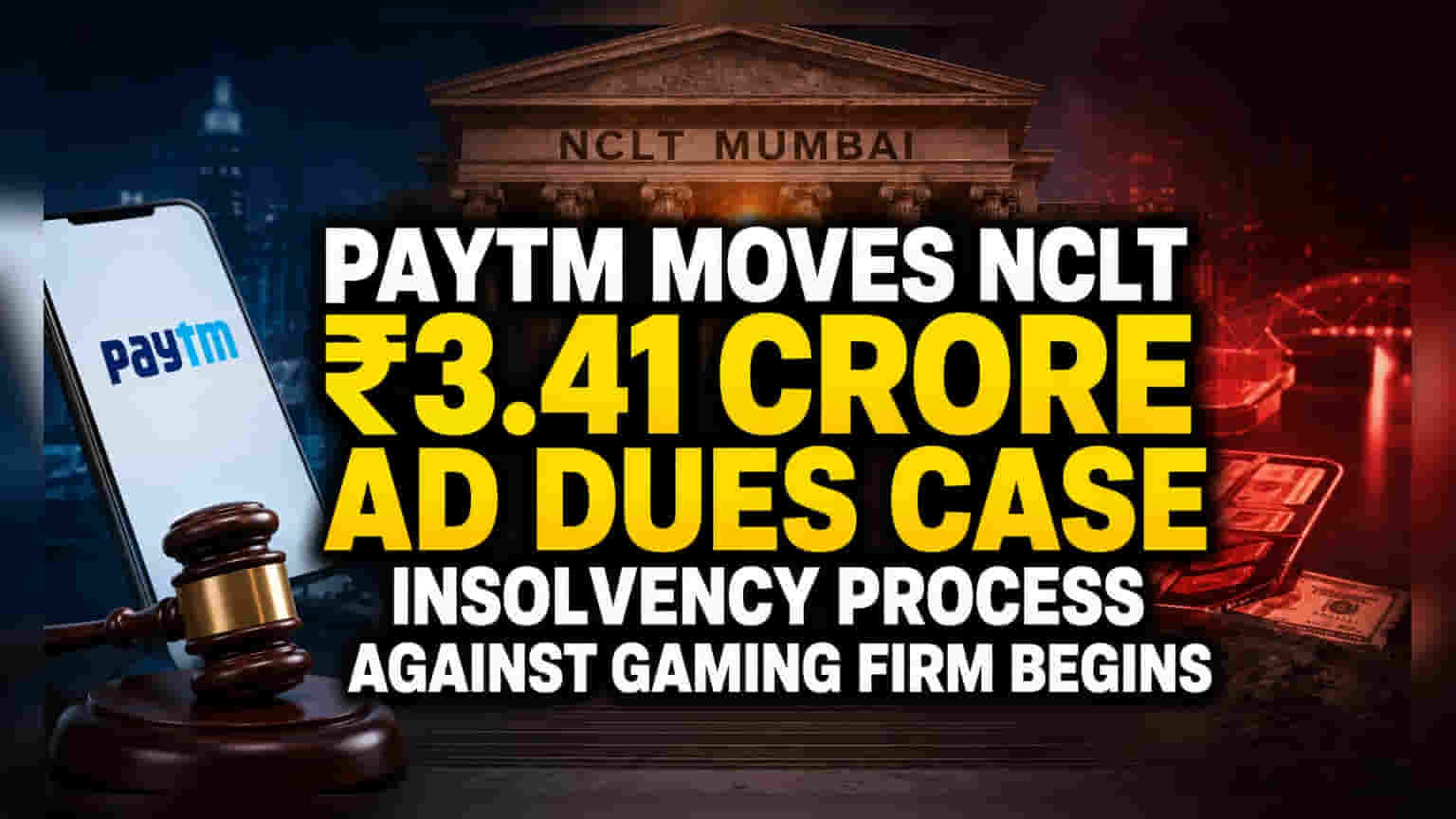
The NCLT Mumbai has initiated the corporate insolvency process against Fabzen Technologies, the maker of Ludo Empire, over ₹3.41 crore in unpaid advertising dues to One97 Communications. The tribunal rejected Fabzen's defense regarding new gaming regulations, noting the debt occurred before the law took effect. This case underscores the ongoing regulatory and legal challenges within the online gaming sector.
What Happened
The National Company Law Tribunal (NCLT) Mumbai has admitted an insolvency petition filed by One97 Communications Ltd (Paytm) against Fabzen Technologies Pvt Ltd. The case centers on ₹3.41 crore in unpaid dues for digital advertising services that One97 provided to the gaming company. By admitting the petition, the tribunal has officially started the Corporate Insolvency Resolution Process (CIRP) against Fabzen Technologies.
The Ad Dues Dispute
One97 Communications initiated the legal process under the Insolvency and Bankruptcy Code (IBC) after Fabzen failed to clear invoices related to in-app advertising campaigns. These campaigns began in October 2024. According to the filings, there was a 60-day credit period for these payments. Despite repeated follow-ups, the payments remained outstanding. One97 Communications presented evidence to the tribunal showing that Fabzen had previously acknowledged the debt and had even proposed a repayment schedule over 12 months, which remained unfulfilled.
Why The Gaming Law Defense Failed
Fabzen Technologies attempted to challenge the petition by arguing that the advertising contract had become invalid due to the Promotion and Regulation of Online Gaming Act, 2025. The gaming firm claimed this new legislation changed the commercial basis of their business, effectively terminating the contract.
However, the NCLT bench rejected this argument. The tribunal noted that the payment default occurred on January 7, 2025, which was several months before the Gaming Act was passed in August 2025. Because laws typically apply forward (prospectively) and not backward, the tribunal ruled that the debt was already due and payable before the legislation came into effect. This rejection highlights how tribunals are differentiating between contractual obligations and changes in sector-specific regulations.
Business And Investor Context
For investors, this case provides a look at how One97 Communications manages its B2B receivables and uses legal channels to recover outstanding dues. While the amount of ₹3.41 crore is relatively small compared to the scale of a large company, it demonstrates a strict approach to credit recovery.
Additionally, the case highlights the risks inherent in the online gaming sector. Companies in this space are dealing with a rapidly evolving regulatory environment, as seen by the introduction of the 2025 Gaming Act. The fact that a gaming firm attempted to use new regulation as a shield against paying commercial dues serves as a reminder of the legal complexities and uncertainties that can impact companies operating in this sector.
What To Watch Next
The NCLT has appointed Manish Lalji Dawda as the Interim Resolution Professional (IRP) to manage Fabzen Technologies during the insolvency process. Investors and stakeholders will now watch how the resolution process unfolds, including the evaluation of the company's assets and the potential for any settlement or debt recovery. The next updates will likely involve the IRP's assessment of Fabzen's financial position and the next steps for creditor claims.