

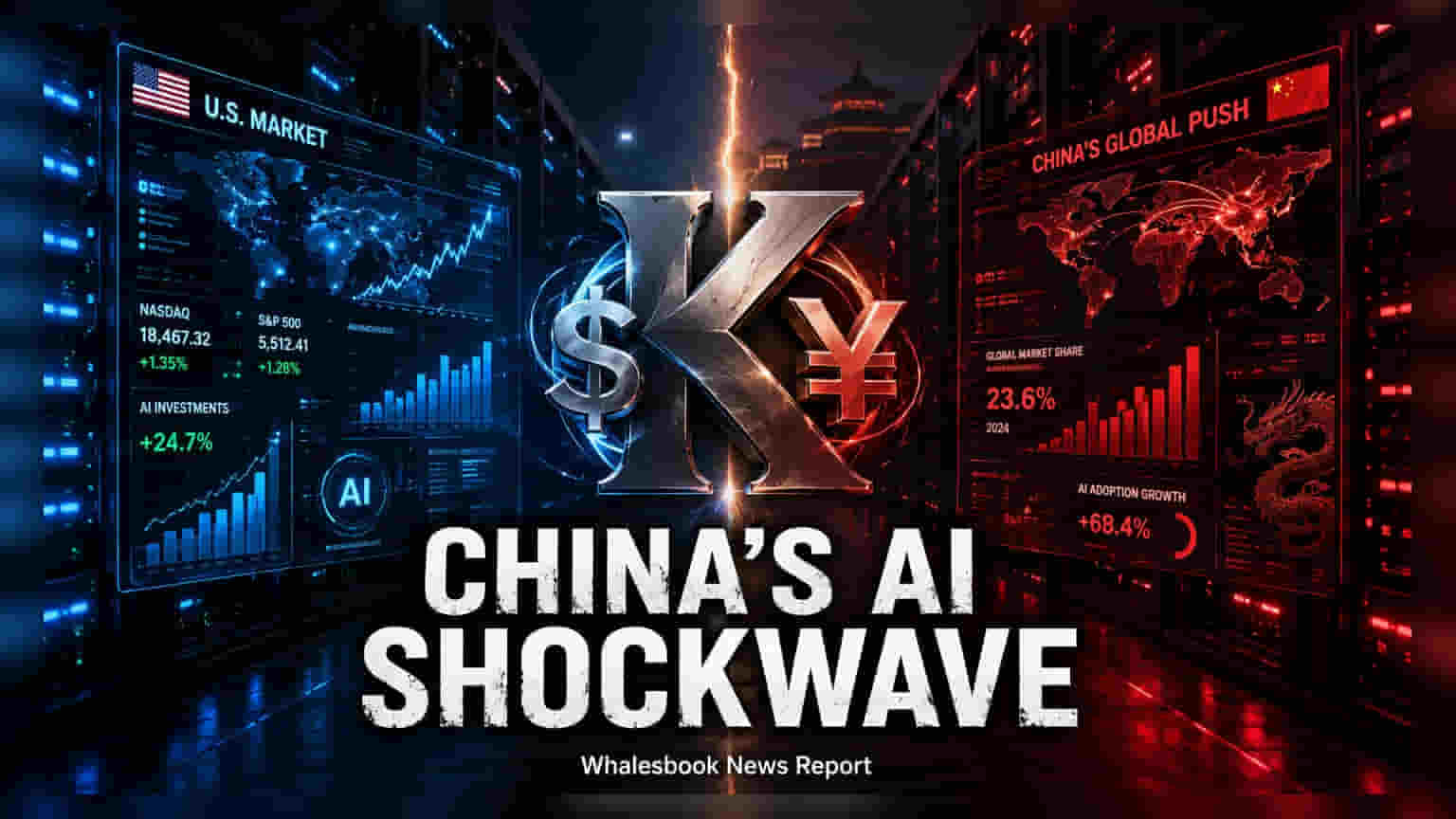
Chinese firm Moonshot AI’s Kimi K3 model is now matching top American AI tools in coding performance at a much lower cost. This shift signals a potential price war in the artificial intelligence sector, forcing Indian businesses and policymakers to reconsider their reliance on expensive Western technology.
Detailed Coverage
The emergence of the Kimi K3 model from Beijing-based Moonshot AI marks a notable shift in the global artificial intelligence sector. Recent performance data shows the model successfully competing with top-tier American counterparts, particularly in tasks like code writing and technical review. While U.S.-based frontier models have historically held a lead in broad metrics, the Kimi K3 model has already outscored significant Western offerings on the Frontend Code Arena benchmark. This development follows similar breakthroughs from other Chinese firms such as DeepSeek, Alibaba, and ByteDance, which are increasingly releasing high-performance AI tools.
Economic Impact and Pricing Pressures
The most critical change for global markets is not just performance, but pricing. American frontier AI models have traditionally commanded steep fees. In contrast, Moonshot AI is offering its capabilities at near-cost levels. This move reflects a broader trend where advanced AI is rapidly transitioning from a high-cost luxury to a commoditized service. Just as the cost of electricity or basic industrial materials eventually dropped to fuel widespread economic growth, AI costs are facing a downward trajectory that may be difficult for Western providers to reverse.
Challenges for Indian Businesses
For Indian enterprises, this technological shift presents a complex trade-off. Currently, the Indian AI ecosystem largely relies on renting intelligence from major global players rather than producing it domestically. The availability of low-cost, downloadable models from China offers a tempting way to lower operating expenses for companies looking to integrate AI quickly. However, this creates a potential long-term risk. Relying on foreign-origin pipelines—whether American or Chinese—makes Indian adoption strategies vulnerable to sudden changes in export controls, geopolitical tensions, or shifting industrial policies.
Strategic Need for Sovereign Infrastructure
Indian policymakers and corporate leaders are now evaluating the need for sovereign compute and domestic model training as critical infrastructure. There is a growing consensus that simply fine-tuning foreign-made AI models is not a sustainable path for a large digital economy. Instead, investing in domestic research and compute capacity is viewed as essential to ensure that Indian firms remain competitive without becoming overly dependent on foreign governments. As global authorities in Washington and Beijing react to these shifts—with the U.S. Commerce Department reportedly considering tighter restrictions on Chinese labs—the long-term focus for India will likely move toward building self-reliant AI tools. Investors and industry participants will monitor whether domestic funding for AI infrastructure increases to move the country beyond a renter-consumer model.