

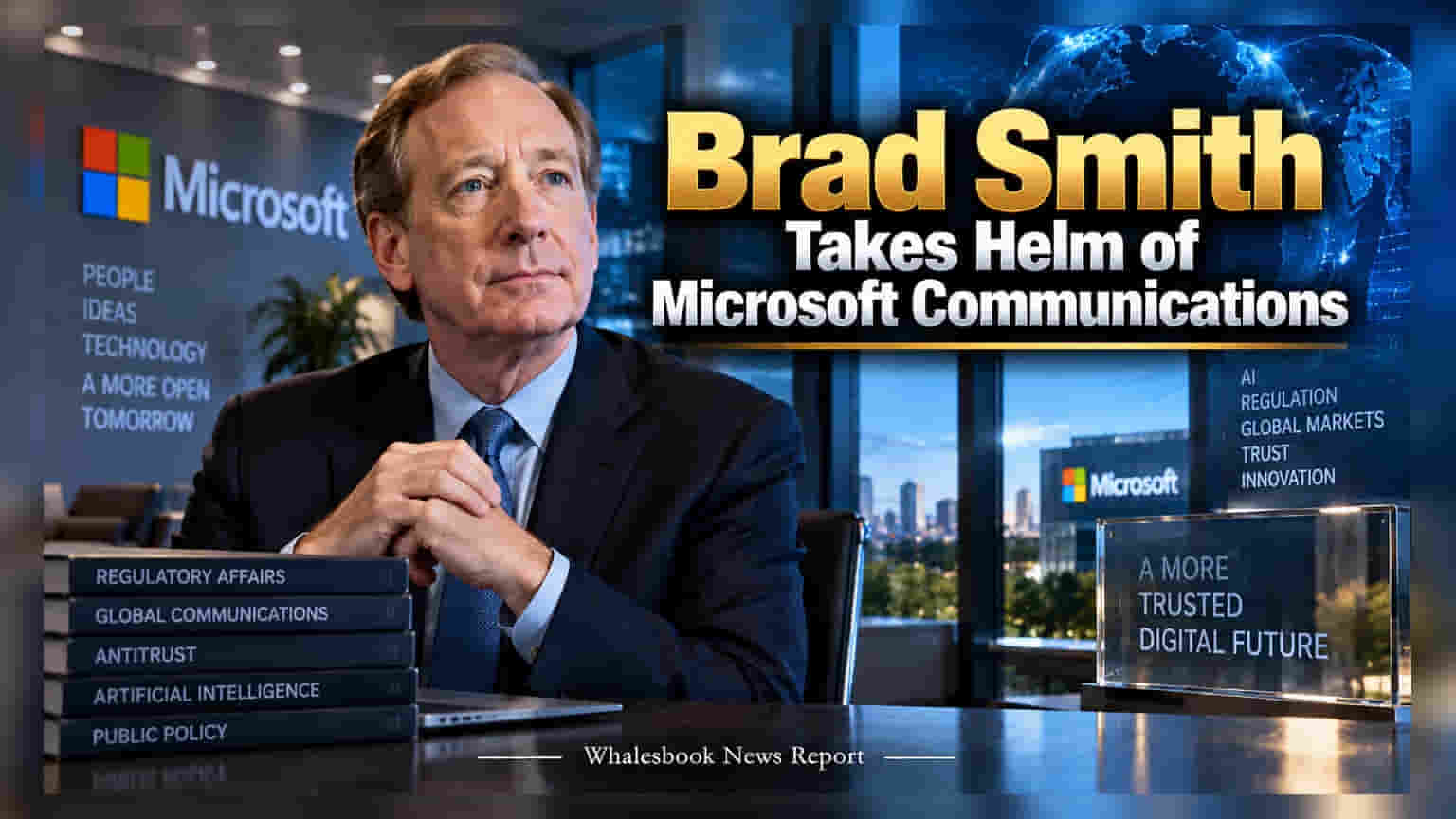
Microsoft has appointed President Brad Smith to oversee global communications, integrating the firm's public policy strategy with corporate messaging. This move highlights the tech giant's focus on managing mounting regulatory pressure surrounding artificial intelligence. Investors may track how this alignment helps the company navigate global antitrust investigations and policy debates.
Microsoft has placed President Brad Smith in charge of its global communications strategy, signaling a deeper integration between the company's public messaging and its regulatory affairs. Smith, a veteran who has been with Microsoft since 1993, previously served as the firm’s general counsel and chief legal officer. By moving him into this role, Microsoft is centralizing its voice on the global stage, particularly as it faces increasing scrutiny over its rapid expansion into artificial intelligence and cloud computing.
Prioritizing Regulatory Strategy
For investors, this leadership change emphasizes how central regulatory risk has become to Microsoft's business model. As the company continues to deploy artificial intelligence products across its ecosystem, it faces growing pressure from regulators in the U.S., Europe, and other markets regarding data privacy, competition, and market dominance. By aligning the communications department directly under a seasoned policy expert, Microsoft is looking to ensure that its public stance is consistently linked to its legal and policy defenses. This approach may help the company manage external narratives during intense government inquiries or antitrust disputes.
Managing AI-Related Risks
Artificial intelligence has created a complex web of legal and public opinion challenges for the world's largest technology companies. Microsoft’s reliance on OpenAI and its own internal AI product development places it at the forefront of these debates. The company’s move to have a diplomat with a long history in legal battles manage its public reputation suggests a protective posture. Investors often view the ability to manage regulatory headwinds as a key indicator of long-term operational stability. A unified communication strategy is often an attempt to preemptively address concerns from governments and competitors before they escalate into significant financial or operational penalties.
Transition and Next Steps
While the company works on its long-term structure, Brent Colburn, the vice president for global public affairs, will manage the department as the interim lead. The key monitorable for investors will be how effectively this unified leadership manages communication during future regulatory reviews. While this organizational change does not directly affect revenue or product demand, it reflects management's awareness of the external risks that could potentially slow down or restrict the company's growth in the artificial intelligence sector. Shareholders may watch for any shifts in how the company responds to upcoming policy debates or international antitrust proceedings as a result of this new focus.