

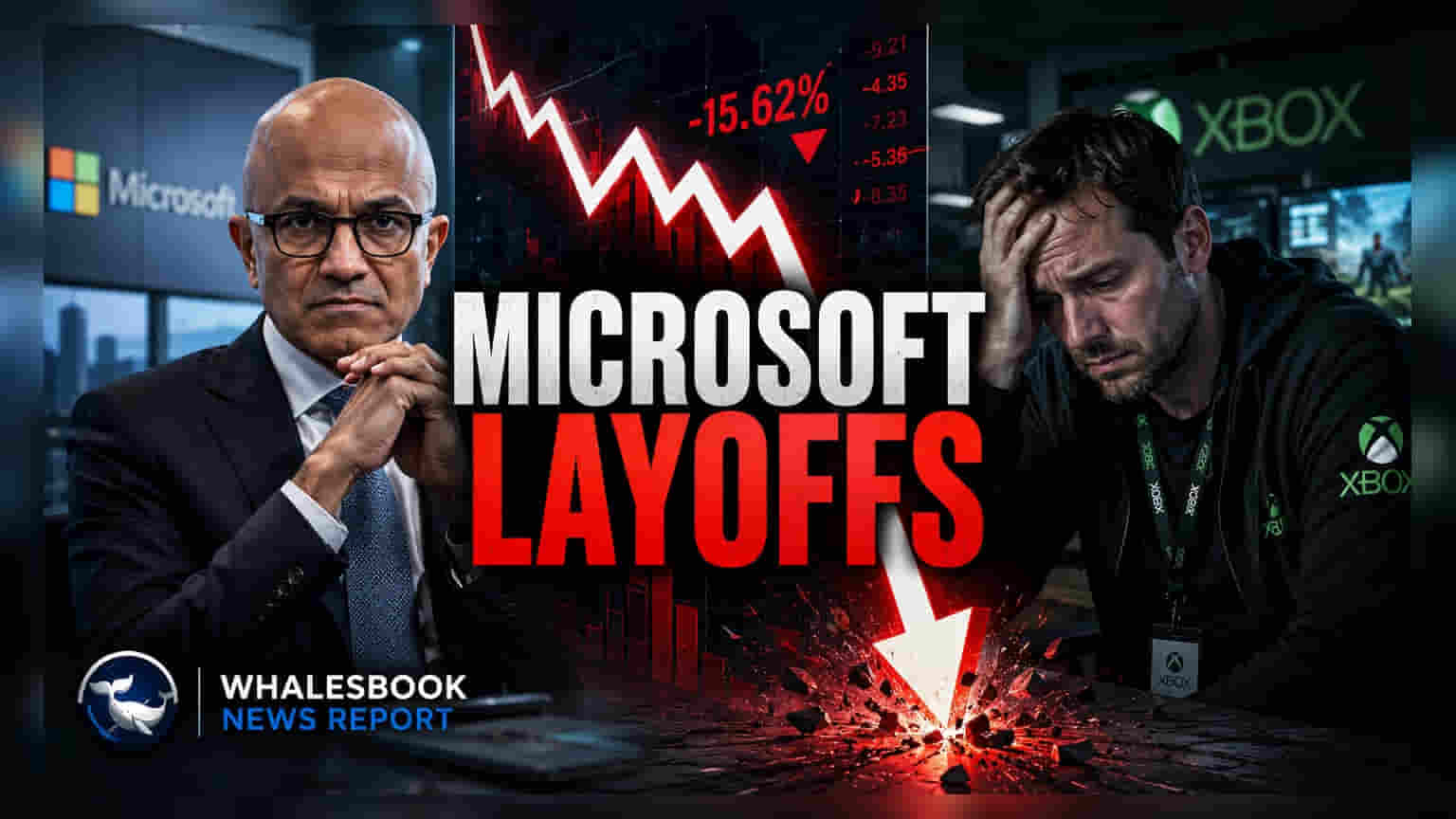
Microsoft is laying off 4,800 employees, with the Xbox division bearing the brunt by cutting 3,200 roles. This restructuring follows reports of significant financial pressure in the gaming unit, which is now looking to streamline operations and shift focus toward artificial intelligence investments.
Microsoft has confirmed a global restructuring plan involving the reduction of 4,800 roles, approximately 2.1% of its total workforce. The gaming division, Xbox, is the primary focus of this change, with 3,200 employees—nearly 20% of the unit’s staff—being let go as the company attempts to correct its financial trajectory.
Financial Challenges in the Gaming Unit
In a communication to staff, Xbox leadership highlighted that the division is facing significant financial pressure. The unit has reportedly been operating at margins well below industry standards for platform and publishing businesses. According to statements from the Xbox leadership, for every dollar invested into the business, the unit has been losing 64 cents. This imbalance has prompted a immediate strategic reset, which includes the decision to divest four gaming studios and reduce vendor spending within the division by 50%.
Operational Overhaul and AI Focus
Beyond the reduction in headcount, Microsoft is implementing a major change to its management structure. The company plans to flatten its hierarchy, moving from a system that had up to 14 management layers to a maximum of five, with some areas operating with only three. This move is designed to increase efficiency and speed up decision-making. These changes are part of a broader corporate realignment as Microsoft shifts its capital and focus toward artificial intelligence, which the company views as a primary growth driver.
Future Outlook and Next Steps
While this restructuring is significant, leadership has indicated that more changes may follow in other parts of the organization. The company has clarified that these specific job cuts are not a direct replacement of human labor by artificial intelligence, though it maintains that the adoption of automated tools for routine tasks will require staff to develop new skills. Investors will now be looking to upcoming quarterly financial filings to see the impact of these cost-saving measures on the company’s operating margins. The key monitorable for the gaming business remains its ability to stabilize profitability following the divestment of the four studios and the planned reduction in operational spending.