

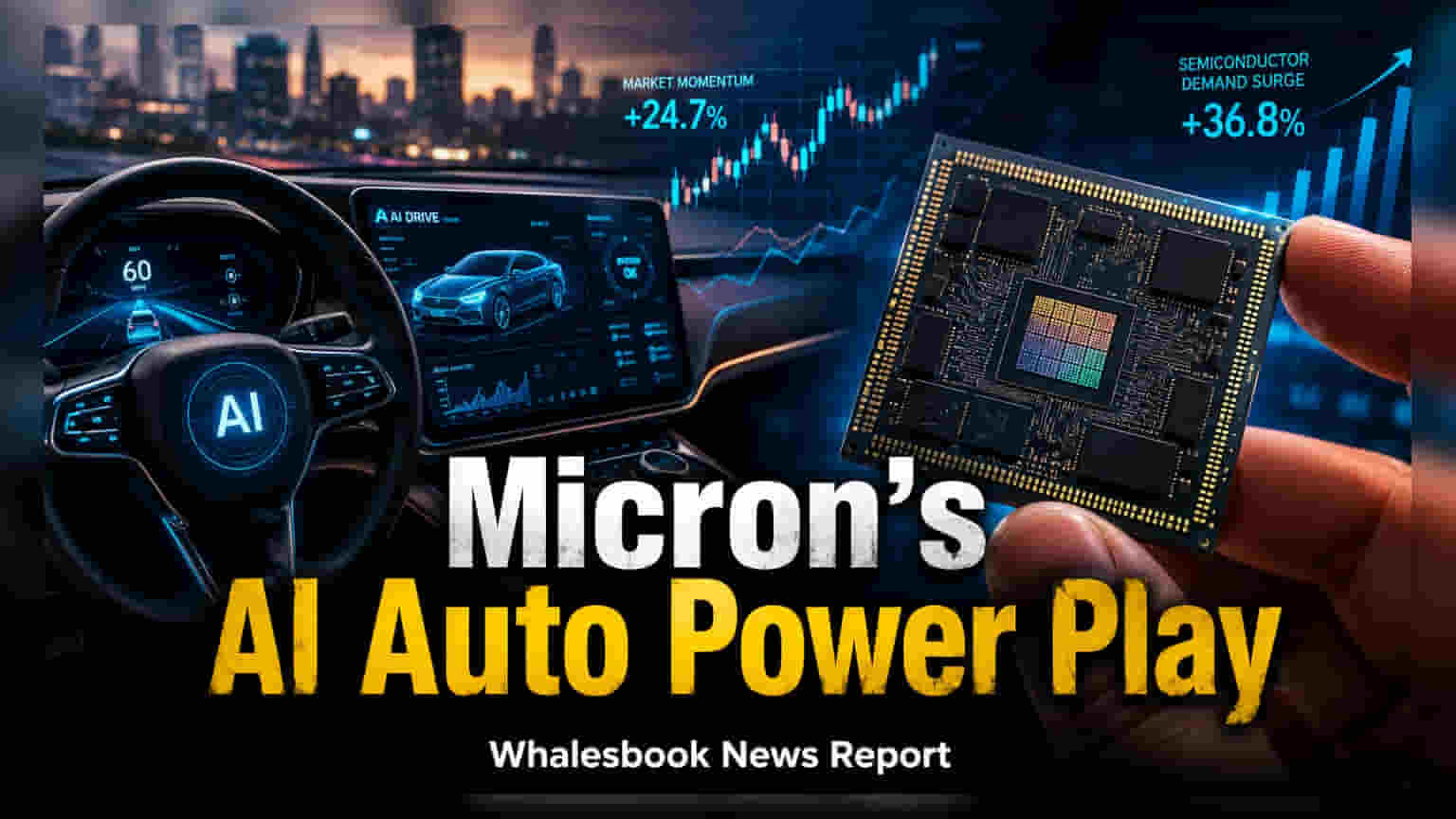
Micron Technology has signed long-term agreements to supply memory and storage chips to major automotive partners including Qualcomm, Harman, and Hyundai Mobis. These deals aim to secure a stable supply chain for AI-enabled vehicle systems as demand for high-performance memory grows in the automotive sector.
Micron Technology has entered into multiple long-term strategic agreements with major automotive suppliers to provide the memory and storage components necessary for artificial intelligence in modern vehicles. The partners involved in these agreements include Qualcomm, Harman, Visteon, JOYNEXT, DENSO, Astemo, and Hyundai Mobis. These components are essential for powering sophisticated automotive features such as advanced driver-assistance systems and digital cockpits, which require significant data processing capabilities.
Strategic Importance of Automotive Partnerships
The shift toward software-defined vehicles is increasing the need for high-performance memory solutions. By finalizing these long-term contracts, Micron and its partners aim to create a predictable environment for both supply and pricing. This stability allows automakers to plan production cycles and commit to long-term investments in vehicle platforms without the risks associated with sudden supply shortages or price volatility. The agreements align with Micron's strategy to expand its reach beyond traditional data centers and consumer electronics into the high-growth automotive and robotics markets.
Memory Market Context and Competition
Micron currently holds a specific market position as the only U.S.-based manufacturer of high-bandwidth memory chips that are compatible with Nvidia’s AI processors. This technology is a critical piece of the infrastructure supporting AI growth globally. The current market environment is characterized by high demand, which has allowed major memory manufacturers including South Korea’s SK Hynix and Samsung Electronics to maintain stronger pricing power compared to previous years. For investors, the ability to secure these long-term agreements is a way for Micron to lock in market share against these global competitors.
Risks and Future Monitorables
While these agreements provide revenue visibility, the semiconductor sector remains subject to cyclical demand and intense global competition. The primary risks for the company include potential changes in automotive production schedules, which could affect the timing of chip shipments, and the ongoing pressure to maintain high utilization rates in manufacturing facilities. Furthermore, because these chips are specialized, any delays in the development of next-generation vehicle platforms could impact the pace at which these products are deployed. Investors will likely track the company's future quarterly updates for details on order fulfillment rates, the impact of these deals on profit margins, and any further expansions in strategic partnerships as the industry continues to integrate AI into automotive technology.