

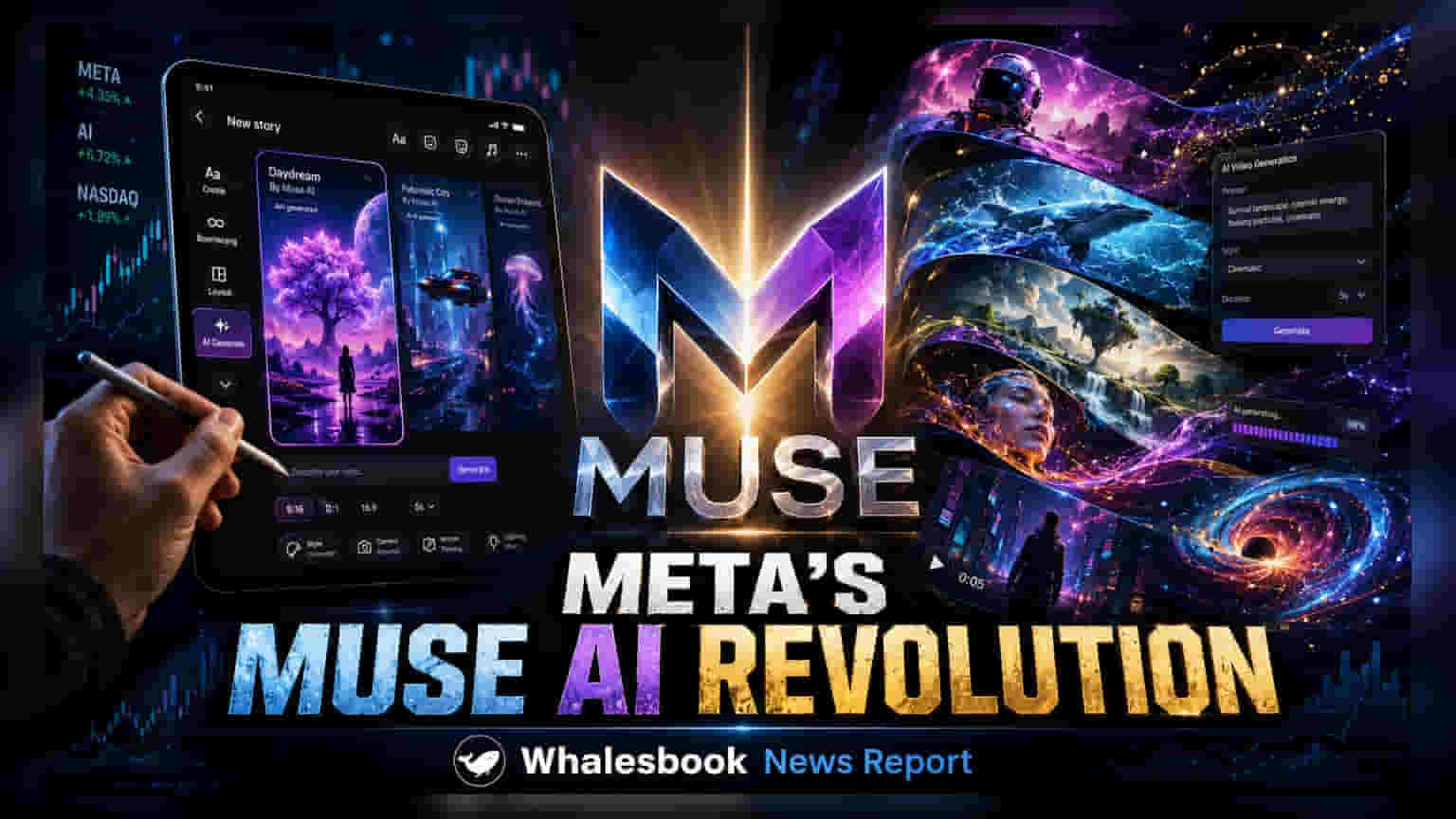
Meta has introduced Muse Image, its new media-generation tool designed to act as a creative partner within Instagram and WhatsApp. This launch marks a shift in Meta's consumer AI strategy as it looks to compete with OpenAI and Google by embedding AI features directly into its social media ecosystem.
Meta has officially unveiled Muse Image, the first media-generation model developed by its Meta Superintelligence Labs. This move is part of a broader strategy to make artificial intelligence a central feature of its popular applications, including Instagram, WhatsApp, Facebook, and Messenger. Unlike standard AI tools that simply follow basic commands, Meta has designed Muse Image to function as a collaborative creative partner. It allows users to interpret complex prompts, edit photos with precision, and combine multiple reference images into new content.
User Features and Ecosystem Integration
The new tool offers several interactive capabilities for users. Beyond simple text-to-image generation, it allows individuals to sketch directly on images, upload multiple reference photos, and use natural language to request specific edits. A notable feature is the integration with Instagram, where users can tag accounts using the familiar @mention format to pull in specific content for AI creations. These tools are being rolled out through Meta AI and will power over 30 new AI-driven effects for Instagram Stories. By enabling image generation directly within chats and facilitating easy sharing across its messaging platforms, Meta aims to increase user engagement through native content creation.
Competitive Positioning in AI
This launch marks a distinct branding shift, as Meta moves its consumer-facing AI products away from the Llama name toward the new Muse family. The company also provided an early look at Muse Video, which is designed to generate videos from text and image prompts with native audio support. While Meta has not yet announced a release date for the video tool, it reflects the company’s focus on the multimodal AI space.
Meta is currently competing with major technology firms like OpenAI and Google. While industry evaluations suggest Muse Image is performing competitively against Google's latest image models, OpenAI remains a leader in many standard benchmarks. For investors, the long-term success of these tools will depend on Meta's ability to drive higher user engagement and retention across its massive social media user base. Increased time spent on apps like Instagram and WhatsApp is a key metric for Meta, as it directly impacts advertising potential.
Monitoring Future Developments
The next important steps for the company will be the full-scale rollout of Muse Image to its global user base and the eventual launch timeline for the Muse Video model. Investors may also track how these AI features influence user activity and whether the additional costs of developing and running these high-end AI models affect Meta's operating margins. Since the technology sector is highly dynamic, the ability to maintain a performance edge over competitors while managing the infrastructure costs of these AI services will be a primary factor for the company's financial health in the coming quarters.