

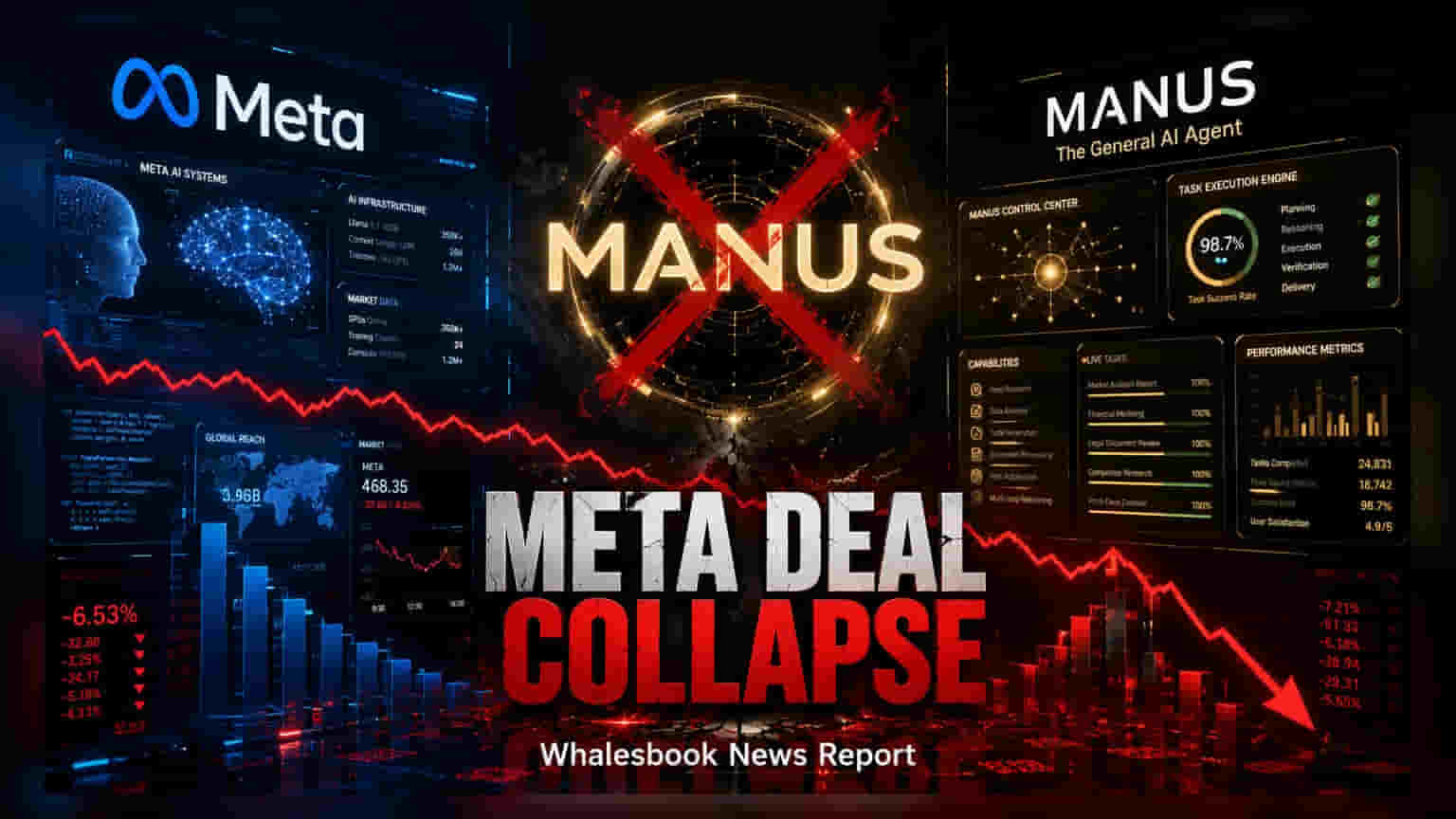
AI startup Manus is resuming independent operations following the forced breakup of its deal with Meta Platforms. China’s National Development and Reform Commission (NDRC) mandated the divestment, citing national security concerns. The separation creates significant uncertainty regarding data and future ownership, as global investors reassess the risks of cross-border AI investments involving Chinese assets.
Manus confirmed on August 11, 2026, that it is splitting from Meta Platforms, marking the end of an acquisition originally valued at over $2 billion in December 2025. This separation follows an April 2026 directive from China’s National Development and Reform Commission (NDRC), which ordered the reversal of the deal. Regulators cited national security concerns regarding the transfer of AI talent, intellectual property, and data to a U.S.-based entity.
The move has immediate operational consequences for the startup's user base. Manus announced that all data generated on or after December 29, 2025, is scheduled for deletion starting August 23, 2026. This data purge is a direct result of the regulatory requirement to fully disconnect the startup’s systems from Meta’s infrastructure. The company has stated that affected users will be notified with options to back up their information before the deadline.
For investors and market observers, this situation highlights the rising geopolitical risk, often called "unwind risk," in cross-border AI investments. Regulators are increasingly scrutinizing how foreign companies acquire startups with deep roots in China. The Manus case suggests that authorities are willing to intervene even after a deal has been finalized, provided they identify concerns related to sensitive AI technology and national security.
To navigate these regulatory challenges, Manus has been working to re-establish its independence. The company previously shifted its operations to Singapore, a move intended to bypass certain restrictions. Reports now indicate that the startup is in discussions with new potential backers, with Tencent rumored to be in talks to become a major shareholder of the now-standalone firm.
The key for market participants will be observing how such regulatory interventions impact the future valuation and deal structures of other AI ventures. The stability of the company, its ability to secure new funding without the backing of a large U.S. tech giant, and the impact of the data deletion on user retention are the primary factors to monitor next. This incident serves as a significant case study on how geopolitical and regulatory hurdles can fundamentally alter the growth path of technology startups.