

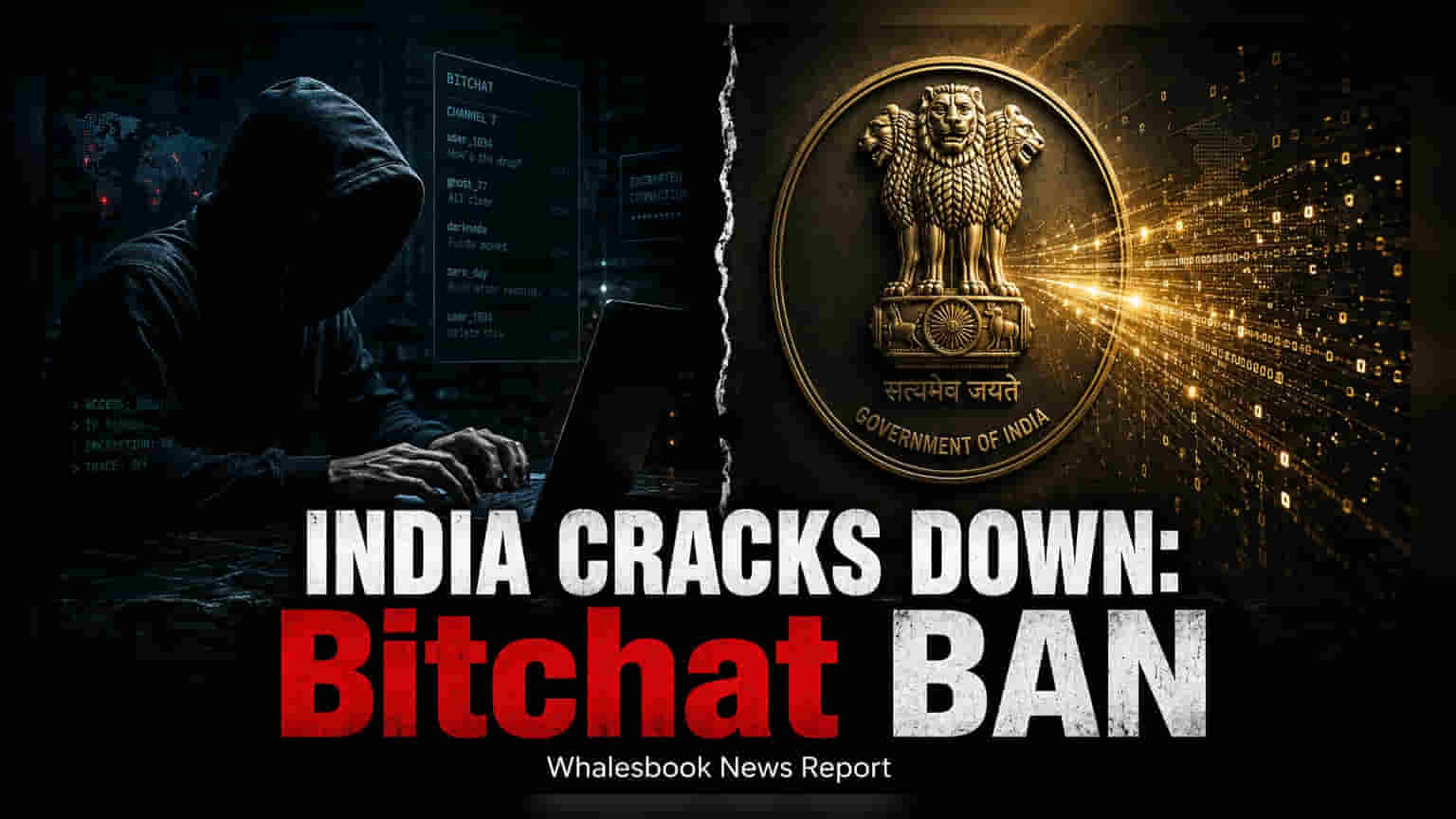
The Ministry of Home Affairs has directed GitHub to take down repositories hosting Bitchat, a decentralized messaging app. Officials cite concerns that the app’s architecture, which bypasses internet and cellular networks, hinders lawful interception by security agencies. GitHub has complied with the order, sparking discussions about the regulation of privacy-focused technologies in India.
Detailed Coverage
The Ministry of Home Affairs (MHA) has officially directed GitHub to remove all repositories associated with Bitchat, a decentralized application that facilitates messaging over Bluetooth mesh networks. The move, executed through the Indian Cyber Crime Coordination Centre (I4C), relies on provisions within the Information Technology Act, 2000.
Security Rationale and Regulatory Basis
The central government's decision stems from the app's unique technical design. Because Bitchat functions without the need for traditional internet or cellular connectivity and lacks a central server, security agencies have identified it as a potential tool for misuse by criminal elements and terrorist groups. In the government's view, the inability to perform lawful interception on such a network creates a gap in public safety, especially during sensitive periods like internet shutdowns or civil unrest where anonymous, untraceable communication could be exploited.
While GitHub has already complied with the request by removing the relevant code, the incident has highlighted the growing friction between national security requirements and the development of privacy-centric technologies. The government's actions suggest a firm stance on ensuring that digital communication tools remain within the reach of regulatory oversight, prioritizing national security over the absolute anonymity that decentralized mesh networks provide.
Privacy Implications and Technological Challenges
Legal and technology experts have expressed concerns regarding the precedent set by removing open-source code from platforms like GitHub. Critics argue that targeting the underlying technology—rather than specific criminal activities—could inadvertently limit legitimate civilian use. Such tools are often cited for their utility during emergency situations or natural disasters when traditional communication infrastructure fails.
Furthermore, independent observers suggest that blocking software on centralized platforms may have limited long-term effectiveness. Because the underlying technology is decentralized, code often remains available through alternative hosting methods or pre-existing installations, making it difficult to fully eradicate from circulation. There is a concern that such regulatory actions might push the development of these privacy-enhancing tools into unregulated, underground channels, where they lack the public scrutiny and security testing that open-source platforms typically provide.
The debate moving forward centers on whether a more proportionate regulatory framework can be developed. As device-to-device communication becomes more common, Indian authorities and technology developers will likely continue to face challenges in balancing the need for public security with the increasing global trend toward privacy-preserving and decentralized digital networks.