

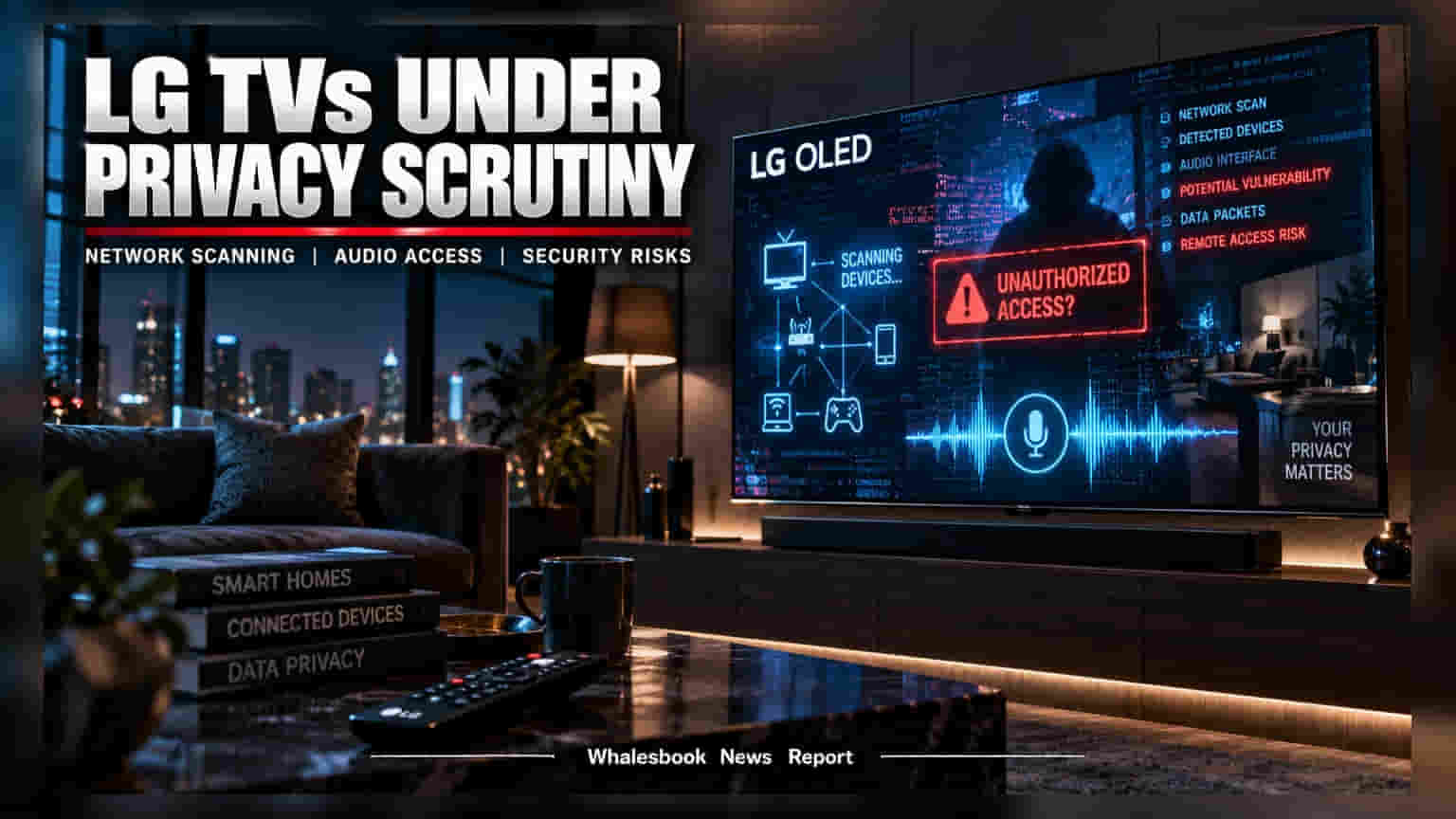
LG Electronics has dismissed reports claiming its smart TVs eavesdrop on conversations following a security study by tech researchers. While the company stated that voice features are strictly trigger-based, the findings highlighted potential vulnerabilities in its webOS. Investors may monitor potential regulatory impact or reputational risks to the company’s smart TV advertising ecosystem.
LG Electronics is facing scrutiny after a collaborative investigation by researchers from Gamers Nexus and Level1Techs alleged that the company’s smart televisions engaged in unauthorized network scanning and contained security vulnerabilities. The investigative report, which utilized network packet analysis, claimed that LG OLED models were identifying other hardware connected to household networks and theorized that specific flaws in the webOS operating system could allow unauthorized remote access to the television’s microphone.
In response to these claims, LG Electronics issued a firm denial, rejecting the allegations that its hardware records ambient private conversations. The manufacturer clarified that voice data processing is only initiated when a user presses the voice button on the remote or uses the Far-Field voice recognition feature. The company emphasized that its voice processing occurs locally on the device and that any data captured for wake-word detection is immediately purged if no command is detected. Regarding the network scanning identified by researchers, LG described this behavior as a standard functionality required to support smart home connectivity and ecosystem integration.
The controversy also focuses on the Automatic Content Recognition (ACR) technology integrated into LG smart TVs. ACR creates digital fingerprints of content viewed by users to facilitate personalized recommendations and targeted advertising. LG maintained that this system is strictly opt-in, stating that users retain full control over data usage through privacy agreements. The company asserted that it does not use ACR data for advertising without explicit user consent, countering concerns that the system could bypass external inputs like HDMI to harvest household viewing habits.
For investors, the primary concern lies in how such privacy allegations impact the company’s smart TV division, which has become a key revenue driver through data-driven advertising and content services. Data privacy remains a sensitive topic globally, and any perception of unauthorized surveillance can lead to increased regulatory scrutiny, potential legal hurdles, or a decline in consumer trust, which could affect user adoption of connected features.
While LG has reported positive financial results for Q1 FY27, investors may watch for management commentary during upcoming analyst meetings scheduled for mid-September 2026. The key monitorable will be whether the company clarifies the scope of its data collection policies or introduces software patches to address the identified webOS vulnerabilities, which could help mitigate reputational risk. The long-term impact on the smart TV ecosystem will depend on how the company manages these privacy concerns alongside its continued push into advertising and digital services.