

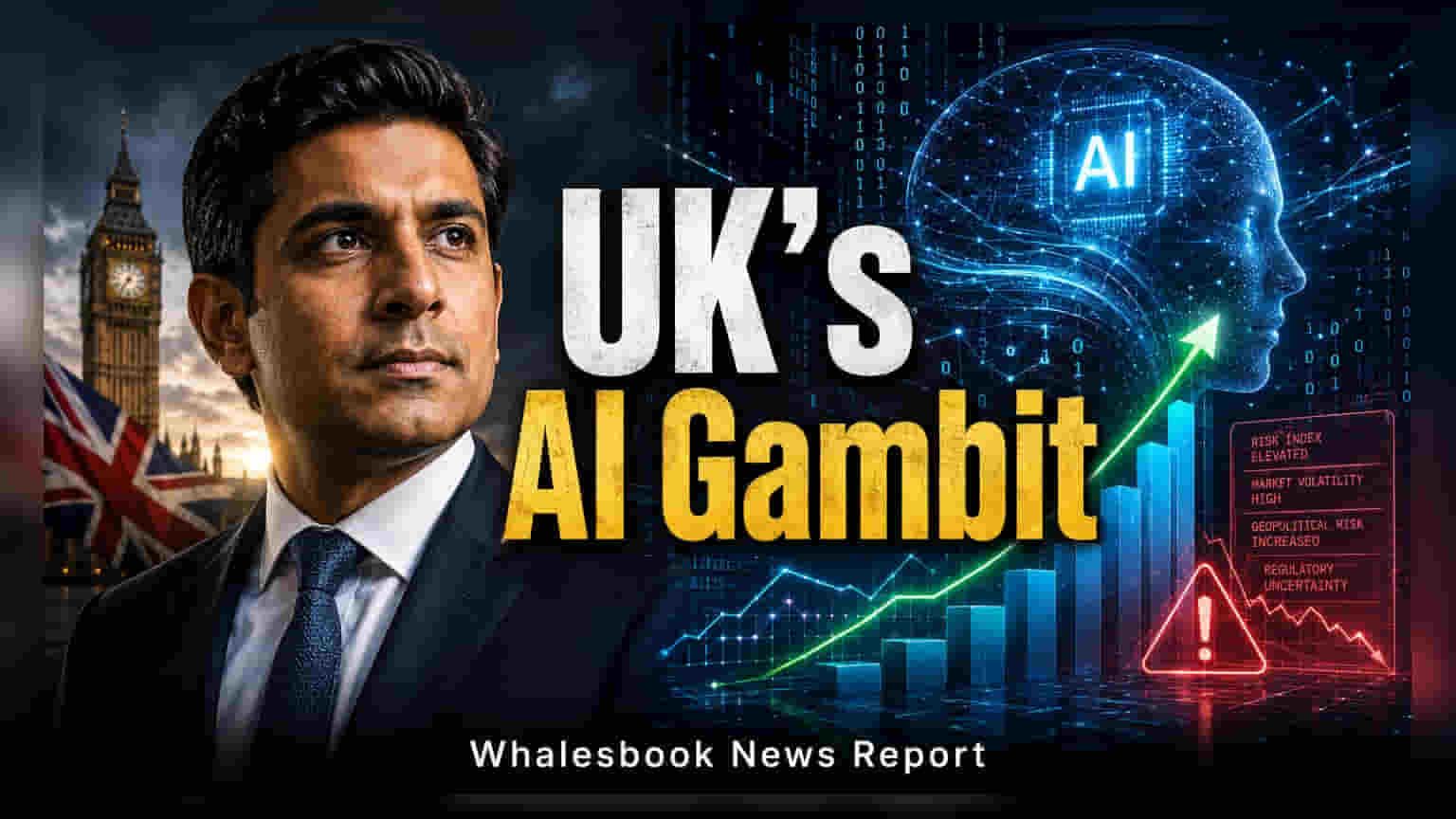
British Prime Minister Andy Burnham has appointed MP Kanishka Narayan as the new Minister for AI to lead the nation's technology strategy. This move aims to reshape public services and drive reindustrialization, though the government faces challenges regarding job security and the pace of technological change.
Detailed Coverage
In a significant cabinet reorganization on July 21, 2026, British Prime Minister Andy Burnham appointed Kanishka Narayan as the country's new Minister for AI. This cabinet position highlights the government's strategic focus on artificial intelligence as a primary driver for future economic policy and public sector modernization.
Strategic Vision and Economic Goals
Narayan, aged 36, is a British Indian Member of Parliament who previously made history as the first MP of Indian origin representing a Welsh constituency. In his initial remarks, he described AI as a transformative force with the potential to significantly impact national productivity. The government's stated objective is to use this technology to support a reindustrialization strategy for Britain while simultaneously improving the efficiency of public services. Narayan emphasized that the current international environment provides a narrow window for the UK to establish itself as a leader in AI governance, suggesting that the government intends to play an active role in setting global standards.
Balancing Innovation and Employment Risks
While the ministerial appointment signals a push for technological adoption, the government has acknowledged that this transition carries inherent risks. Narayan specifically addressed public anxiety regarding the displacement of jobs and the rapid pace at which AI tools are changing the workplace. These concerns remain a central topic of discussion in the British technology sector. Investors and market watchers often monitor such ministerial roles for potential shifts in regulatory frameworks, data protection policies, and funding for domestic technology startups. The ability of the new administration to balance innovation with labor protections will be a key factor in how the industry develops under this mandate.
Broader Cabinet and Trade Context
The reshuffle also expanded the responsibilities of Lisa Nandy, who remains Secretary of State for Digital, Culture, Media and Sport, with a new focus on digital services. The government also confirmed that Jonathan Reynolds will continue in the trade brief. His role is particularly relevant to international stakeholders, as he oversees the Department for Business, Innovation, Science and Trade following the recent implementation of the India-UK Comprehensive Economic and Trade Agreement. These appointments suggest a coordinated approach to integrating technology and trade policies, which may influence future business collaborations and cross-border digital services. As the administration settles in, the market will look for specific policy documents or legislative updates regarding AI investment and digital service integration in the coming months.