 Whalesbook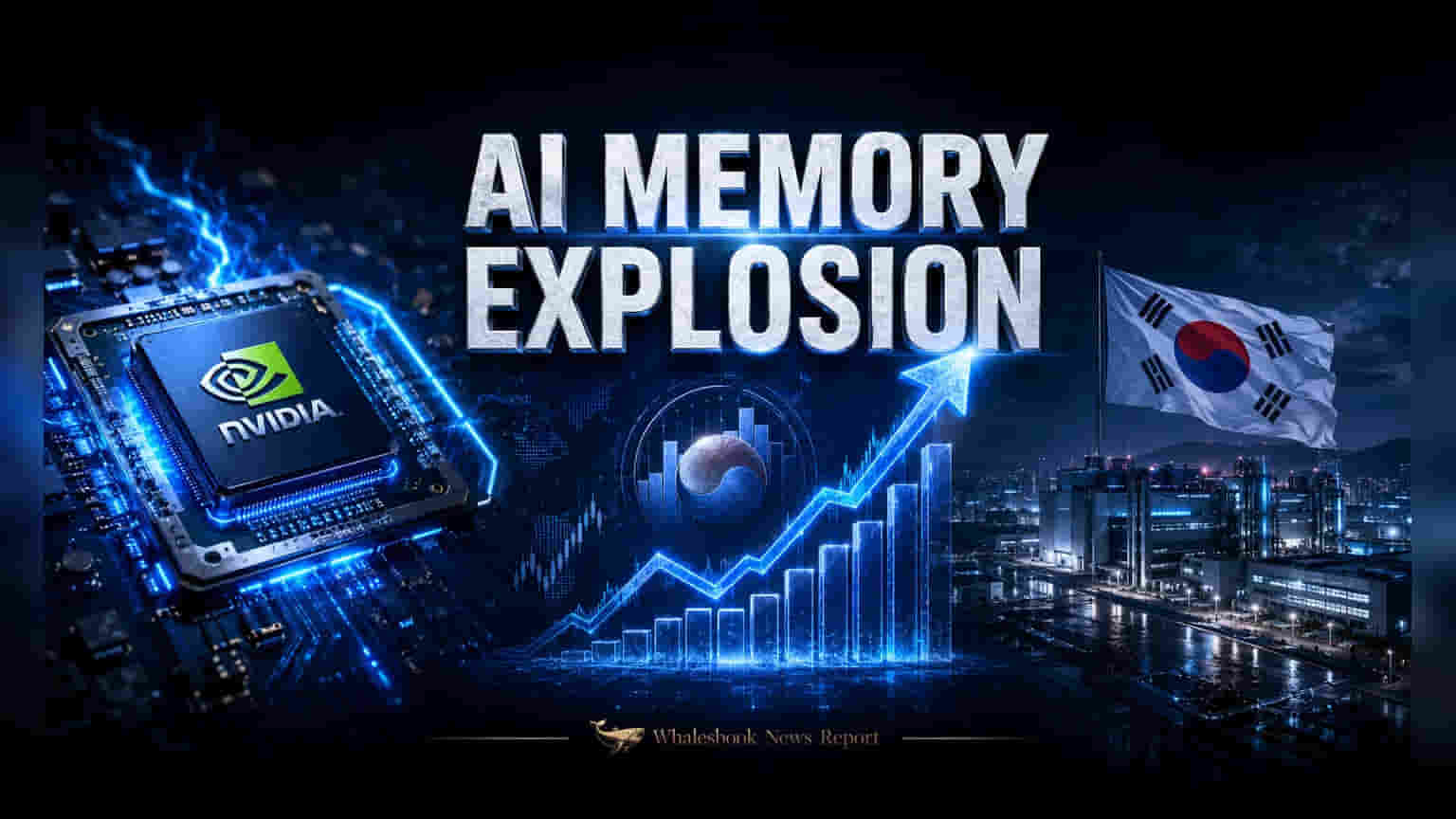


The Semiconductor Engine
The KOSPI’s ascent to record territory, eclipsing the 8,200-point mark in late May 2026, represents an unprecedented period of index performance. This rally is not reflective of a synchronized economic expansion across the Korean industrial base; rather, it is a surgical move in semiconductor heavyweights. The primary catalyst for this move is the structural integration of South Korean memory producers into the global AI infrastructure buildout. As U.S. hyperscalers accelerate data center expansion, demand for high-bandwidth memory (HBM) has transformed SK Hynix and Samsung Electronics from cyclical commodity suppliers into foundational pillars of the AI hardware supply chain.
Mechanical Volatility and ETF Impacts
The market’s recent volatility has been amplified by the debut of sixteen new single-stock leveraged and inverse ETFs on May 27, 2026. These instruments, tracking Samsung Electronics and SK Hynix, have drawn massive liquidity from retail investors, creating a feedback loop of concentrated buying. While these ETFs have propelled the index to all-time highs, market participants are increasingly wary of the "negative compounding" effect inherent in daily-reset leveraged products during periods of heightened intraday swings. The sheer volume of inflows—nearing 2 trillion won in a single session—suggests that index levels are currently being dictated as much by technical flow dynamics and derivative positioning as by fundamental earnings trajectory.
The Governance Re-rating
This rally has been supported by significant regulatory shifts. The 2026 amendments to the Korean Commercial Code have codified fiduciary duties to minority shareholders and mandated the cancellation of treasury shares, directly attacking the legacy "Korea discount." By restricting the ability of controlling shareholders to leverage treasury shares for voting power, the reforms have begun to align corporate behavior with global institutional standards. This structural change, coupled with the ongoing Value-Up initiative, has provided a fundamental backdrop that foreign institutional investors find increasingly palatable, even as they have paradoxically maintained a net-selling streak in the broader market for over a dozen consecutive sessions.
The Forensic Bear Case: Concentration Risk
The current market configuration poses a distinct threat to passive investors. The KOSPI is now dominated by a semiconductor duopoly to such an extent that it exceeds traditional diversification limits for global benchmarks like the MSCI Korea Index. This index-cap reality creates a looming risk of mechanical selling by passive funds if the weightings of Samsung and SK Hynix continue to climb. Furthermore, the decoupling is stark: while semiconductor shares reach record valuations, other significant sectors, including construction, chemicals, and the tech-heavy KOSDAQ index, have faced meaningful drawdowns. Any pivot in global AI capital expenditure, or a softening in DRAM average selling prices, would likely result in an outsized contraction for the index, as the current valuation premium is predicated on a linear growth assumption that ignores the inherent cyclicality of the memory industry.