 Whalesbook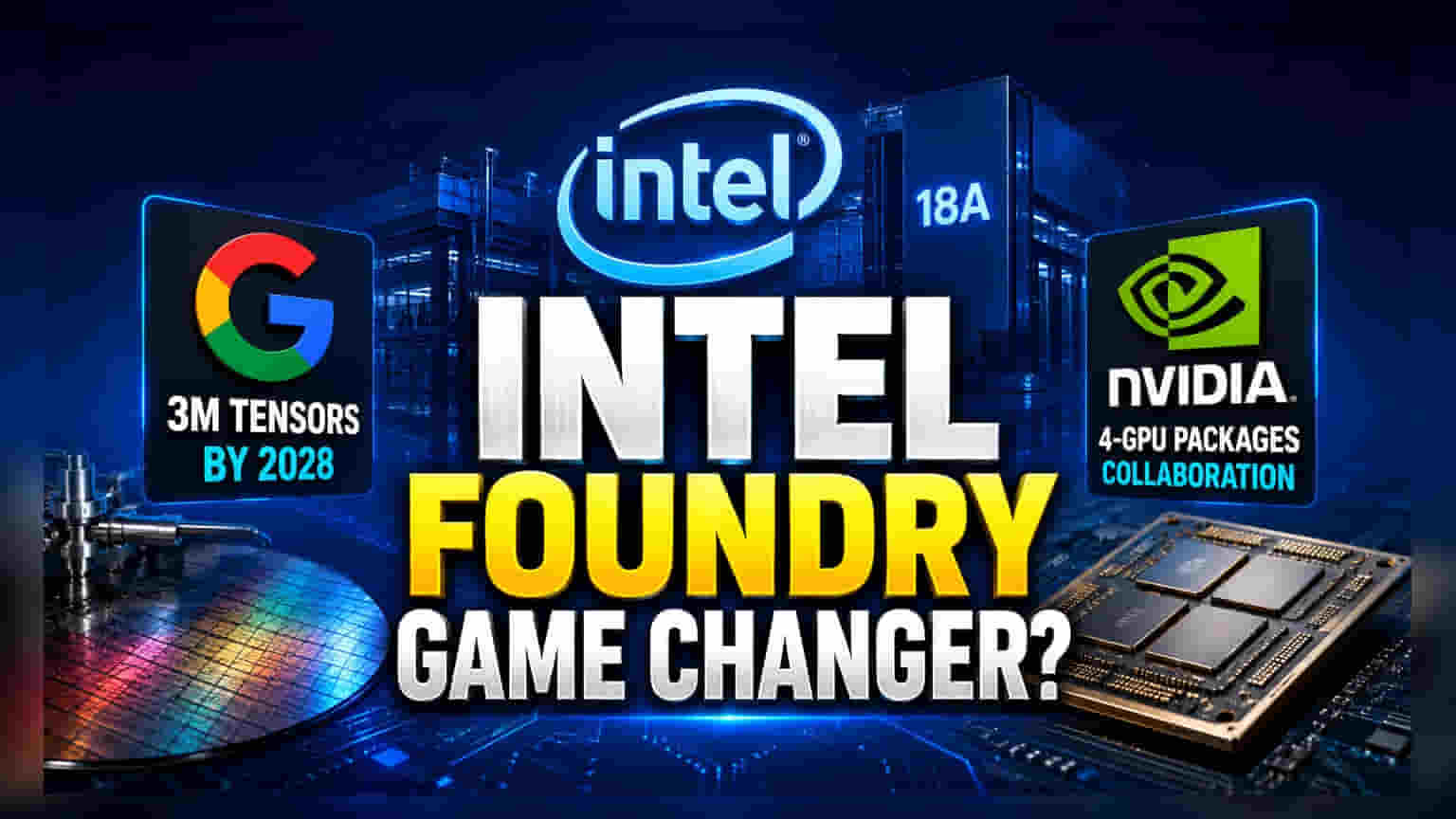


The Foundry Validation Test
The double-digit rally in Intel Corporation (INTC) reflects a rare moment of optimism for the company’s Foundry services division. The market is pricing in the potential for Google to outsource production of three million Tensor Processing Units by 2028, a timeline that serves as both a massive opportunity and a high-stakes test of Intel’s execution capabilities. For Intel, the goal is to shift the narrative from a legacy PC-centric chipmaker to a viable third-party semiconductor fabricator. Investors are signaling that if Intel can successfully secure Google and Nvidia as foundry customers, it justifies the immense capital expenditure poured into its 18A manufacturing nodes, which have faced persistent delays and skepticism from institutional analysts.
Competitive Benchmarking and Margin Pressures
Unlike TSMC, which currently commands the vast majority of the high-end AI chip market with superior yields, Intel remains a distant contender trying to prove its technological parity. While the prospect of an Nvidia collaboration—specifically regarding four-GPU integrated packages—offers a potential pathway to credibility, the financial reality is harsher. Intel’s operating margins have remained compressed by heavy R&D spending and ongoing capacity expansion. Competitors like TSMC benefit from immense economies of scale and mature, high-yield processes, whereas Intel’s foundry business continues to act as a drag on overall earnings. The market is currently choosing to ignore these margin headwinds, focusing instead on the top-line growth potential promised by these prospective hyperscaler partnerships.
The Forensic Bear Case
Despite the recent price action, skepticism remains warranted regarding Intel’s ability to hit these aggressive production milestones. The company has a documented history of manufacturing delays that have eroded customer trust. Furthermore, previous headlines concerning multi-billion dollar investment plans or equity stakes from major tech players have often failed to materialize into transformative revenue gains. Intel must navigate a difficult environment where it must compete with the very companies—like Nvidia—it hopes to serve as a contract manufacturer. This creates a structural conflict of interest that could lead to volatility if these deals do not convert into definitive, binding contracts. Additionally, the regulatory climate surrounding AI dominance and supply chain concentration remains a looming shadow, as major tech firms may face pressure to diversify away from any single provider, forcing Intel to compete on price rather than exclusivity.
Forward Guidance and Market Sentiment
Analyst sentiment remains divided between those who view the foundry pivot as a long-term turnaround strategy and those who see the recent stock surge as an overreaction to non-binding reports. Forward-looking guidance depends heavily on Intel’s ability to reach 18A yield targets by early 2027. Should these manufacturing milestones slide again, the current premium applied to the stock will likely evaporate, regardless of the speculative interest from Google or Nvidia. Future price stability will hinge on quarterly earnings reports that must show concrete progress in foundry revenue growth, rather than just collaborative announcements.