

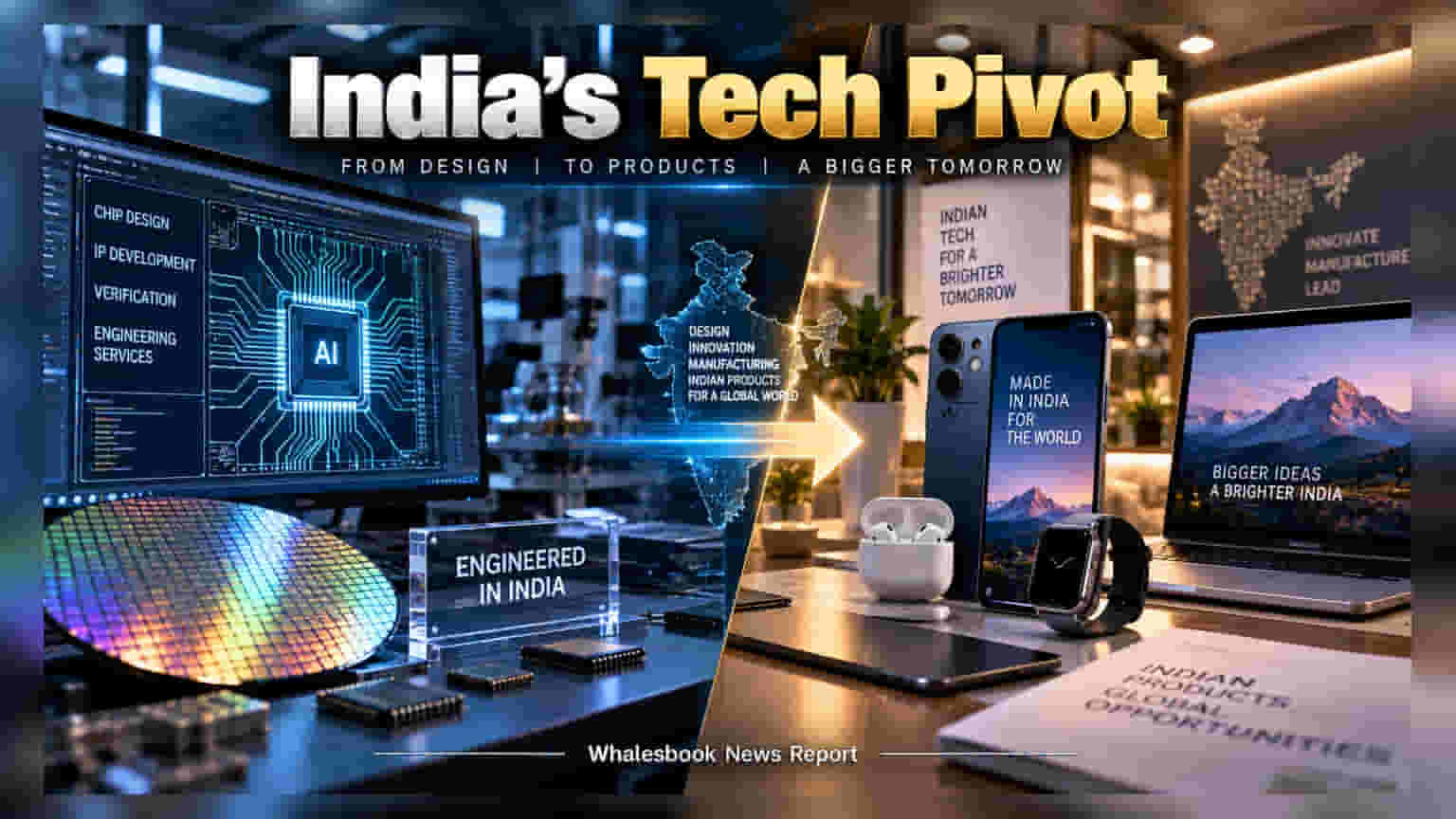
Vikram Meghal of Infosys highlighted at SEMICON India 2026 that India must shift from engineering services to full product ownership to capture higher innovation value. With the domestic phone market projected to grow by USD 80 billion, the move aims to capture finished-good value, though it requires significant shifts in business model and regulatory navigation.
At the SEMICON India 2026 conference, Vikram Meghal, Senior Vice President at Infosys, addressed the future of India's technology hardware sector. He argued that the country’s current reliance on engineering services, particularly in semiconductor design, is a starting point but not the destination for long-term growth. Meghal urged Indian companies to transition toward developing and owning finished products rather than focusing solely on component-level engineering.
The strategic shift proposed involves moving from an 'engineered in India' model to one where Indian firms own the entire product life cycle. Currently, IT services companies operate largely on a fee-for-service model, where revenue is tied to engineering hours provided to clients. Moving toward product ownership implies a fundamental change in how companies allocate capital and measure success. This involves higher initial research and development spending, inventory management, and a shift toward product-based revenue streams rather than service-based contracts.
The call for this transition comes as India faces significant domestic growth opportunities. Market forecasts cited during the session indicate the local phone market could expand by USD 80 billion over the next five years, despite local content currently hovering around 23%. Additionally, the medical device sector, which is projected to grow from a USD 14 billion industry to USD 50 billion, presents another area where Indian firms could potentially move up the value chain from design services to manufacturing finished devices.
However, this strategic pivot carries specific business challenges for Indian IT majors and tech firms. Exporting finished systems involves more stringent international regulatory compliance compared to exporting component designs. Investors often watch these transitions closely, as shifting to product development requires longer gestation periods and different risk profiles. Unlike software services, where overheads are primarily headcount-related, finished product businesses involve substantial capital spending on infrastructure, raw materials, and intellectual property development.
Furthermore, the competitive landscape for hardware products is global and intense. While Indian companies have built strong reputations in ER&D (Engineering Research and Development) services—providing the backend work for global hardware giants—competing in the finished goods segment requires not just technical prowess but also strong supply chain management and brand positioning. Companies venturing into this space must navigate the high cost of market entry and the risk of demand fluctuation for physical goods.
For investors monitoring the sector, the key developments to track will be how Indian IT companies balance their existing, cash-generative services business with the high-investment, long-term nature of product development. Success will depend on the ability to manage execution risks, navigate international regulatory standards, and demonstrate that product-based growth can eventually lead to sustainable margins comparable to or better than the current service-model profitability.