

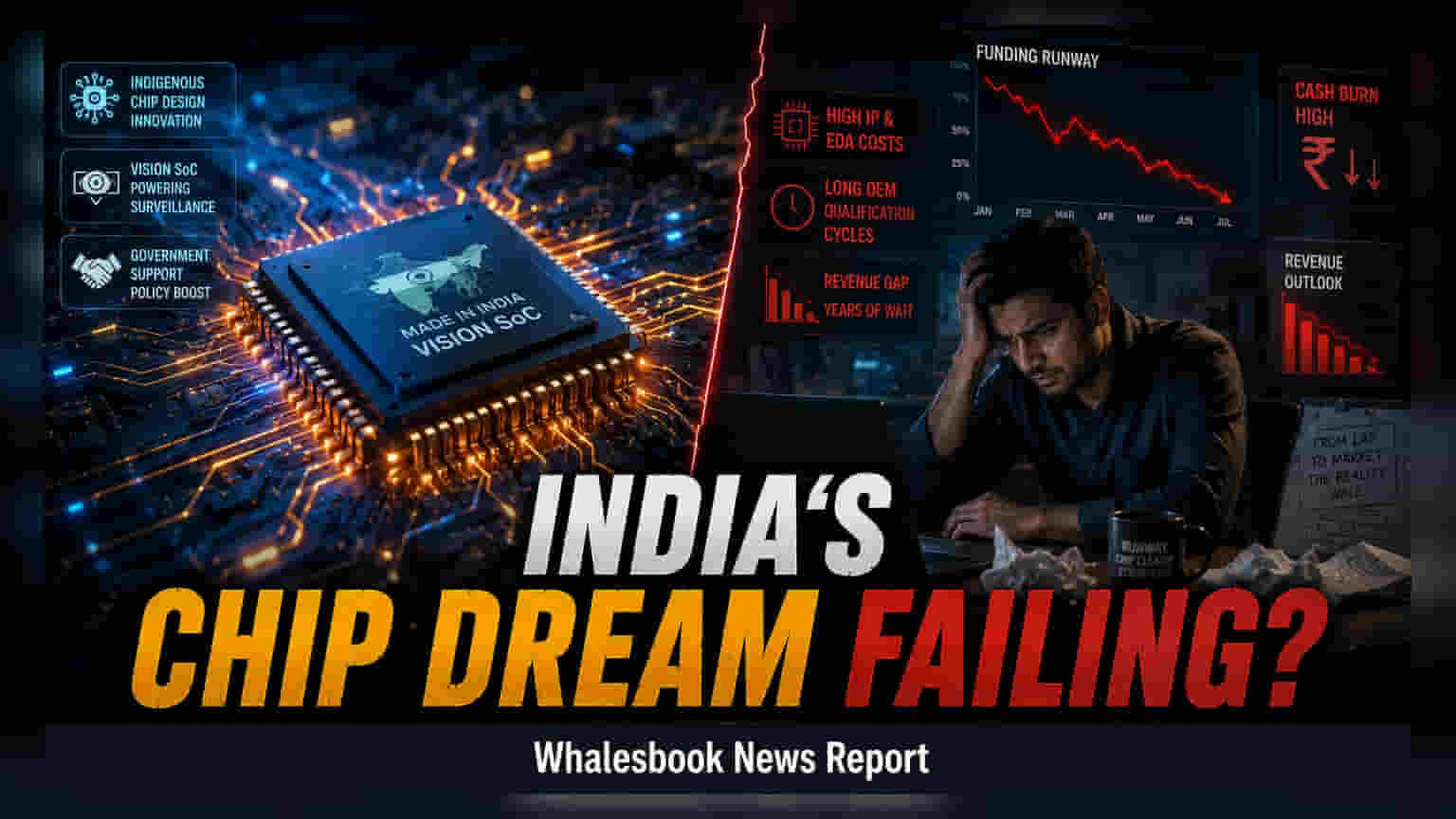
Indian chip startups are transitioning from lab designs to commercial integration, supported by recent government mandates. However, they face significant hurdles, including high foreign software costs and long OEM testing cycles. For the ecosystem to mature, investors should focus on whether these firms can turn prototypes into consistent, high-volume commercial orders without burning through capital.
Indian fabless semiconductor startups, which focus on chip design while outsourcing manufacturing, are moving out of the lab and into the market. A notable example is Mindgrove Technologies, which signed an MoU with Prama India in June 2026 to integrate its indigenous 'Vision SoCs' into CCTV surveillance cameras. This move is largely catalyzed by government policies effective April 1, 2026, that mandate the disclosure of critical component origins, effectively limiting the use of non-certified imported hardware in sensitive sectors.
While this policy provides a strong tailwind by creating a protected domestic market, the path to commercial success remains difficult. These startups are hitting a 'reality wall' where successfully designing a chip is only the first step. The next, and often more expensive, phase is proving to Original Equipment Manufacturers (OEMs) that these chips are as reliable and cost-effective as the global alternatives already dominating the market.
One of the most significant financial pressures for these firms is the high cost of Intellectual Property (IP) and Electronic Design Automation (EDA) software. Developing a chip requires expensive specialized software tools from global giants like Synopsys and Cadence. Furthermore, Indian startups must pay substantial fees for foreign-owned IP blocks to build their designs. This cost structure puts them at a disadvantage compared to established competitors in China and Taiwan, who often benefit from massive economies of scale and deeply integrated supply chains.
To bridge this gap, the government’s Design Linked Incentive (DLI) scheme offers up to 50% reimbursement of eligible design expenses, aiming to lower the barrier to entry. However, government support is meant to be a catalyst, not a permanent cushion. The ultimate test for startups like BigEndian and Aheesa Digital Innovations is navigating the lengthy product qualification cycles. OEMs often take years to test and certify a new chip before placing a commercial order, creating a significant 'revenue gap' where companies must fund operations for years before seeing meaningful sales.
For investors monitoring this sector, the primary challenge is not just technological innovation, but operational sustainability. Startups must balance the high capital requirements of chip development with the slow pace of OEM adoption. Success will likely depend on whether these firms can secure stable, long-term commercial contracts that move beyond initial prototypes. The next important milestones to track include the actual conversion of these pilot MoUs into high-volume orders, the speed at which OEMs qualify these new chips, and the ability of these companies to manage cash flow while waiting for commercial revenue to ramp up.