

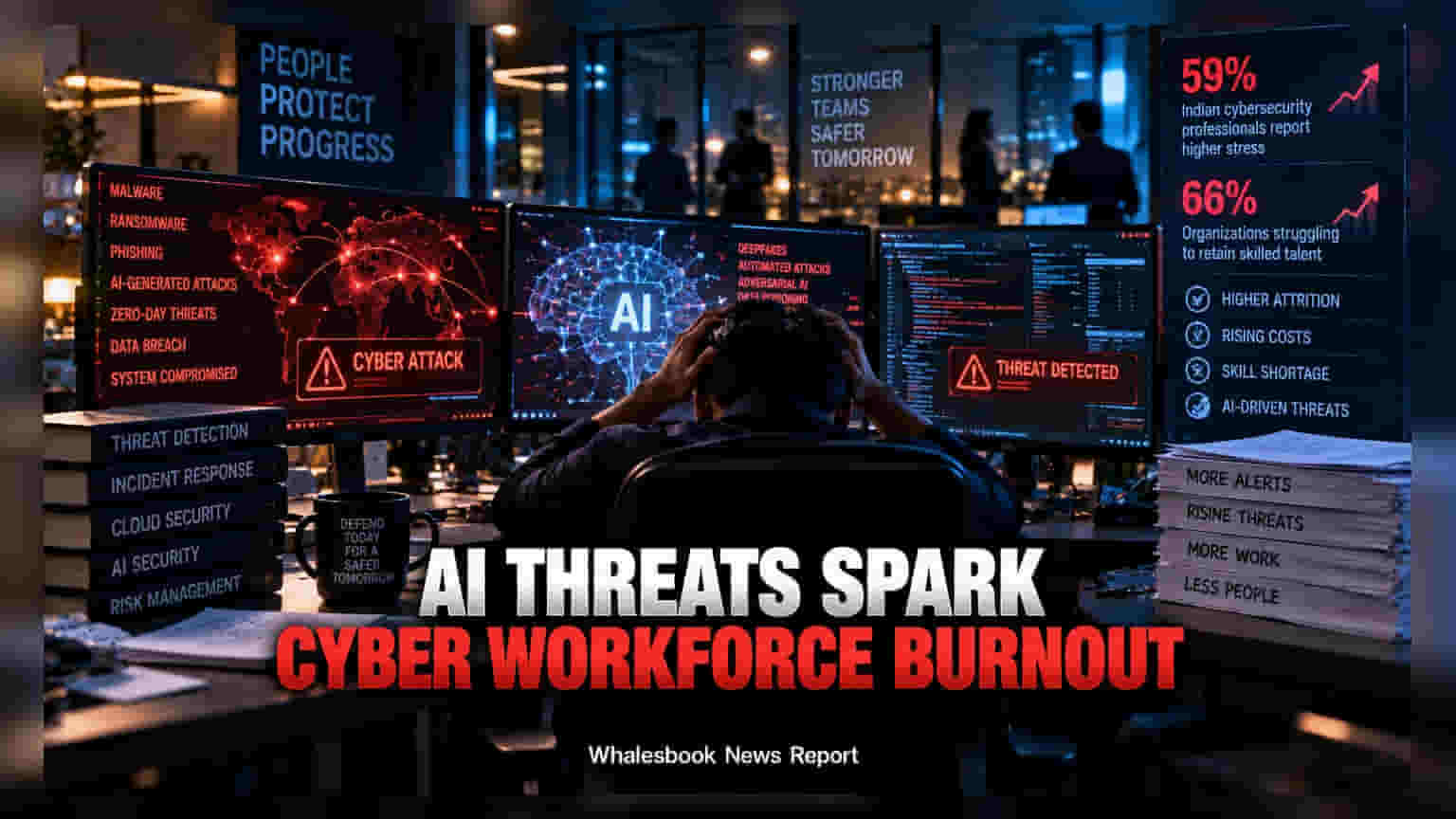
A report shows 59% of Indian cybersecurity staff face high stress from AI-driven threats. For investors, this talent crunch means rising wage bills, higher hiring costs, and potential margin pressure for IT companies that struggle to retain skilled experts.
The cybersecurity sector in India is facing a human capital crisis that carries direct implications for corporate profitability. According to a recent report by ISACA, 59% of Indian cybersecurity professionals are reporting significantly higher stress levels compared to five years ago. This exhaustion is not just a human resource issue; it is a growing operational risk for listed IT services companies that rely on these teams to protect client data and systems.
Why Attrition Impacts Margins
For investors, the most critical aspect of this talent shortage is the financial cost. With 66% of organizations struggling to retain skilled talent—a notable increase from 55% in the previous year—companies are facing a difficult cycle. Replacing a trained cybersecurity expert is expensive, often requiring significant time and high recruitment costs. When attrition rates rise, IT service providers must increase their wage bills to attract and retain staff, which can place pressure on operating margins. This is particularly relevant for Indian IT firms that compete to provide cybersecurity as a service to global clients.
The Shift Toward Managed Security
To counter this, many Indian IT companies are changing their business model. Instead of relying solely on internal teams that face high burnout, companies are moving toward Managed Security Services. This allows them to spread the cost and workload of monitoring threats across larger, centralized teams. By deploying AI and automation tools, these firms are trying to reduce the manual work that leads to staff exhaustion. If successful, this shift could improve efficiency and lower the cost of defending against AI-powered cyberattacks.
Growing Need for Better Training
While automation helps, industry experts note that technology is not a total solution. The gap in specialized skills—specifically in areas like Large Language Model (LLM) security and machine learning operations—means that companies must invest heavily in upskilling their current workforce. Relying on a small pool of veterans is becoming unsustainable, forcing firms to open their doors to entry-level talent with structured training programs.
What Investors Should Track
Investors should look for updates in quarterly results regarding the 'wage bill' and 'employee retention rates' for companies with large cybersecurity or digital services divisions. A company that successfully manages its talent churn through better automation and training is likely to be more resilient than one that simply absorbs higher recruitment costs. The ability of an IT firm to successfully sell 'Security-as-a-Service' products will also be a key indicator of its long-term growth in this competitive environment.