

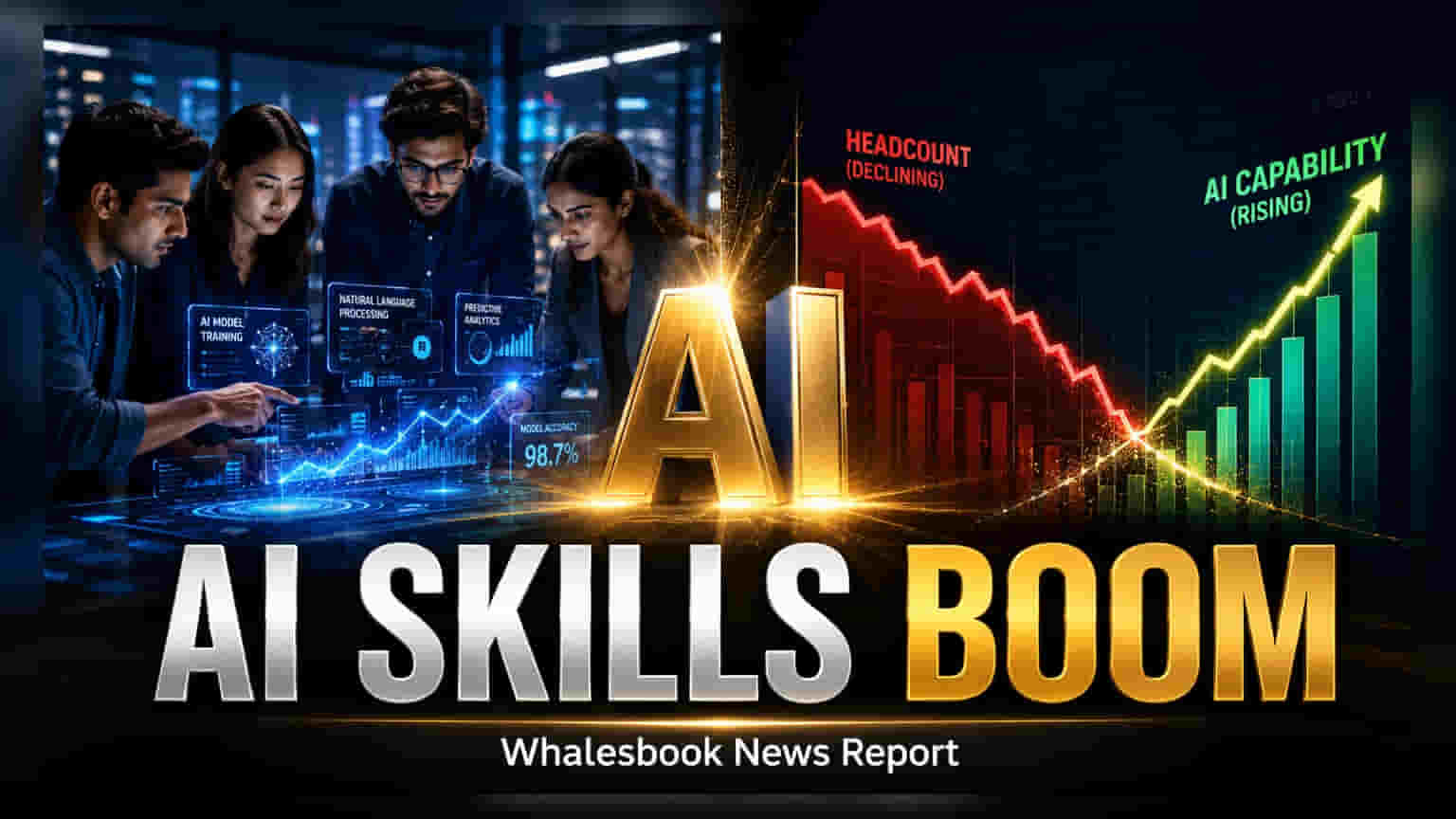
Major Indian IT companies are prioritizing specialized AI and digital skills over mass hiring. This shift reflects a strategic move to boost productivity and innovation, leading to more selective recruitment for fresh graduates and experienced professionals.
The Indian information technology sector is undergoing a significant change in how it manages talent. As companies integrate artificial intelligence and agentic AI into their core operations, the era of massive headcount growth is being replaced by a focus on productivity and specialized expertise. This transition is influencing recruitment at both the campus and lateral levels.
Evolving Recruitment Strategies
Companies are now prioritizing candidates who possess digital and AI-native skills. For instance, Tata Consultancy Services (TCS) onboarded 14,000 fresh graduates in the first quarter of fiscal year 2027. The company's leadership has emphasized that these new recruits are selected based on their potential to adapt to AI-native workflows, with extensive internal training provided to bridge the gap. Similarly, Infosys is focusing on training its new intake through proprietary platforms like Fabric and Topaz, while over 50% of its lateral hires now come with specialized next-generation skill sets.
The Shift Toward Productivity
The industry is increasingly decoupling revenue growth from the number of employees. By leveraging AI to automate routine tasks, companies are aiming to enhance operational efficiency. Tech Mahindra, for example, saw a sequential rise in performance in the first quarter of FY27, even as its year-on-year IT services headcount decreased. This demonstrates a trend where productivity gains allow firms to repurpose existing staff rather than relying solely on backfilling roles or aggressive hiring.
Demand for Specialized Roles
Industry data shows a consistent rise in demand for niche roles. Experts have noted a 12-15% quarter-on-quarter increase in demand for experts in cybersecurity, cloud architecture, and AI/ML engineering. This requirement is especially high in sectors such as banking, healthcare, and manufacturing. Furthermore, companies are increasingly using acquisitions to rapidly build their expertise. Wipro, for example, expanded its capabilities and headcount through the acquisition of Mindsprint, highlighting a strategy of inorganic growth to secure domain-specific talent.
Future Trends for Investors
For investors, the key monitorable will be how effectively these firms transition their workforce without compromising margins. As traditional maintenance roles stagnate, companies that can successfully retrain their existing workforce or acquire high-value talent will likely maintain a competitive advantage. Investors may track future quarterly results to see if the focus on AI-driven productivity leads to improved profit margins and whether the companies can continue to secure high-value contracts that justify their investment in advanced technical talent.