

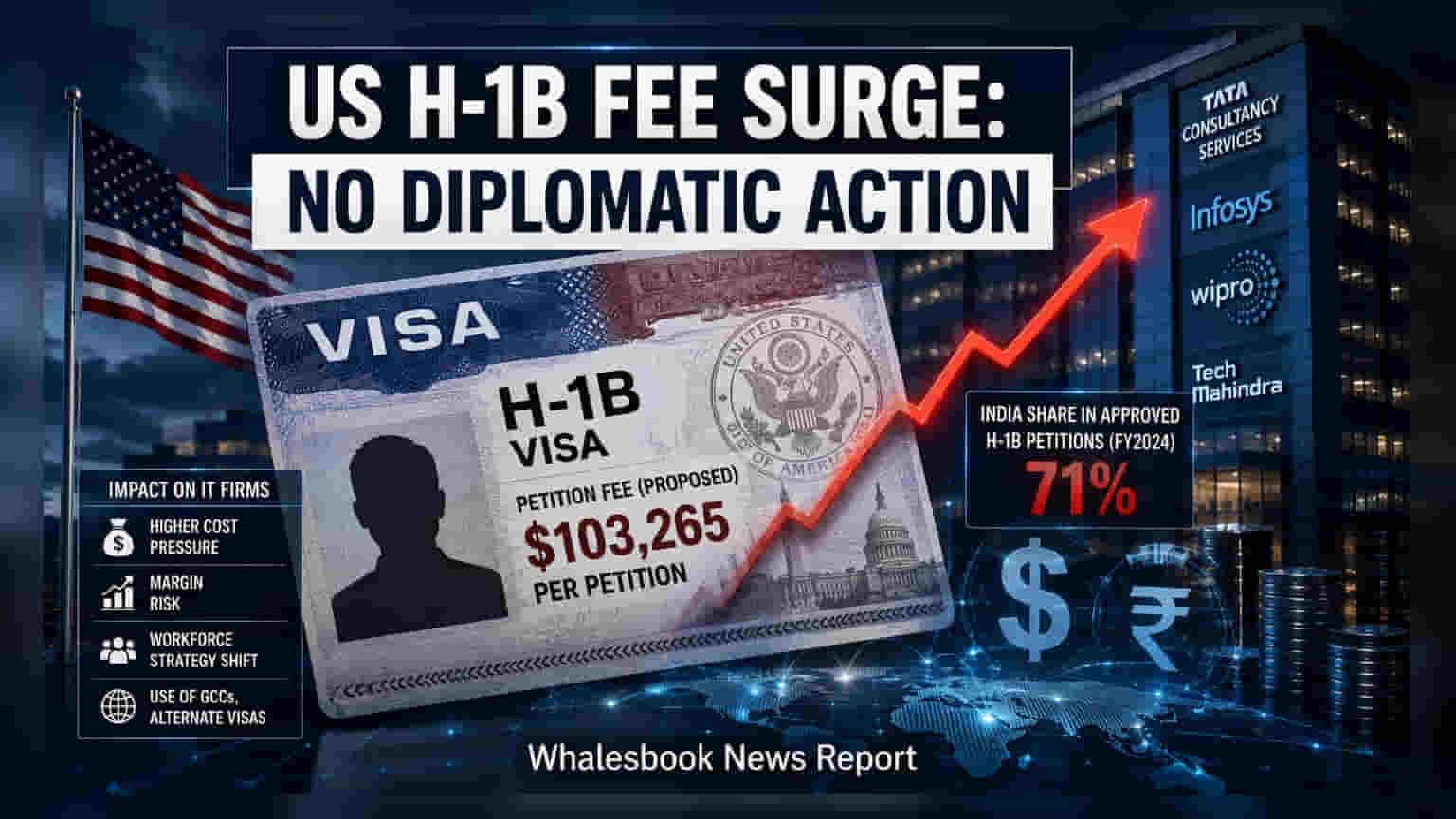
The Indian government has decided not to treat the US proposal to raise H-1B visa fees to $103,265 as a bilateral diplomatic issue, labeling it a commercial matter. This development is significant for Indian IT companies, which are major users of these visas, although most have already adjusted their business models to reduce dependence on this specific permit category.
The Indian government has signaled it will not intervene in the proposed increase in US H-1B visa fees, categorizing the potential $103,265 per-petition cost as a sovereign commercial matter for the US rather than a diplomatic grievance. This stance marks a notable departure from previous years, when New Delhi had raised concerns at international forums such as the World Trade Organization regarding changes to visa structures.
The proposed fee structure, currently under a 30-day public comment period initiated by the US Department of Homeland Security, follows a previous attempt by the US to implement a similar charge that was struck down by federal courts. For Indian IT firms, the proposal poses a direct financial risk given that nationals from India secured 71% of all approved H-1B petitions in the 2024 fiscal year. Companies such as Tata Consultancy Services, Infosys, Wipro, and Tech Mahindra have historically been significant users of this visa category for placing skilled professionals at client sites in the US.
However, the financial impact of this potential hike may be less severe than it would have been a decade ago. Over the last several years, Indian IT firms have been proactively reducing their reliance on the H-1B visa program. Strategies such as hiring more local talent within the US, shifting workloads to Global Capability Centres (GCCs) in India, and increasing investments in US-based STEM programs have helped these companies build a buffer against such regulatory changes.
For investors, the primary concern remains the potential impact on operating margins. If the proposed fee becomes reality, companies that cannot pass these costs on to their US clients may face margin pressure. The ability of these firms to absorb, pass on, or circumvent these costs by using different visa categories or offshore models will be a key factor in protecting profitability.
While the government is not taking a diplomatic route, the industry body NASSCOM continues to monitor the situation. The proposal is not yet a final rule and remains subject to the public comment process and potential legal challenges in the US. The key monitorable for shareholders will be the final version of the regulation and how companies adjust their US workforce strategies in response to any changes in foreign labor costs.