

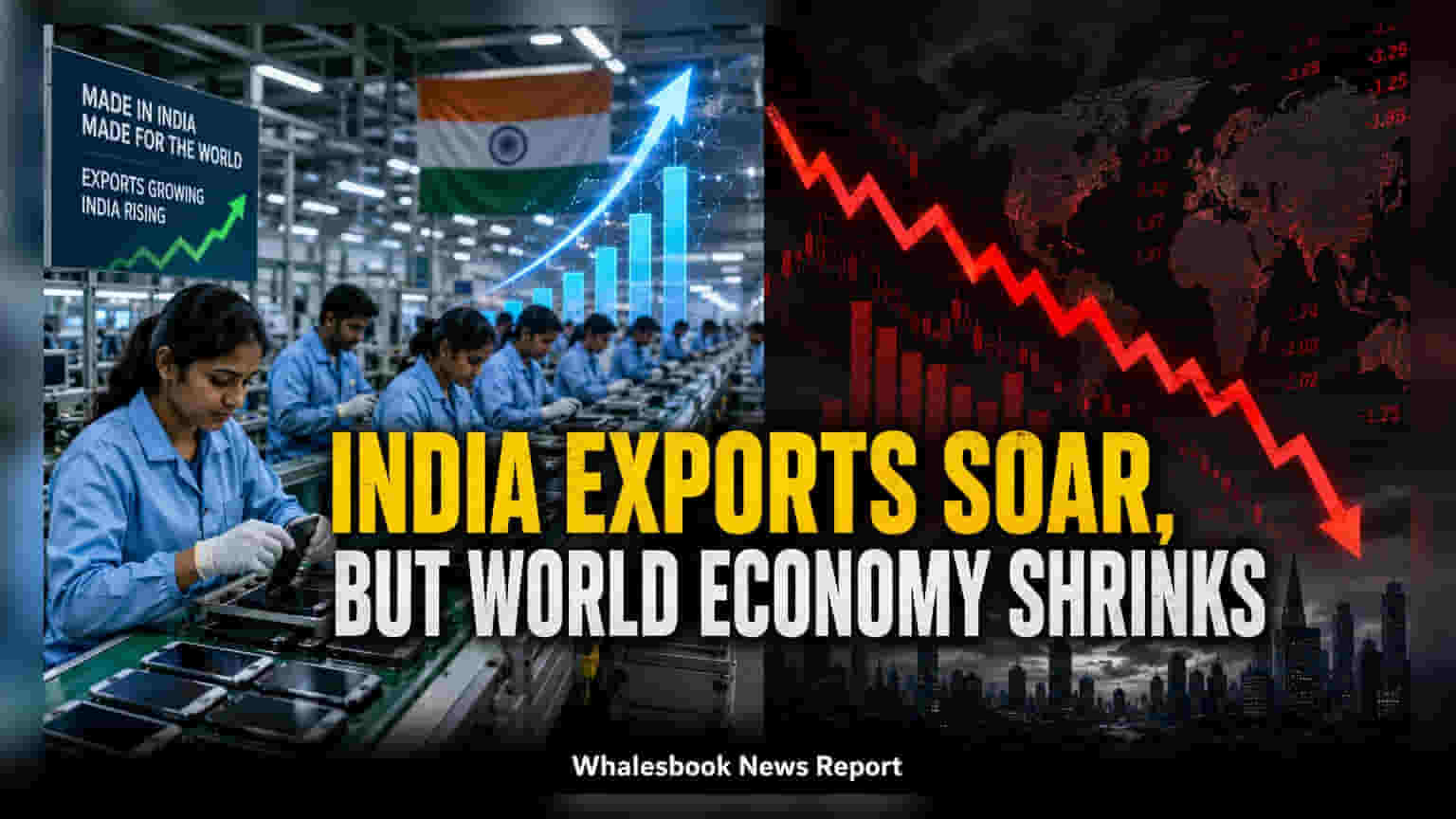
India’s smartphone exports grew 23.4% to $9.8 billion in the June 2026 quarter, largely driven by Apple’s manufacturing shift. While the surge strengthens India's status as an electronics hub, analysts are watching global demand and component costs as key factors for future growth.
India’s smartphone export sector reached a new high in the first quarter of the 2027 fiscal year, recording $9.8 billion in outbound shipments. This marks a 23.4% increase compared to the same period last year. The total value of electronics exported during the April-June quarter stood at $15.2 billion, with smartphones accounting for roughly two-thirds of that figure.
Apple’s Role in Export Growth
Much of this growth is linked to Apple’s strategy to increase its production capacity in India. A significant portion of these handsets is being exported directly to the United States. In the months of April and May, the U.S. market accounted for 71% of India’s total smartphone export value. This shift is part of a broader trend where major global electronics brands are diversifying their manufacturing away from traditional hubs and toward India to mitigate supply chain risks.
Future Growth and Market Risks
While the current export numbers are strong, the path forward faces several pressures. Analysts and industry watchers have pointed to the risk of a global demand slowdown, which could impact the pace of future orders. Additionally, the rising cost of electronic components remains a factor that could squeeze margins for manufacturers operating in the country. Another area to monitor is the product mix. Industry experts have noted that India currently lacks production lines for some upcoming high-end models, such as potential foldable devices, which are becoming an increasingly important part of the premium smartphone market globally.
Looking ahead, industry projections estimate that total smartphone exports from India could reach $35 billion by the end of the 2027 fiscal year, rising from $29 billion in fiscal 2026. The ability of the sector to meet these targets will depend on several variables. Investors and sector analysts will be tracking the stability of global demand, the company's ability to manage component pricing, and whether manufacturers decide to bring production of newer, higher-value technologies to Indian facilities. The consistency of these export volumes remains the key indicator for the sector's long-term health.