

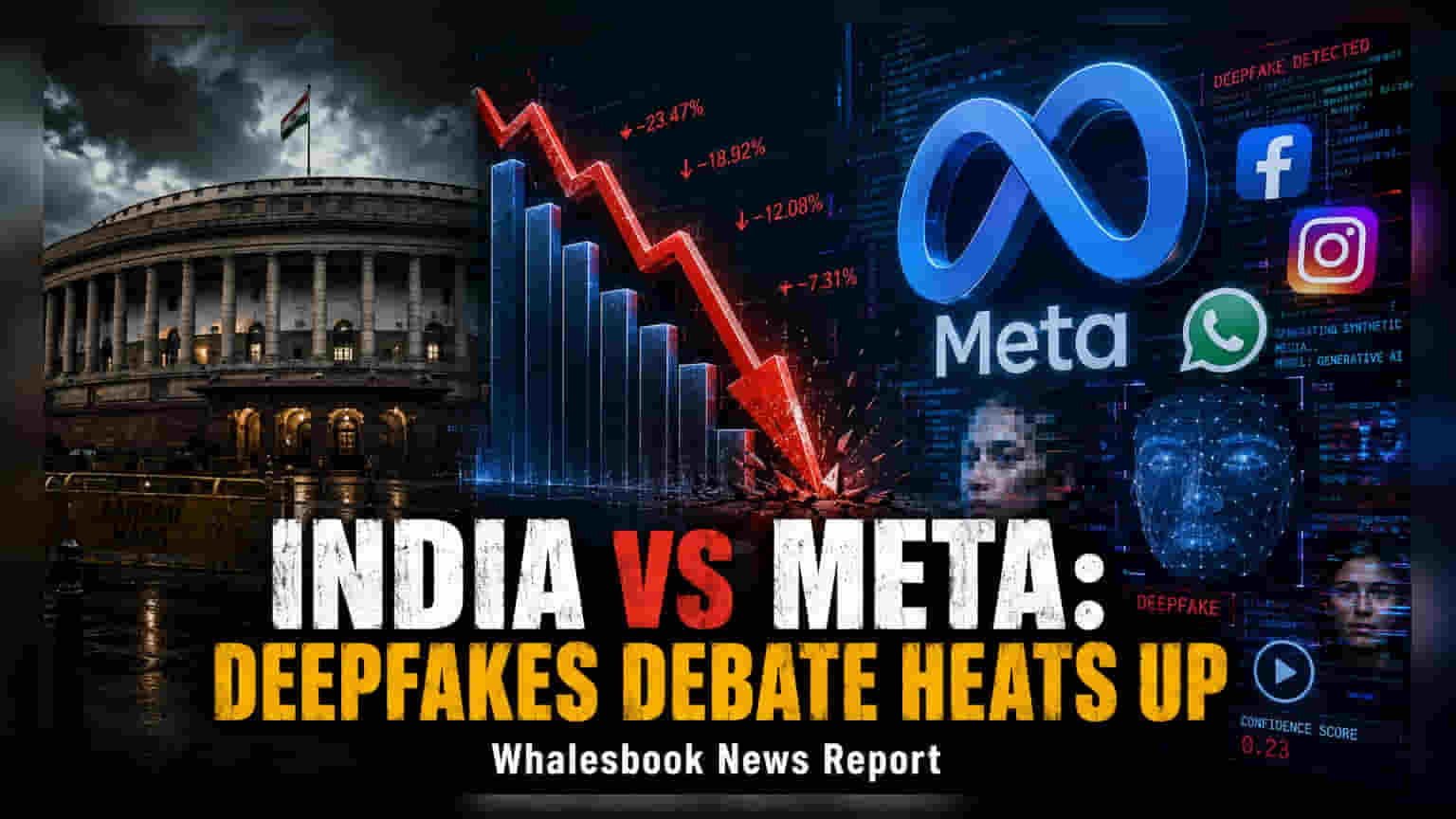
The Indian government is holding intense talks with Meta over deepfakes, AI content, and child safety after a high-profile video removal incident. Officials have warned that failing to follow local laws could threaten Meta's 'safe harbor' protection, potentially making the company legally liable for user content. Investors are watching how these regulatory demands for human oversight and algorithmic changes could impact future operations.
The Indian government has engaged in a series of intense technical discussions with Meta Platforms, Inc. following a major regulatory friction point. The dialogue, led by IT Minister Ashwini Vaishnaw and Meta's global affairs head Joel Kaplan, was triggered after a video posted by Prime Minister Narendra Modi was temporarily restricted on Facebook. This incident has evolved into a broader review of the company's content moderation practices, specifically regarding deepfakes, child sexual abuse material (CSAM), and unlabelled AI-generated content.
For investors, the most critical element of these discussions is the potential impact on Meta’s legal status in India. New Delhi has explicitly questioned the company’s adherence to the Information Technology Act. If the government decides that the platform is not doing enough to comply with local rules, it could threaten the company's 'safe harbor' protection under Section 79 of the IT Act. This protection is vital for social media platforms because it shields them from legal liability for the content that their users post. If this protection is removed or restricted, Meta could face direct legal challenges for third-party content, which would fundamentally alter its operational risks and legal costs in the Indian market.
To address these concerns, the government has demanded that Meta provide a concrete compliance roadmap. The authorities are focused on three main areas: the rapid spread of harmful AI-generated content, the presence of CSAM, and the proliferation of bot accounts. Officials have emphasized that Meta's algorithms, which dictate what content goes viral, must align with Indian laws. The government is now examining whether these recommendation algorithms effectively turn the platform into a 'publisher' rather than just an 'intermediary,' which is the core legal distinction determining whether they deserve legal immunity.
Meta has acknowledged the severity of the issues and has assured the government that it is working on technical solutions, including enhanced human oversight and better identification of synthetic content. However, implementing these changes—such as increasing human moderation teams or altering algorithms to reduce the virality of non-compliant content—could lead to increased operational expenses.
This development is part of a wider effort by the Indian government to increase accountability for digital platforms. Beyond Meta, other social media and AI firms are also facing heightened scrutiny regarding how they manage synthetic media and local cultural nuances. The next major monitorable for investors will be the submission and implementation of the compliance roadmap, and whether these steps satisfy the government's requirements to maintain the company’s current regulatory standing in the country.