

India’s retail and consumer Global Capability Centres (GCCs) are struggling with a severe shortage of senior AI leadership despite rapid AI adoption. With only 320 senior experts across 180 centers, firms face risks of project delays, wage inflation, and potential loss of global mandates. Investors should monitor how these companies manage talent costs and execution timelines for their digital transformation projects.
The rapid integration of Artificial Intelligence within India’s retail and consumer Global Capability Centres (GCCs) has hit a structural wall. While AI adoption has more than doubled since 2022 to reach 4.8% of the workforce, the sector is struggling to find the senior leadership necessary to steer these complex projects. This leadership gap is no longer just a hiring challenge; it has become a tangible risk to business efficiency and long-term growth for major retail entities operating in the country.
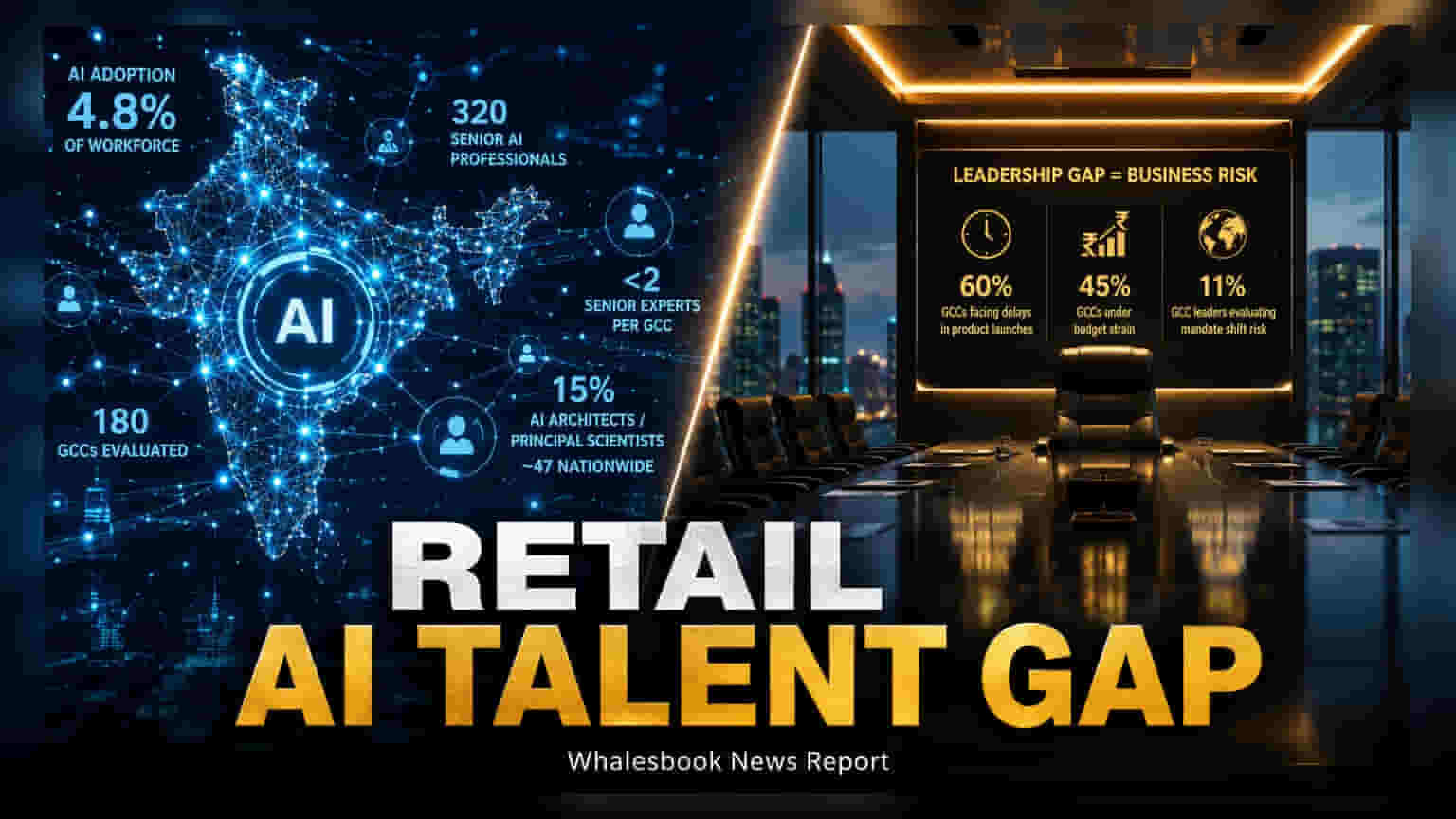
Data reveals a significant disparity between the scale of AI adoption and the availability of seasoned experts. Out of 180 evaluated GCCs, there are only 320 senior AI professionals with over eight years of experience. This averages to fewer than two senior experts per center, which is insufficient for companies looking to move beyond basic AI consumption toward building proprietary solutions. Most critically, only 15% of this small pool—roughly 47 individuals nationwide—are AI Architects or Principal Scientists, the professionals typically responsible for high-level strategy and complex system design.
For investors, this bottleneck creates several material risks. Nearly 60% of GCCs have reported delays in product launches or go-to-market plans directly linked to these talent shortages. Furthermore, 45% of centers are facing budget strain, as the intense competition for the limited pool of senior talent drives wage inflation well beyond initial projections. These rising costs can put pressure on profit margins, especially as firms struggle to maintain the cost-efficiency that typically justifies the creation of a GCC in India.
There is also a strategic risk regarding the sustainability of these operations. With competition for talent heating up, firms are finding that traditional recruitment strategies, such as poaching talent from competitors, are becoming ineffective and expensive. Companies are now shifting focus toward expensive internal transformation and training programs to cultivate leadership from within. While this addresses the root cause, it adds to the cost of execution and extends the timeline for seeing the benefits of AI investments.
Looking ahead, the stability of these operations is a key monitorable. About 11% of GCC leaders have already noted that global headquarters are evaluating whether to shift mandates to other geographies if these talent and operational constraints are not resolved. For investors, the next important update will be management commentary regarding the successful scaling of AI projects and the impact of hiring costs on overall operating margins. Tracking how efficiently firms can build internal AI leadership, rather than relying on the open market, will be vital to assessing the long-term viability of their digital transformation roadmaps.