

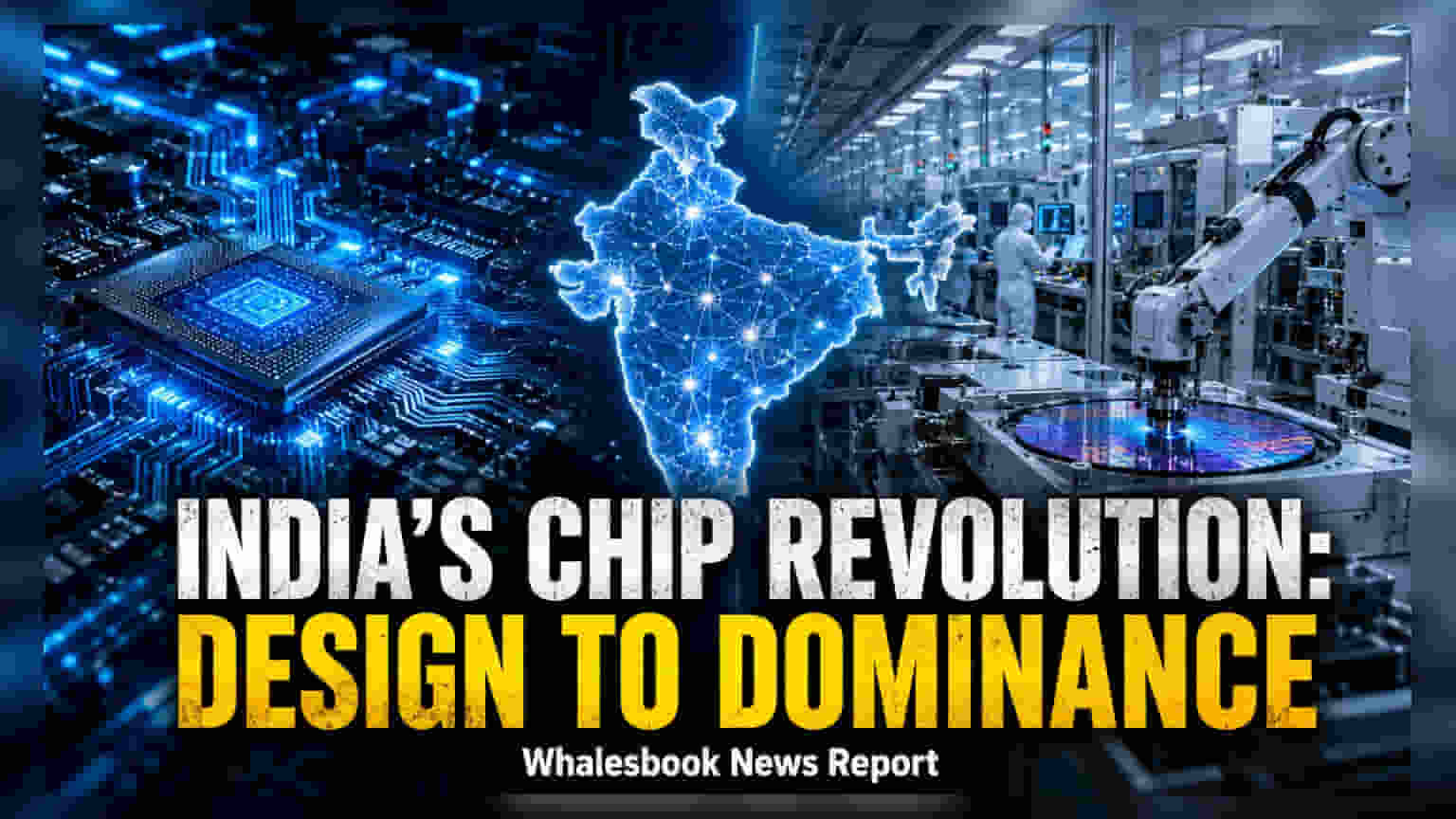
India is working to transition its well-established chip design expertise into large-scale semiconductor manufacturing. This strategic shift aims to help the country move up the global technology value chain and reduce reliance on overseas chip production. Investors are monitoring this transition as companies and the government collaborate on building a domestic supply chain for high-end microchips.
India is leveraging its deep-rooted experience in chip design to enter the capital-intensive world of semiconductor manufacturing. For years, Indian engineers have been integral to the global semiconductor supply chain, providing essential design and verification services for international giants. The current objective is to translate this intellectual foundation into a physical production base, moving beyond services to build actual wafer fabrication facilities and assembly units.
Building Domestic Manufacturing Infrastructure
The move toward domestic production is supported by the central government's incentive programs, which aim to lower the high cost of setting up semiconductor fabrication plants, or fabs. These facilities require massive capital spending and access to advanced clean-room technology, which often presents significant risks regarding project execution and long-term cost recovery. Unlike the service-oriented design business, manufacturing involves high fixed costs, complex supply chain logistics, and exposure to volatile global commodity prices for raw materials like silicon and specialized gases.
Strategic Challenges and Investor Monitorables
While design prowess provides a business advantage, manufacturing success depends on how well companies can manage the transition to a high-debt, high-execution-risk model. Investors should note that semiconductor manufacturing is a long-term game; it typically takes several years for new facilities to reach full utilization, which is the stage where a plant produces enough chips to become profitable. Consequently, firms involved in this expansion may see pressure on their cash flow and profit margins in the near term as they incur heavy spending before revenue stabilizes.
Competition is also a major factor. Established hubs in East Asia possess decades of experience and scale, which can make it difficult for new Indian entrants to secure competitive pricing against international peers. Success will largely depend on the ability of domestic players to achieve high manufacturing yields—the percentage of usable chips produced from a wafer—and to secure long-term purchase agreements with global electronic device manufacturers.
The next important update for market observers will be the commissioning timelines for the announced fabrication plants. Tracking the progress of these projects, along with the actual debt-to-equity ratios of the participating companies, will provide clarity on whether the domestic semiconductor ecosystem can achieve the intended scale without putting excessive pressure on the balance sheets of the companies involved.