

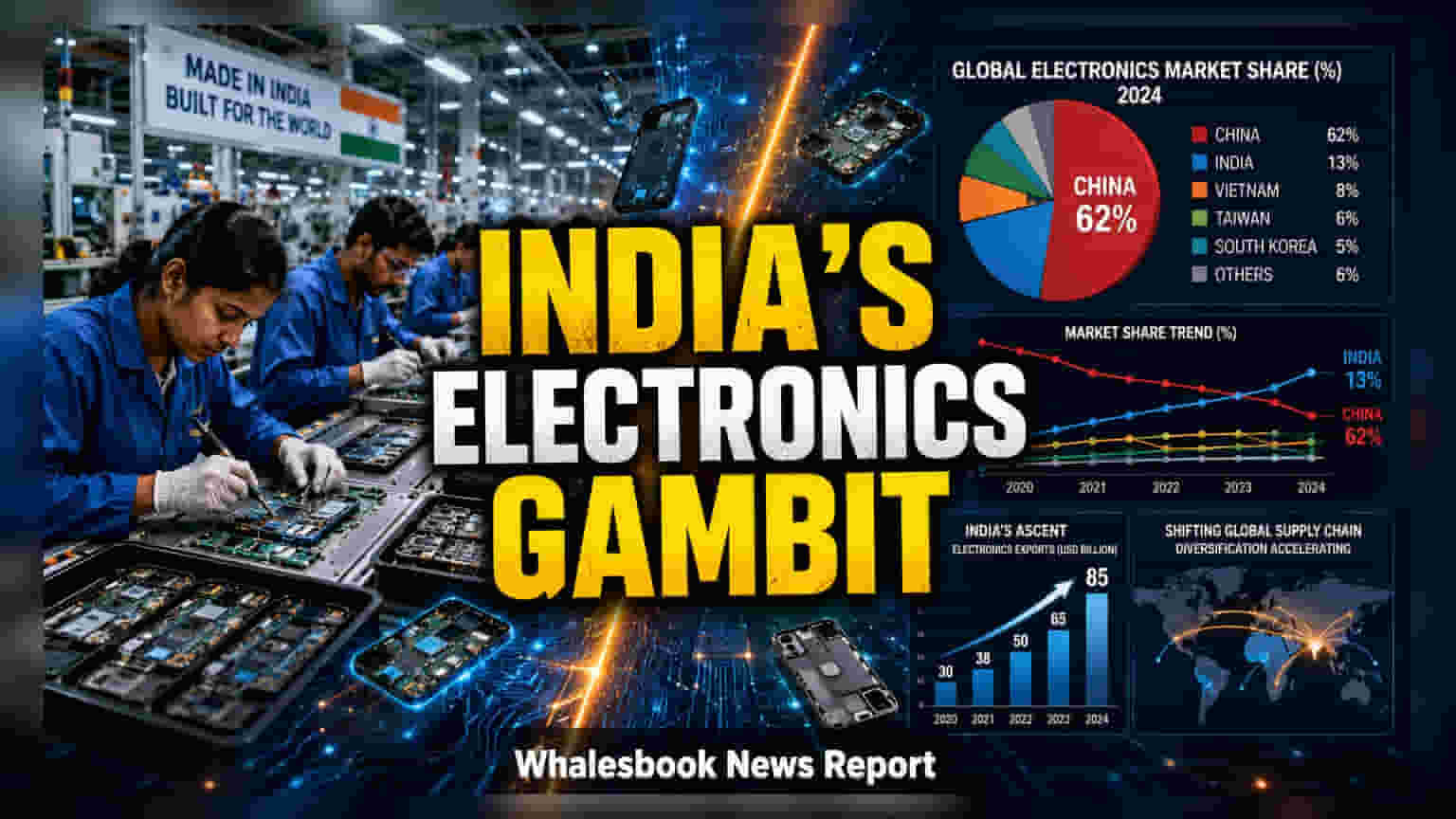
The Indian government has announced fresh incentives worth approximately ₹1.9 trillion to boost smartphone and semiconductor manufacturing. This policy aims to deepen local value addition and reduce reliance on imported components, marking a shift from mere assembly toward research and domestic production by 2031.
The Indian government has unveiled a comprehensive financial support package to strengthen the country's position in the global electronics value chain. This new initiative includes approximately ₹625 billion allocated for smartphone manufacturing over the next five years, alongside a massive ₹1.28 trillion commitment dedicated to advancing semiconductor production, research, and design. The strategy represents a fundamental pivot from basic assembly to creating a localized ecosystem for critical electronic components.
Scaling Smartphone Manufacturing
The smartphone manufacturing program offers financial rewards tied to eligible sales, ranging from 2.25% to 5% for manufacturers. To encourage deeper integration, the government has added a 1.5% incentive for companies that source key sub-assemblies and components from within India. This comes as the country works to build on the presence of major global manufacturers, including Foxconn and the Tata Group, which have already expanded their local assembly capacity. Data from 2025 indicates that India holds an 18% share of global smartphone production, trailing significantly behind China’s 63%. The new program is designed to narrow this gap, with the government projecting total mobile-phone production to reach approximately ₹39 trillion by March 2031.
Semiconductor and Component Ambitions
Beyond assembly, the ₹1.28 trillion semiconductor initiative focuses on the entire value chain, including chip design, materials, and specialized manufacturing equipment. For years, the domestic electronics sector has relied heavily on imported components, which often face cost volatility due to currency fluctuations. By incentivizing research, development, and domestic product design, the government aims to support both global players and homegrown brands, such as Lava and Micromax, which have previously faced intense competition from established international manufacturers. An additional 3% incentive is specifically earmarked for companies investing in local R&D and original product design.
Execution and Competitive Risks
While the financial support is substantial, the path to building a competitive electronics ecosystem involves significant hurdles. India must develop a robust supplier network and advanced engineering expertise to effectively compete with the mature manufacturing infrastructure found in China. Furthermore, the success of these incentives will depend on how efficiently companies can implement these projects. Past attempts to revive domestic brands have faced difficulties against aggressive pricing and distribution strategies from global competitors. Investors and industry stakeholders will closely monitor the program's impact on domestic value addition, the pace of factory commissioning, and the ability of the Indian component ecosystem to scale effectively over the coming years.