

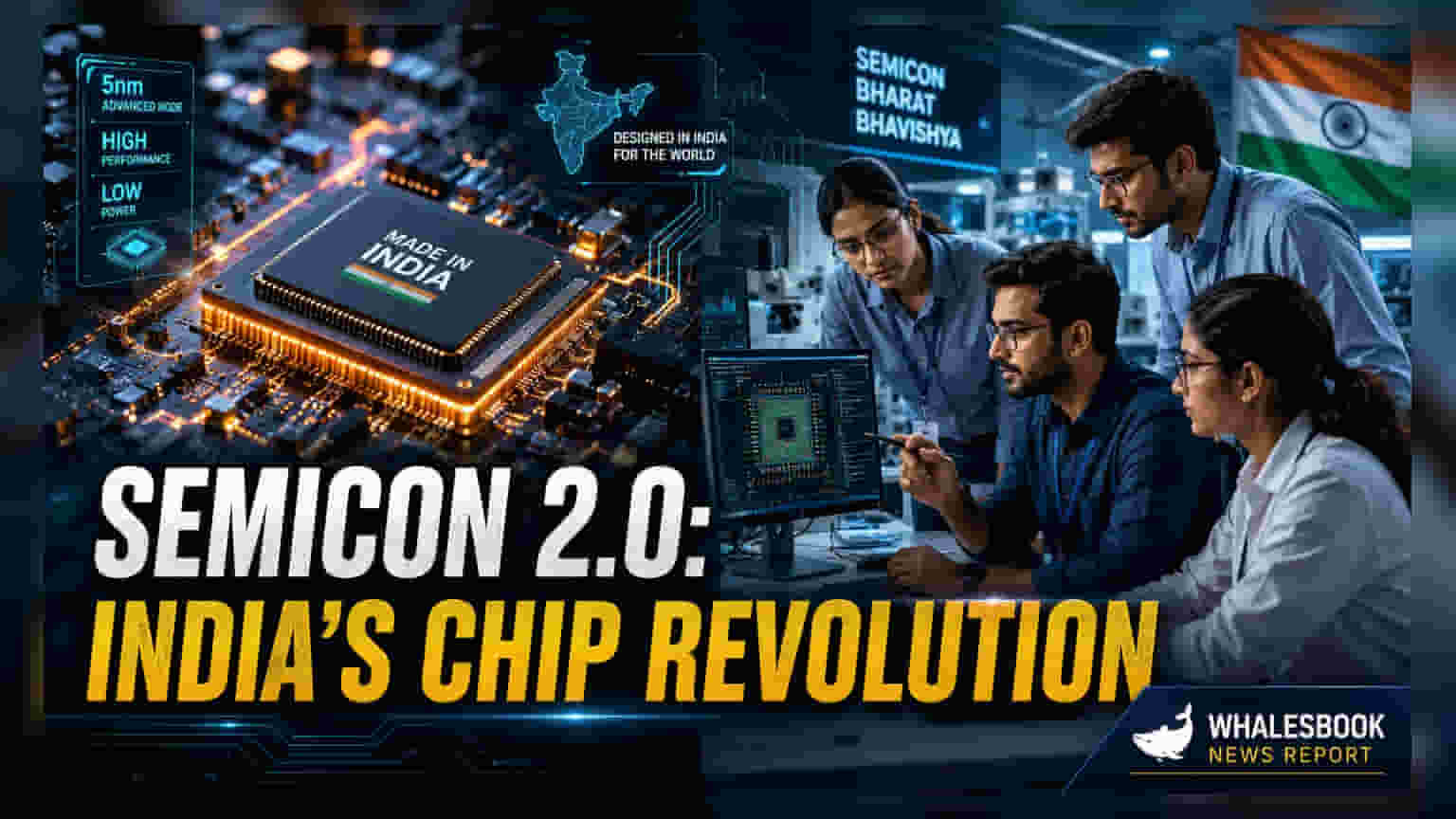
The Indian government is set to launch 'Semicon 2.0', extending financial support beyond chip manufacturing to include design startups and material suppliers. This initiative aims to build a self-reliant domestic supply chain and reduce the country's dependence on imported chemicals and gases for semiconductor production.
The Indian government is preparing to roll out the second phase of its semiconductor initiative, known as Semicon 2.0. While the initial phase focused heavily on attracting large-scale chip fabrication and assembly units, this new version aims to broaden the scope by providing incentives to the entire semiconductor ecosystem. This includes support for chip design startups as well as domestic manufacturers of the specialized chemicals, gases, and raw materials essential for modern chip production.
Building a Complete Supply Chain
According to Amitesh Kumar Sinha, CEO of the India Semiconductor Mission, the strategic goal is to move beyond just assembly lines. A modern semiconductor fabrication plant requires a complex network of approximately 200 to 250 specialized chemical and material inputs, most of which are currently imported. By offering incentives to these suppliers, the government hopes to encourage them to establish local manufacturing bases. This could potentially lower production costs for domestic fabricators over time by reducing logistics and import-related expenses.
Status of Current Semiconductor Projects
The first phase of the mission has already laid the groundwork with the approval of 12 projects focused on chip design, fabrication, and packaging. Several major facilities are already showing progress. For instance, Micron Technology’s assembly and test facility, along with projects from CG Power-Renesas and Kaynes Semicon for packaging, have already reached the production stage. These projects serve as the foundation for the broader ecosystem that the government now aims to support through Semicon 2.0.
Investor Considerations and Risks
For investors, this shift indicates a long-term commitment to deepening India's industrial capabilities in electronics. However, the semiconductor sector is capital-intensive and requires high-precision manufacturing standards. Companies entering this space—particularly smaller design firms and chemical suppliers—face challenges related to technology adoption, high operational costs, and the need for a highly skilled workforce. Furthermore, the success of these incentives will depend on how effectively they bridge the gap between initial design and full-scale commercial manufacturing. Investors tracking this space may monitor the specific policy details and eligibility criteria once the final rules are announced, as these will define which companies and sectors are the primary beneficiaries of the new incentives.