

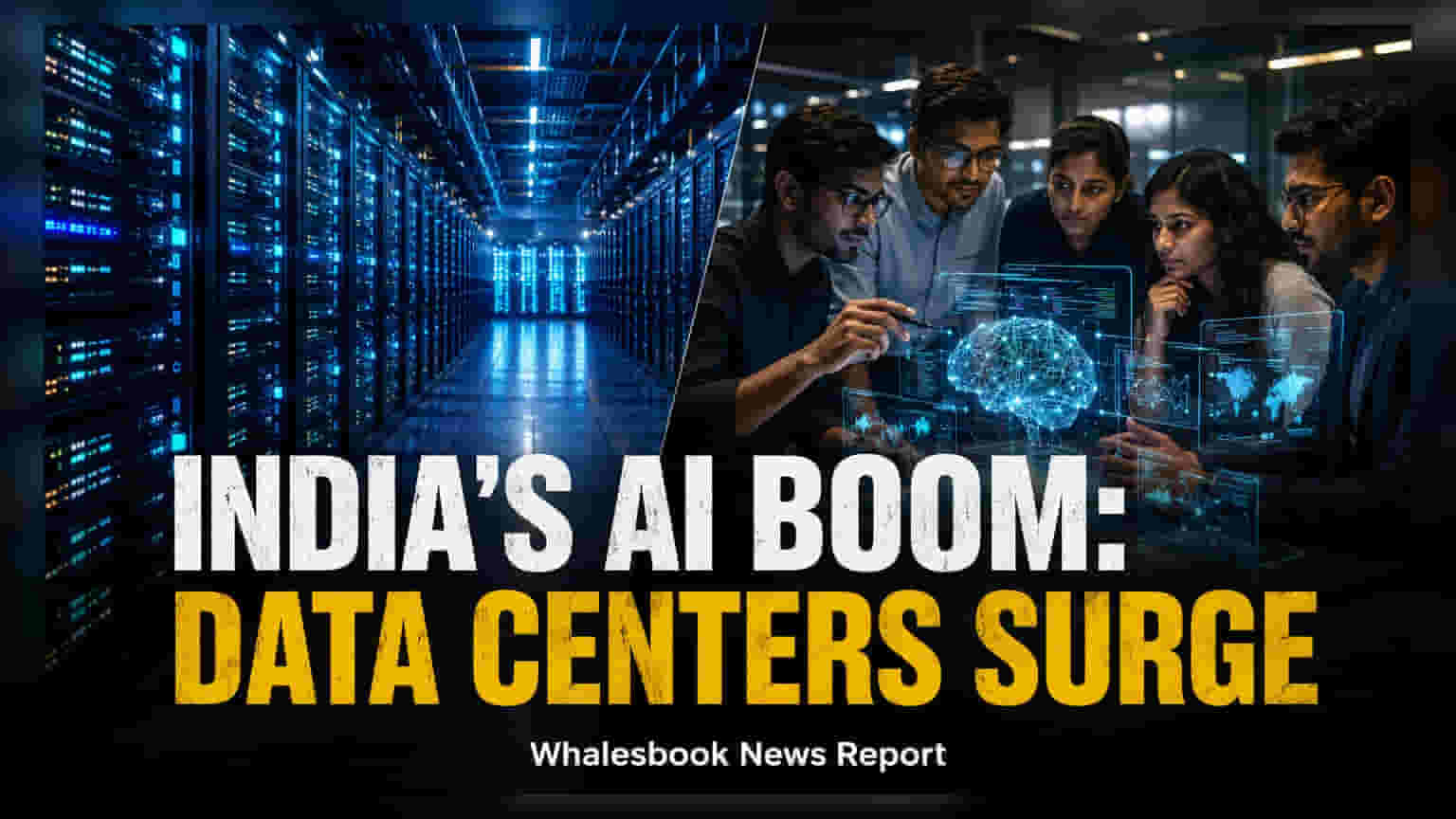
India's data center capacity has grown over four times since 2020, reaching 1,575 MW as of August 2026. The surge is largely driven by the IndiaAI Mission and increased demand for AI-ready infrastructure. Investors should track potential risks including power grid constraints, high water usage, and volatile hardware supply chain costs.
India’s digital infrastructure has expanded rapidly, with installed data center capacity reaching 1,575 megawatts (MW) as of August 2026. This represents a more than fourfold increase from the 375 MW recorded in 2020. The significant growth reflects the rising demand for high-performance computing as the country accelerates its adoption of artificial intelligence and digital services.
AI Mission Fueling Growth
A major driver of this capacity increase is the government's IndiaAI Mission, which aims to build a sovereign AI infrastructure. By August 2026, the initiative has provisioned over 45,000 Graphics Processing Units (GPUs) for shared computing. The program has already supported 237 distinct projects, with users consuming over 93 lakh GPU hours to train and test AI models. This public support is designed to lower the cost of computing for startups and researchers, thereby encouraging the development of indigenous AI foundation models.
Expanding Beyond Traditional Hubs
While data centers have historically been concentrated in major metros like Mumbai, Chennai, and Bengaluru, the industry is witnessing a shift. New investments are moving into states such as Andhra Pradesh, Madhya Pradesh, Chhattisgarh, and West Bengal. This geographic diversification is intended to balance the infrastructure load and tap into regions with better land availability and potentially lower operational costs.
Operational and Financial Risks
While the sector is growing, it faces specific challenges that impact operational efficiency and returns. Reliable, high-density power connectivity remains a critical risk, as grid infrastructure in some regions has struggled to keep up with the intense energy needs of modern data centers. This can lead to project delays or higher reliance on backup power, which increases costs.
Additionally, high-density computing requires massive cooling systems, raising sustainability concerns in regions where water resources are already strained. From a financial perspective, the industry is exposed to supply chain volatility for essential hardware like GPUs, DRAM, and NAND chips. Rapid changes in technology also mean that specialized hardware can lose value quickly. Operators must manage these costs carefully to ensure long-term profitability, as potential under-utilization of high-cost capacity could affect project returns.
Going forward, stakeholders will likely monitor the stability of power supplies, water usage efficiency, and the ability of operators to maintain sustainable hardware costs as AI workloads continue to expand.