 Whalesbook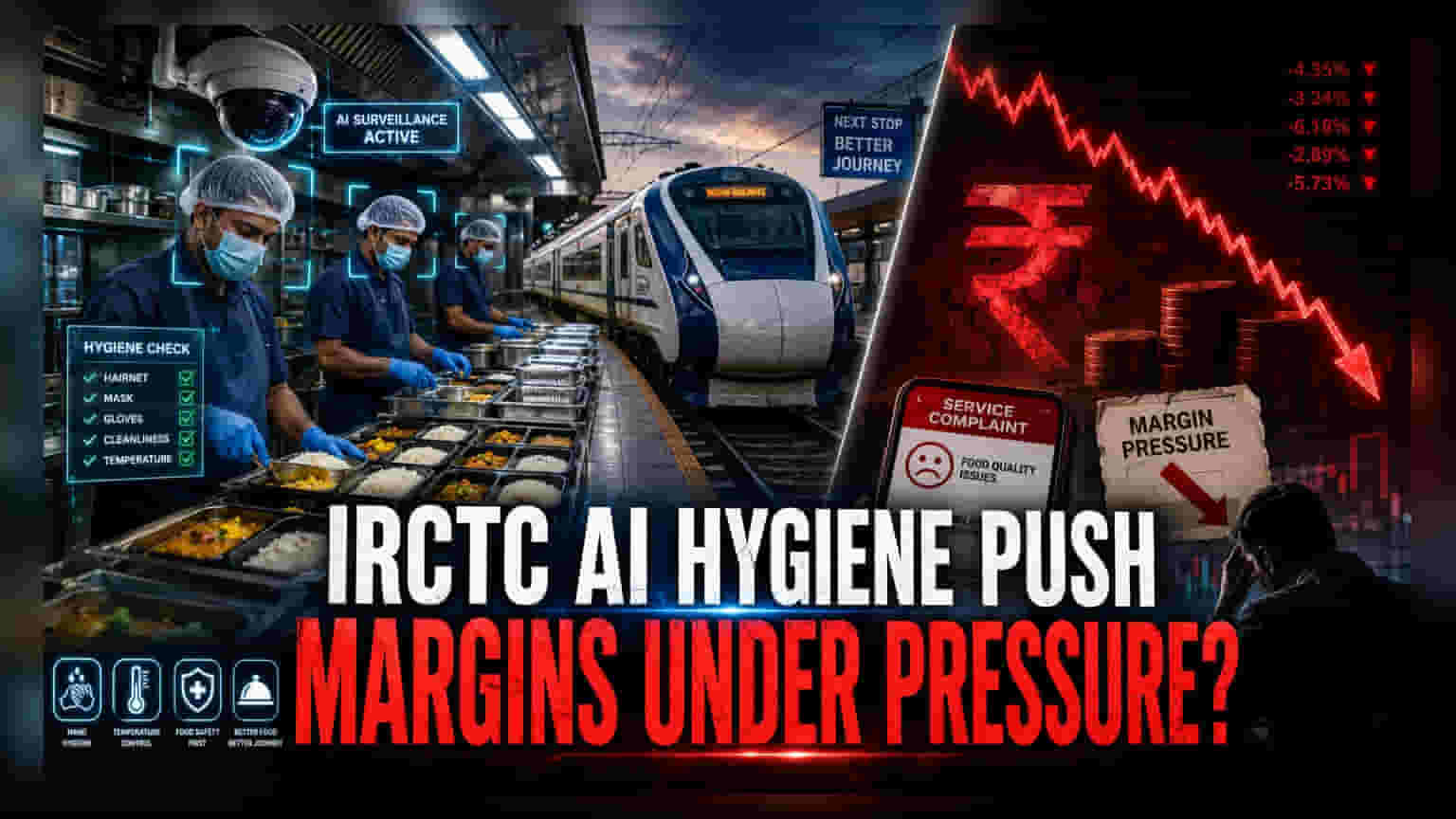


The Digital Veneer of Hygiene
Indian Railway Catering and Tourism Corporation (IRCTC) has expanded its AI-based surveillance network to over 800 kitchens, aiming to automate the oversight of meal preparation. By deploying 2,394 cameras to monitor nine hygiene markers—ranging from hairnet adherence to pest presence—the company hopes to mitigate a recurring reputation crisis. The system generates roughly 350 alerts daily, with the North Zone leading in recorded violations. While these metrics suggest a more disciplined operational approach, the rollout occurs against a backdrop of persistent service complaints and structural financial challenges that have weighed heavily on the company's valuation.
The Margin Reality Check
The push for automated oversight serves as a strategic pivot to address the service deficiencies that often trigger public backlash. However, investors remain preoccupied with the company’s bottom line, which has recently faced intense pressure. Despite steady revenue growth, IRCTC is grappling with margin contraction—dropping to a three-year low of 27.3% in recent quarters. Fundamental analysts point to an unfavorable business mix as a primary culprit: growth is disproportionately coming from lower-margin segments like catering and tourism, while the high-margin internet ticketing business has reached market saturation. This shift has forced a significant de-rating of the stock, which is currently trading near its 52-week low of ₹492.65, a far cry from its historic premiums.
The Forensic Bear Case: Regulation and Execution
The narrative of technological modernization is frequently undercut by reality-based operational risks. The Food Safety and Standards Authority of India (FSSAI) has recently issued notices to the company following viral social media reports of unhygienic practices, such as utensil washing in train toilets. Such incidents highlight that even the most advanced camera networks cannot guarantee compliance if institutional accountability is lacking. Furthermore, ongoing litigation, including consumer court rulings against the national carrier for service failures, continues to erode public trust. Unlike leaner, private-sector logistics competitors that utilize automated compensation models to handle reputational damage, IRCTC remains tethered to a rigid, state-controlled operational structure that struggles to respond to incidents with the required speed or consistency.
Market Outlook and Valuation
Market sentiment has turned cautious, with institutional analysts revising price targets downward as the 'monopoly growth' story faces exhaustion. With the stock trading at a trailing twelve-month P/E ratio of approximately 29.6x, it is significantly undervalued compared to its long-term historical average, yet this discount reflects growing uncertainty regarding future EPS delivery. Future performance depends less on new AI gadgets and more on the company's ability to stabilize margins and navigate the shifting policy landscape of Indian Railways. As management shifts focus toward non-convenience fee revenue streams, the reliance on top-line volume growth alone may prove insufficient to restore previous shareholder optimism.