

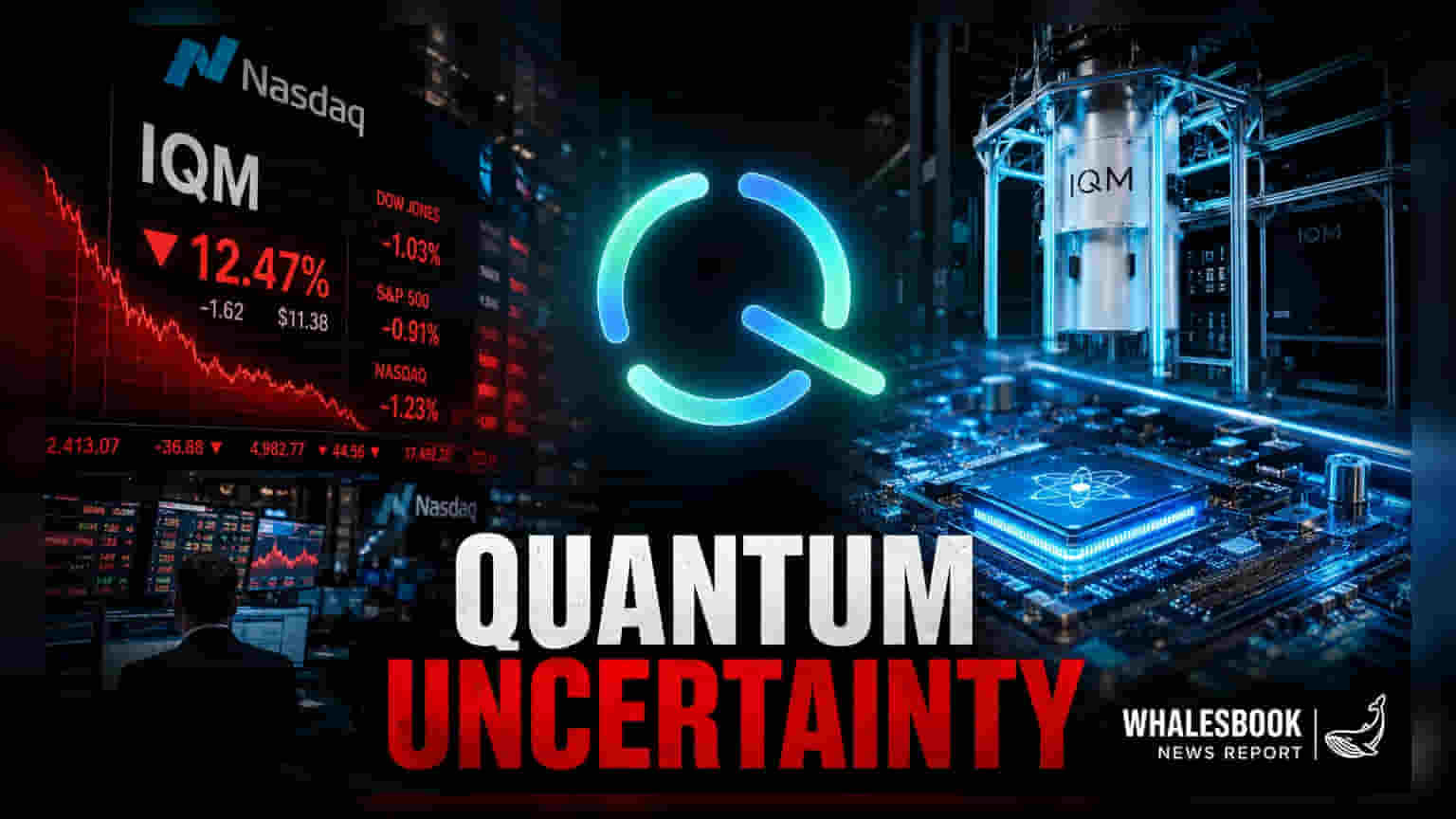
European quantum firm IQM has listed on the Nasdaq via a SPAC merger, raising approximately €198 million in new liquidity. While the company is growing its client base, shares traded below the initial price as management flagged significant uncertainty regarding the long-term commercial success of quantum technology.
What Happened
Finland-based quantum computing company IQM has officially begun trading on the Nasdaq under the ticker IQMX. The company reached the public market through a SPAC merger, achieving a valuation of approximately $1.9 billion. The listing provided the firm with about €198 million in new capital to support its ongoing research and expansion. Despite the high-profile entry, the company's stock price saw a soft start, trading below its initial offering level on its debut day, reflecting a cautious investor sentiment toward the emerging quantum sector.
Why Investors Are Cautious
The subdued market reception is tied to clear language in the company’s own filings. IQM openly disclosed that large-scale commercial success for quantum computing remains uncertain and may potentially never occur in the way many expect. This cautionary statement highlights the gap between current laboratory achievements and widespread commercial viability. For investors, this creates a situation where the company must balance long-term research ambitions with the immediate need to prove its business model can eventually generate sustainable profits.
Current Business And Revenue Model
Despite the risks surrounding the technology's future, IQM is actively generating revenue by selling its quantum computers to research and data centers. Its client list has grown from 8 organizations in 2024 to 22 by 2025, including institutions like the VTT Technical Research Centre of Finland. The company also provides cloud-based access to its computing time. These initial applications focus on specialized tasks such as simulations and optimization problems, which are less complex than the future breakthroughs required for widespread industry disruption.
The Quantum Advantage Goal
The long-term value for shareholders will depend on reaching what is known as quantum advantage—the point at which quantum machines outperform traditional computers in a wide variety of tasks. This remains a highly uncertain milestone, with no guaranteed timeline. While sectors like finance and biotechnology could be transformed if this technology scales, the heavy spending required to reach that point may keep profit margins under pressure for the foreseeable future.
Government Support And Expansion
IQM has secured significant backing, including over €200 million in European government support and continued interest from Finland’s sovereign wealth fund, Tesi. The company is also positioning itself to benefit from U.S. government initiatives, having established a quantum technology center in Maryland and deployed systems at national laboratories. This international footprint is part of a strategy to remain competitive in a field where large-scale government funding and global talent are the primary drivers of progress. Investors will likely track the company's ability to convert these government-backed projects into a self-sustaining commercial business as the technology matures.