

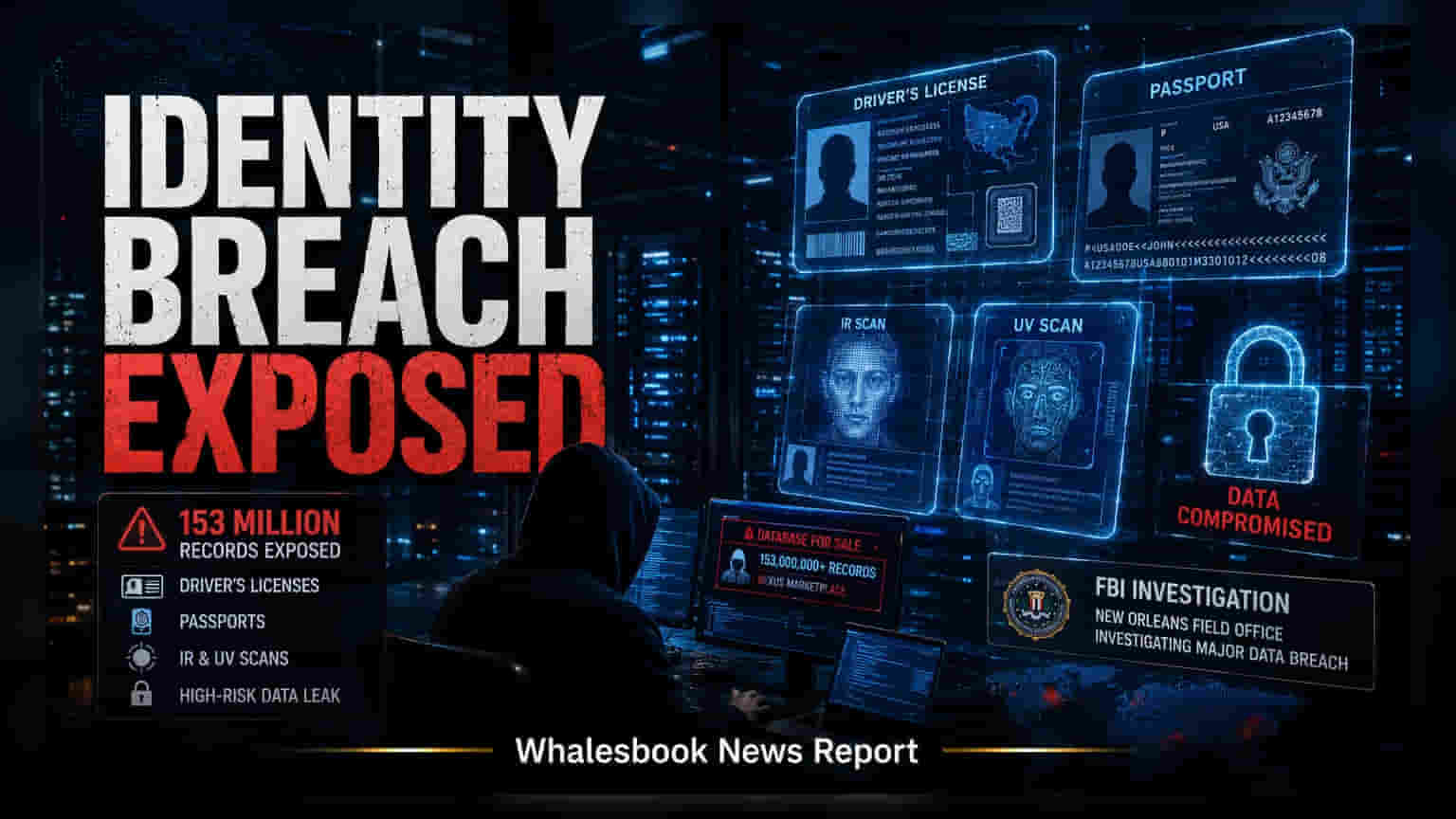
A major data breach at IDScan.net has compromised 153 million government-issued ID records, including sensitive biometric scans. The FBI has launched an investigation into the incident, which surfaced on a dark web marketplace. For investors, this event underscores the systemic operational risks and potential regulatory liabilities facing companies that collect and store massive volumes of sensitive personal information in the digital ecosystem.
IDScan.net, a Louisiana-based identity verification provider, is under investigation following a massive data breach that exposed approximately 153 million personal records. The incident came to light after security researchers discovered a database for sale on a dark web marketplace known as Nexus. The exposed information is significant in scale and sensitivity, reportedly including high-resolution front-and-back images of driver's licenses and passports, as well as infrared and ultraviolet scans used for verification.
The breach has drawn the attention of federal authorities, with the FBI's New Orleans field office launching an investigation. Among the records found in the leaked database were documents belonging to high-profile government officials, raising concerns about the potential for widespread identity theft and the exploitation of such data for fraudulent activities. Unlike a stolen password or credit card number, which can be reset, the compromise of government-issued identity documents presents a long-term risk to the victims, as these credentials are difficult to replace and fundamentally tied to a person's legal identity.
This incident highlights a critical point of concern for investors monitoring the digital economy: the risk of centralized data storage. Many companies, ranging from fintech startups to large e-commerce platforms, rely on third-party verification services to onboard users and meet regulatory "Know Your Customer" requirements. As these firms collect and store increasing amounts of sensitive data, they become high-value targets for cybercriminal organizations. When a breach occurs at the service provider level, the fallout can impact a vast network of corporate clients who may face regulatory scrutiny, loss of customer trust, and potential legal liabilities.
The event serves as a reminder of the evolving regulatory landscape regarding data privacy and cybersecurity. Globally, regulators are enforcing stricter data protection laws, and incidents of this magnitude often lead to more aggressive compliance mandates. Investors in the technology and financial sectors may need to pay closer attention to how companies manage data security risks, specifically regarding the choice of third-party vendors and the lifecycle management of stored personal information.
The immediate monitorable for the market is the outcome of the FBI investigation and any potential follow-up actions by data protection authorities. Additionally, investors should watch for any shifts in how corporations handle sensitive identity documentation, as companies may be forced to increase their spending on cybersecurity and audit processes to mitigate the risk of similar, costly failures in the future.