

India’s Global Capability Centers are aggressively hiring Forward Deployed Engineers, outpacing domestic IT services firms. This shift toward in-house AI development is driving up wage premiums and creating a competitive labor market that may pressure the profit margins of traditional IT providers.
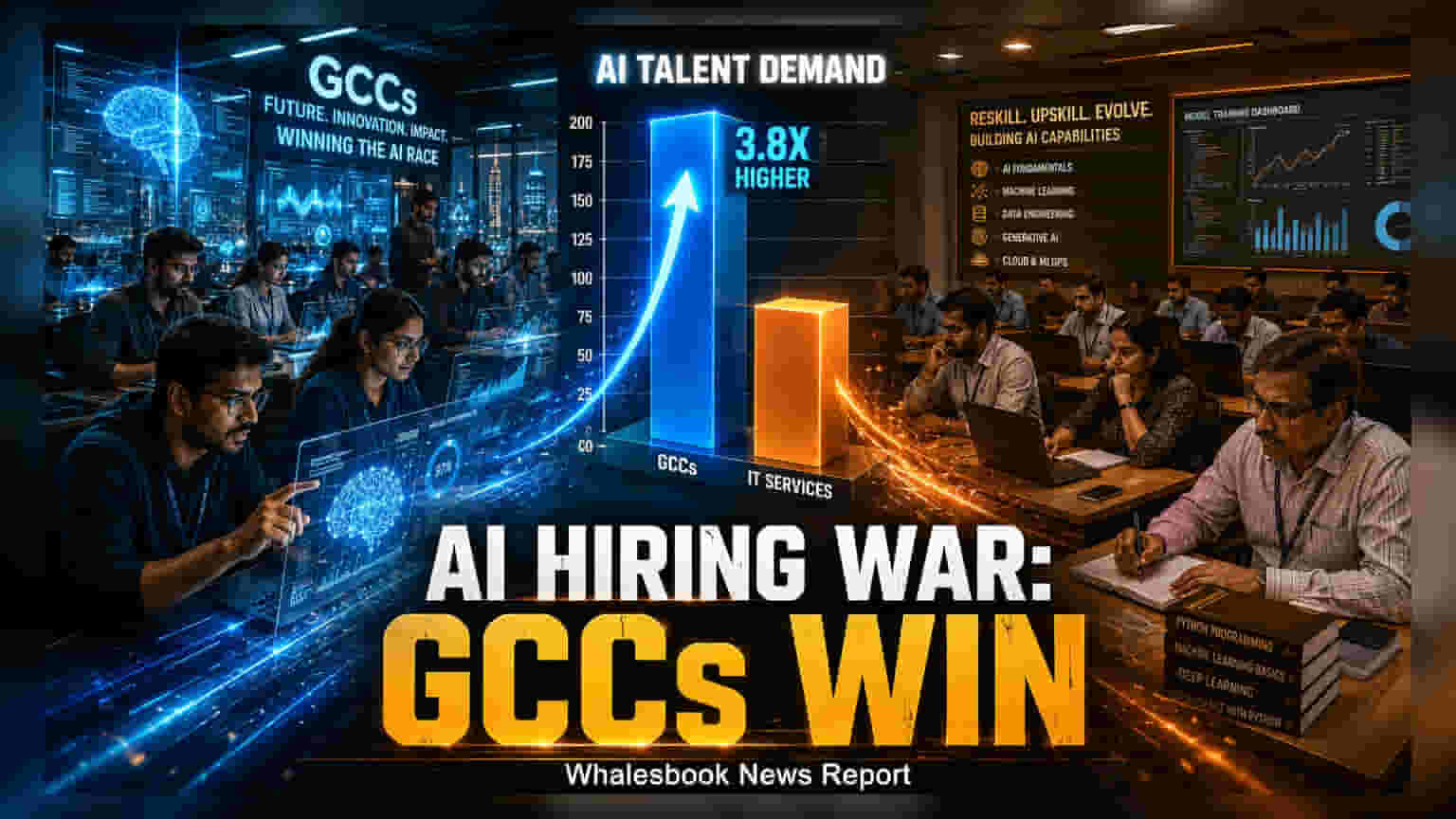
Global Capability Centers (GCCs) in India are currently moving faster than traditional IT services firms in the race to hire specialized artificial intelligence talent, specifically Forward Deployed Engineers. These engineers are essential as they act as a bridge between complex AI technology and actual business solutions. Data indicates that demand for these roles at GCCs grew by 55% to 65% over the past year, significantly higher than the 40% to 45% growth seen at IT services companies.
The role of a Forward Deployed Engineer has become critical because companies are now moving past simple AI experiments and focusing on real-world deployment. These professionals ensure that AI models work within existing company data, comply with regulations, and solve specific business problems. Job postings for these specialized positions have surged by 700% to 800% since early 2025, reflecting the intense need for talent that can deliver immediate results.
This shift creates a distinct financial and operational challenge for the broader technology sector in India. GCCs, which are often the local arms of multinational corporations, are aggressively hiring from the market and offering wage premiums 30% to 40% higher than standard tech roles. In contrast, traditional Indian IT services firms, which rely on large workforces, are prioritizing the reskilling and upskilling of their existing staff to manage costs.
Investors may note that this divergence in strategy carries risks for both sides. For Indian IT services firms, the struggle to retain talent while competing with the higher salaries offered by GCCs can put pressure on profit margins. If these companies cannot effectively bridge the skill gap through internal training, they may be forced to increase spending on lateral hiring, which often impacts operating margins.
On the other side, GCCs face their own hurdles. Despite the aggressive hiring, industry data suggests that a lack of experienced AI leadership—with AI literacy among leadership currently averaging only 27%—could limit growth. Furthermore, reports indicate that unresolved talent and skill shortages could put approximately 19% of the GCC sector's projected future value at risk by 2030 if companies cannot scale their teams effectively.
Looking ahead, market watchers will likely monitor quarterly results from major Indian IT companies for any signs of margin pressure related to employee costs. Additionally, the ability of both GCCs and IT services firms to maintain project timelines without high attrition rates will be a key indicator of their success in the competitive AI landscape.