

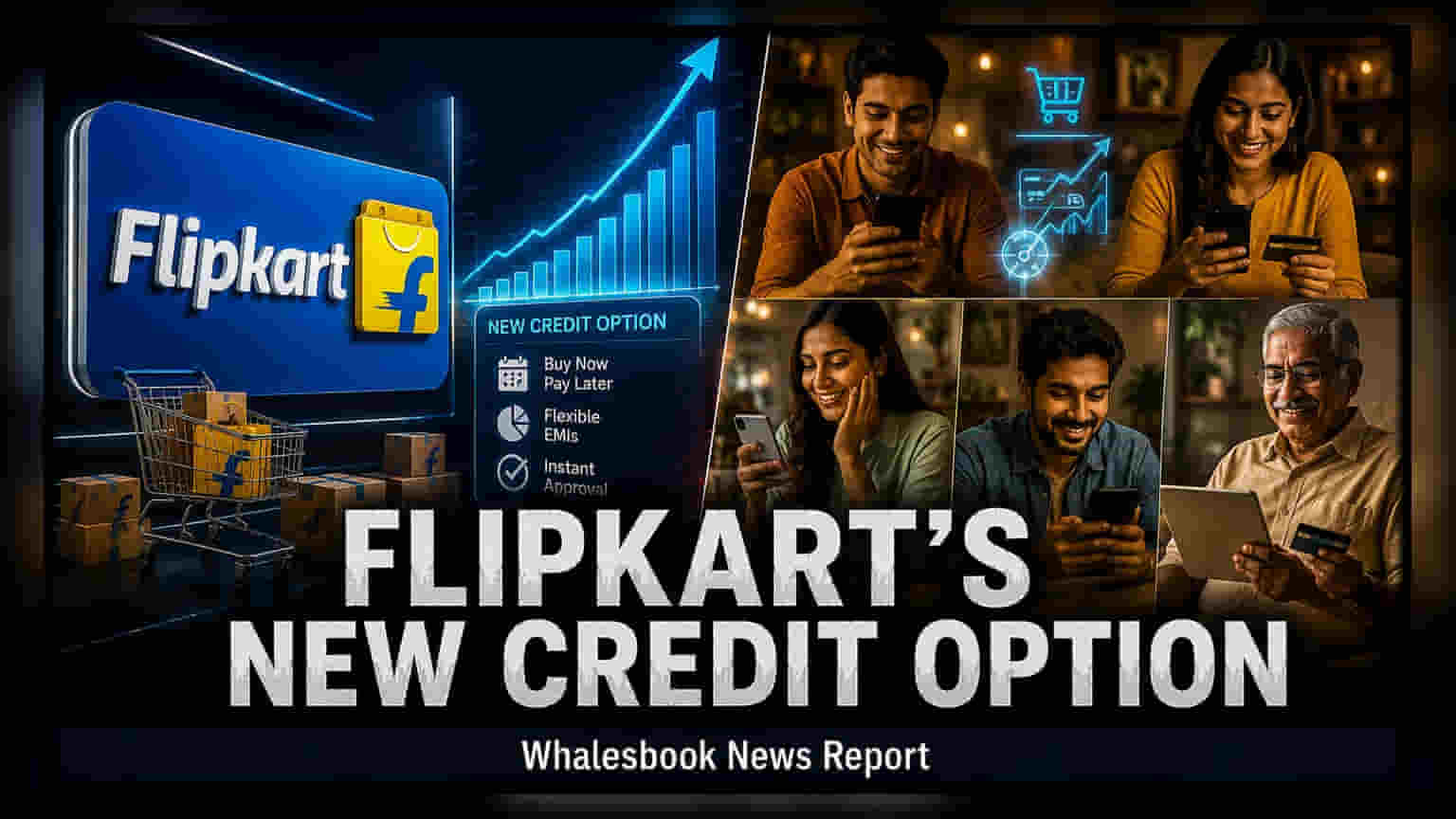
Flipkart has introduced an embedded credit facility allowing customers to choose between 30-day payments, installments, and EMIs on Flipkart and Myntra. The service, launched in partnership with PayU Finance, aims to increase sales by integrating financing directly into the checkout process.
Flipkart has officially rolled out its new embedded credit service, 'Flipkart Pay Later,' providing shoppers across its platforms, including Myntra and Flipkart Minutes, with flexible payment options directly at checkout. By offering alternatives to traditional upfront payments, the e-commerce platform aims to reduce purchase friction and increase transaction values.
Repayment Flexibility and Options
The new service offers three distinct repayment structures designed to cater to different consumer needs. Customers can choose to settle their purchases within 30 days, opt for a 'Pay in 3' plan that splits the total cost into three equal installments, or select longer-term Equated Monthly Installments (EMIs) ranging from three to 12 months. These EMI options are specifically targeted at higher-value product categories such as electronics, home appliances, and furniture, which often require more flexible financing to drive consumer demand.
The Role of PayU Finance
Flipkart is executing this credit strategy in partnership with PayU Finance, the non-banking financial company (NBFC) division of PayU. In this arrangement, PayU Finance acts as the licensed lender, ensuring compliance with regulatory lending norms. Flipkart, meanwhile, leverages its vast database of customer transaction history and purchasing habits to conduct credit assessments. By combining its internal platform data with PayU Finance’s risk management protocols, the company intends to determine credit eligibility and set limits for individual users.
Market Strategy and Risks
This move aligns with a broader shift in the Indian e-commerce sector, where platforms are increasingly transforming into financial services ecosystems to drive customer loyalty and higher average order values. By integrating credit directly into the point of sale, Flipkart reduces the likelihood of cart abandonment. However, for investors, this shift into credit involves inherent risks. The company will need to balance the push for higher sales with the risk of potential loan defaults and rising non-performing assets. Maintaining healthy recovery rates while using unconventional data signals for credit scoring will be a significant operational challenge. Additionally, the company has indicated that it may onboard further lending partners in the future to scale the service. Investors will likely monitor how this credit book affects the company's long-term cash flow and whether the increased customer convenience leads to a sustainable improvement in profit margins versus the associated costs of credit risk management.