

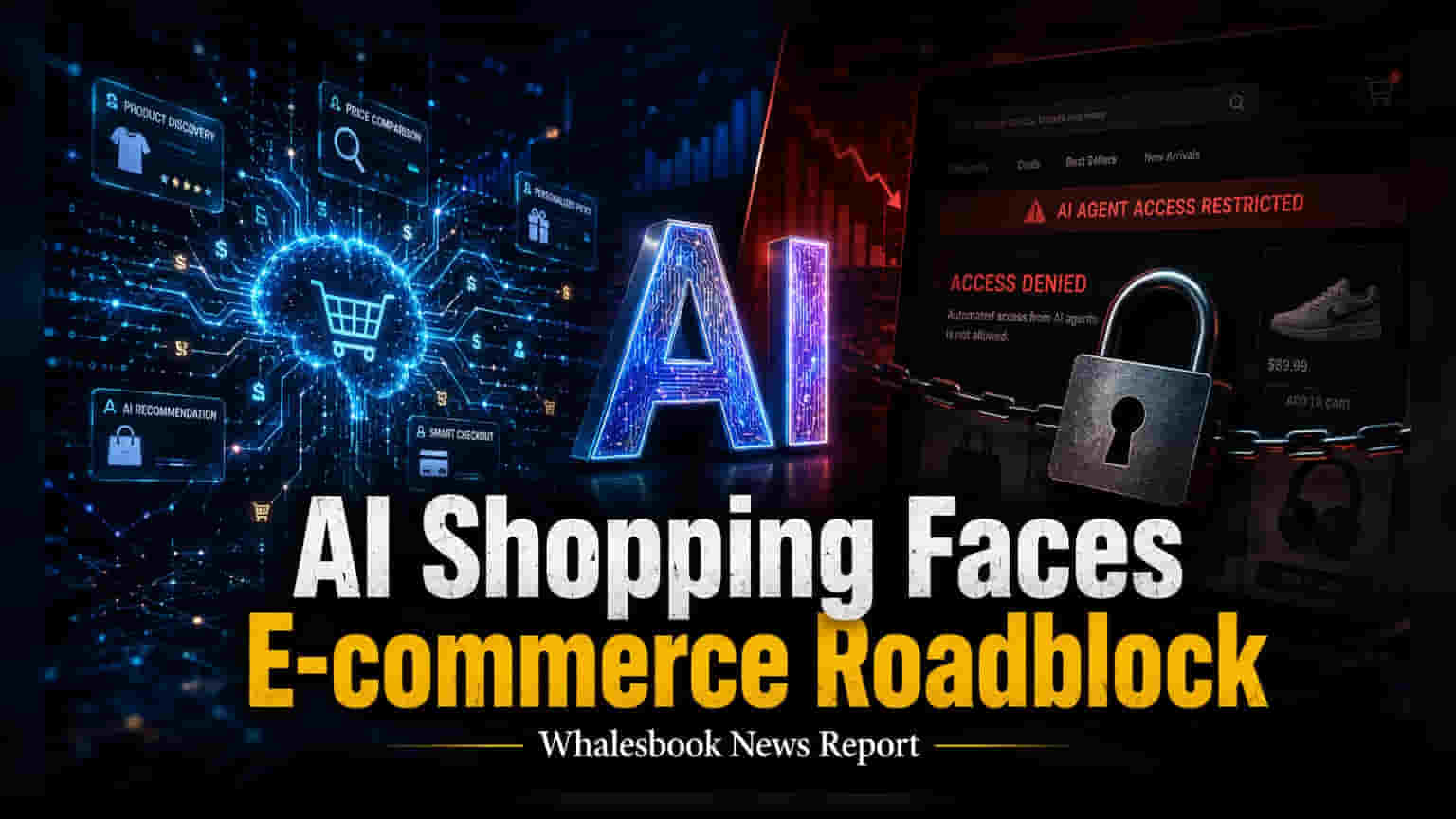
Indian payment companies are building infrastructure for AI-led autonomous shopping, but major e-commerce platforms are blocking integration. These platforms fear AI agents will bypass their own recommendation engines and reduce impulse sales, potentially delaying the adoption of fully automated commerce by several years.
Detailed Coverage
A new tension is emerging in India’s digital economy as payment firms and e-commerce platforms clash over the future of shopping. Payment companies are actively developing infrastructure to allow artificial intelligence agents to browse, compare, and purchase products on behalf of users. However, these plans are meeting resistance from large online shopping platforms that are hesitant to open their systems to autonomous software.
The Conflict Over User Discovery
At the heart of the disagreement is the business model of digital marketplaces. For years, platforms like Amazon, Flipkart, and others have invested heavily in algorithms designed to discover products and provide personalized recommendations to shoppers. These tools are built to guide user behavior and encourage additional purchases. In contrast, AI agents are designed to follow specific user instructions to find the best deal or item quickly, effectively bypassing the platform's own discovery tools. Because these agents focus on efficiency rather than browsing, platforms worry they may lose control over the user experience and, more importantly, the chance to influence purchasing decisions.
Impact on Platform Revenue Models
Beyond the control of discovery, platforms are concerned about how AI agents could influence their bottom line. A significant portion of e-commerce revenue is driven by impulse buying—a behavior that AI agents are unlikely to replicate. Since these agents operate based on strict parameters set by the user, they tend to ignore promotional banners or recommended items that usually lead to higher transaction values. Additionally, if an agent is programmed to continuously monitor prices and purchase only when costs are at their lowest, the pricing power and margins that platforms currently enjoy could face significant pressure.
Security and Trust Concerns
Beyond the strategic business disagreement, there are tangible security risks that e-commerce players are highlighting. Allowing external AI agents to interact directly with internal checkout systems requires significant trust and robust authentication. Without clear industry standards, companies are wary of potential fraud or unauthorized purchases made via these bots. The industry remains cautious following high-profile global disputes, such as the legal action taken by Amazon against AI platform Perplexity last year regarding concerns over unauthorized browser agent activities.
What Investors Should Monitor
For the industry, the current focus of many e-commerce platforms is limited to simple, controlled chatbots rather than full, end-to-end autonomous shopping agents. For investors, the key monitorable will be whether a standard protocol emerges that allows AI agents to interact securely with e-commerce systems without completely disintermediating the platforms. Until this standoff is resolved, the transition to fully autonomous shopping is likely to remain in the early testing phase, potentially taking two to three years before seeing widespread, scalable adoption.