

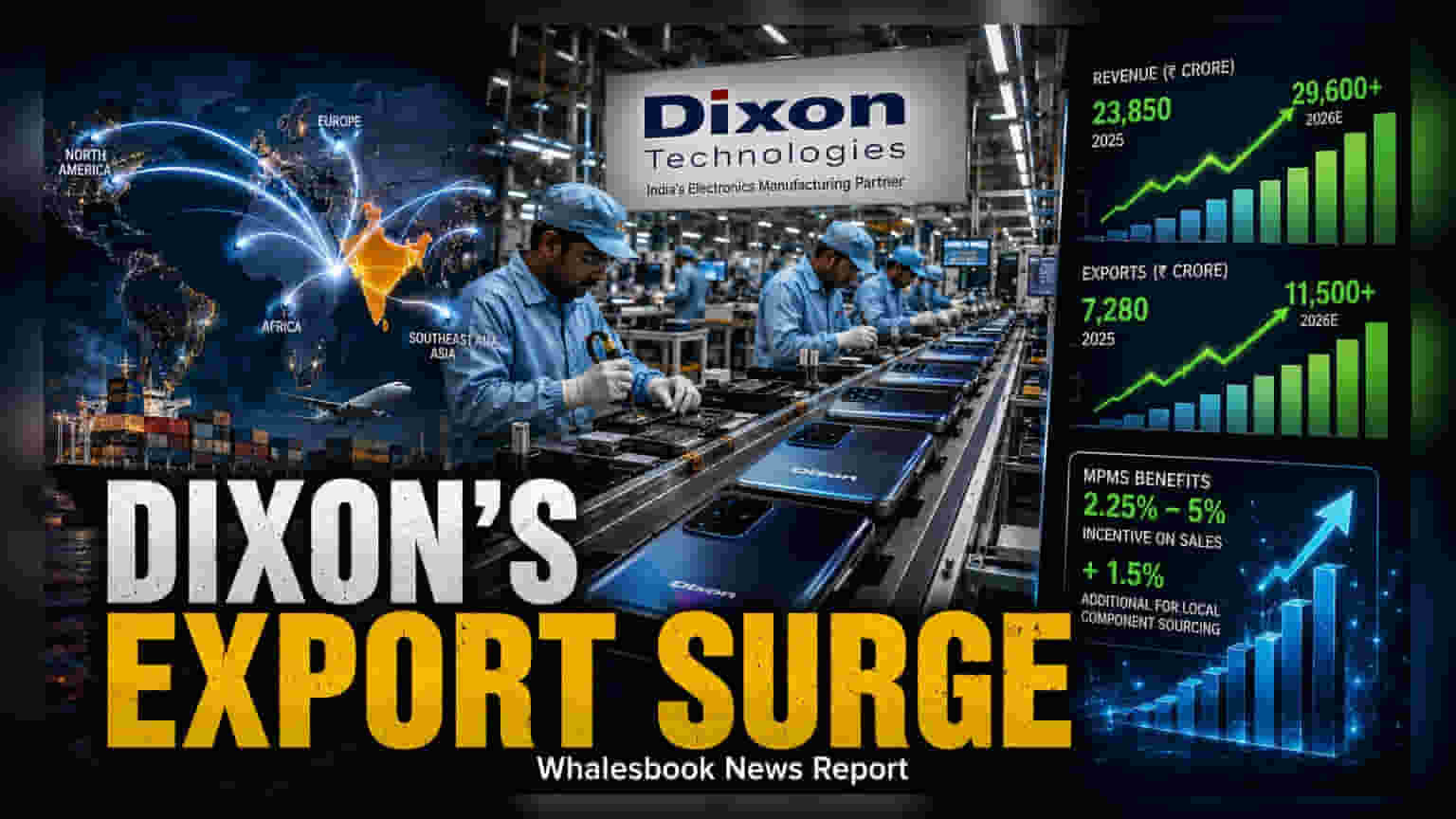
India’s new Mobile Phone Manufacturing Scheme (MPMS) offers incentives to boost electronics manufacturing, but success for companies like Dixon Technologies depends on hitting strict 15% annual growth targets. While analysts expect minor margin gains, the reliance on exports to meet these hurdles has created a cautious market sentiment.
On August 21, 2026, the Indian government officially notified the Mobile Phone Manufacturing Scheme (MPMS) with a total outlay of ₹62,500 crore. This policy, which runs through fiscal year 2031, is designed to incentivize electronics manufacturing, encourage domestic component sourcing, and significantly boost exports. For Dixon Technologies, a leading contract manufacturer in this space, the scheme provides a potential pathway to scale operations, though the actual benefit remains a subject of debate among market observers.
Potential Margin Gains vs. Growth Challenges
Kotak Institutional Equities recently analyzed the potential impact of the scheme, suggesting it could provide a modest boost of 14-22 basis points to Dixon’s profit margins. This expected improvement is linked to the scale of manufacturing and the scheme’s incentives, which offer 2.25% to 5% on sales, with an additional 1.5% for companies that source components locally. Essentially, as Dixon increases its production volumes and integrates deeper into the supply chain, the government support could help offset some costs and improve operational efficiency.
However, the benefits are not automatic. To qualify for these incentives, manufacturers must meet a "moving baseline" revenue growth target of 15% every year. This is a high hurdle. With domestic smartphone demand in India projected to grow at a much slower pace—roughly 1.8% CAGR through 2025—it is unlikely that domestic sales alone will satisfy the scheme's requirements. Some market analysts, including those at CLSA, have warned that Dixon and its client brands must significantly increase their export volumes to meet these 15% growth thresholds. If they fail to hit these targets, the promised incentives may not materialize.
Market Reaction and Sentiment
As of August 25, 2026, shares of Dixon Technologies were trading in the range of ₹14,400 to ₹14,463. The market response to the scheme has been cautious rather than overly optimistic. Trading data shows significant activity in put options near the ₹14,250 strike price, which indicates that some investors are positioning themselves for potential short-term volatility. This caution reflects the uncertainty surrounding whether the company can successfully navigate the scheme's stringent growth requirements and the pressure of balancing export expansion against potential global demand fluctuations.
For investors, the most critical monitorable in the coming quarters will be the execution of export strategies. Since the domestic market may not provide enough growth to qualify for the full benefits of the MPMS, Dixon's ability to partner with global brands and ramp up international shipments will be the deciding factor for its eligibility. Investors should pay close attention to management commentary in upcoming filings regarding their specific plans to achieve the 15% annual revenue growth hurdle.