 Whalesbook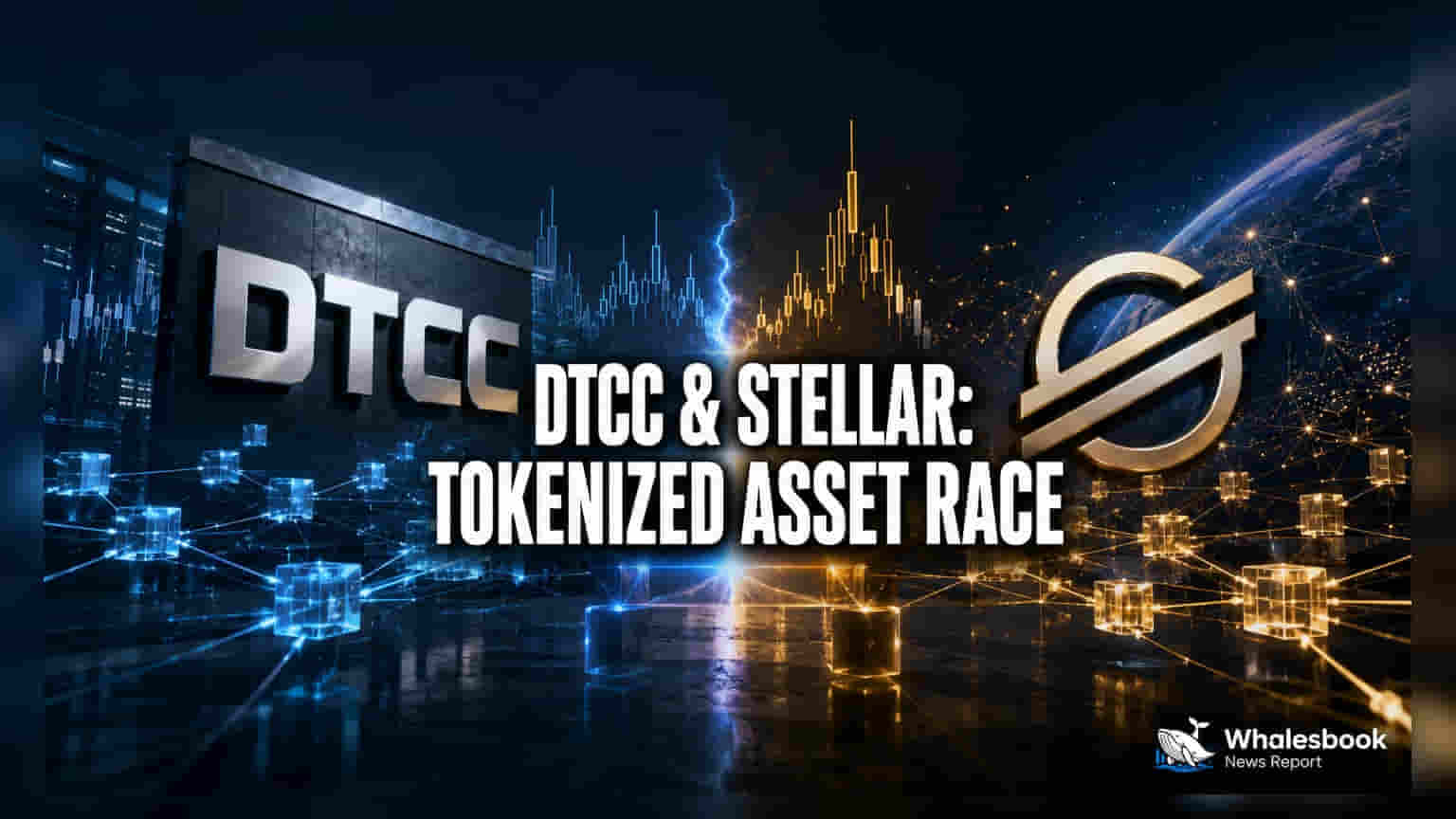


Shifting Wall Street's Infrastructure
The DTCC's decision to bring the Stellar network into its digital ecosystem marks a significant change in how Wall Street approaches distributed ledger technology. Instead of creating private, isolated systems, the industry is moving toward frameworks that are interoperable and public-permissioned. This suggests the DTCC is focused on making its services widely accessible and more efficient for traditional assets, especially by reducing the settlement friction common in stock and bond markets.
Competing in the Digital Asset Space
While competitors like Nasdaq and the Intercontinental Exchange have pursued separate digital asset initiatives, the DTCC's strategy appears more fundamental. By focusing on the core of the U.S. financial system—Treasury debt and major indices—the organization seeks to digitize the essential operations of capital markets. This initiative faces competition from firms such as BlackRock and JPMorgan, which are developing private blockchain solutions for asset tokenization. The success of the Stellar partnership will depend on Stellar's ability to match the institutional-grade security and performance of private blockchains used in systems like Onyx.
Navigating Regulatory and Structural Risks
Adopting blockchain for clearing introduces complexities beyond technical setup. The regulatory landscape is sensitive, as a move to real-time, tokenized settlement requires substantial updates to laws governing ownership and bankruptcy protections. Although the Securities and Exchange Commission has offered some guidance, a fully automated, multi-chain system could create systemic vulnerabilities. Imperfect synchronization of tokenized assets across different networks could lead to significant reconciliation errors. Moreover, relying on public networks like Stellar introduces protocol governance risks that traditional, centralized clearing systems are designed to avoid.
Long-Term Market Outlook
The integration of traditional assets onto a blockchain is a long-term capital investment. With a planned rollout in early 2027, immediate revenue impacts are expected to be minimal. Widespread institutional adoption will depend on demonstrating significant reductions in margin requirements and capital lock-up periods. As pilot programs begin later this year, observers will watch if these digital offerings can match the liquidity of their traditional counterparts or if they remain specialized tools for high-frequency trading.