

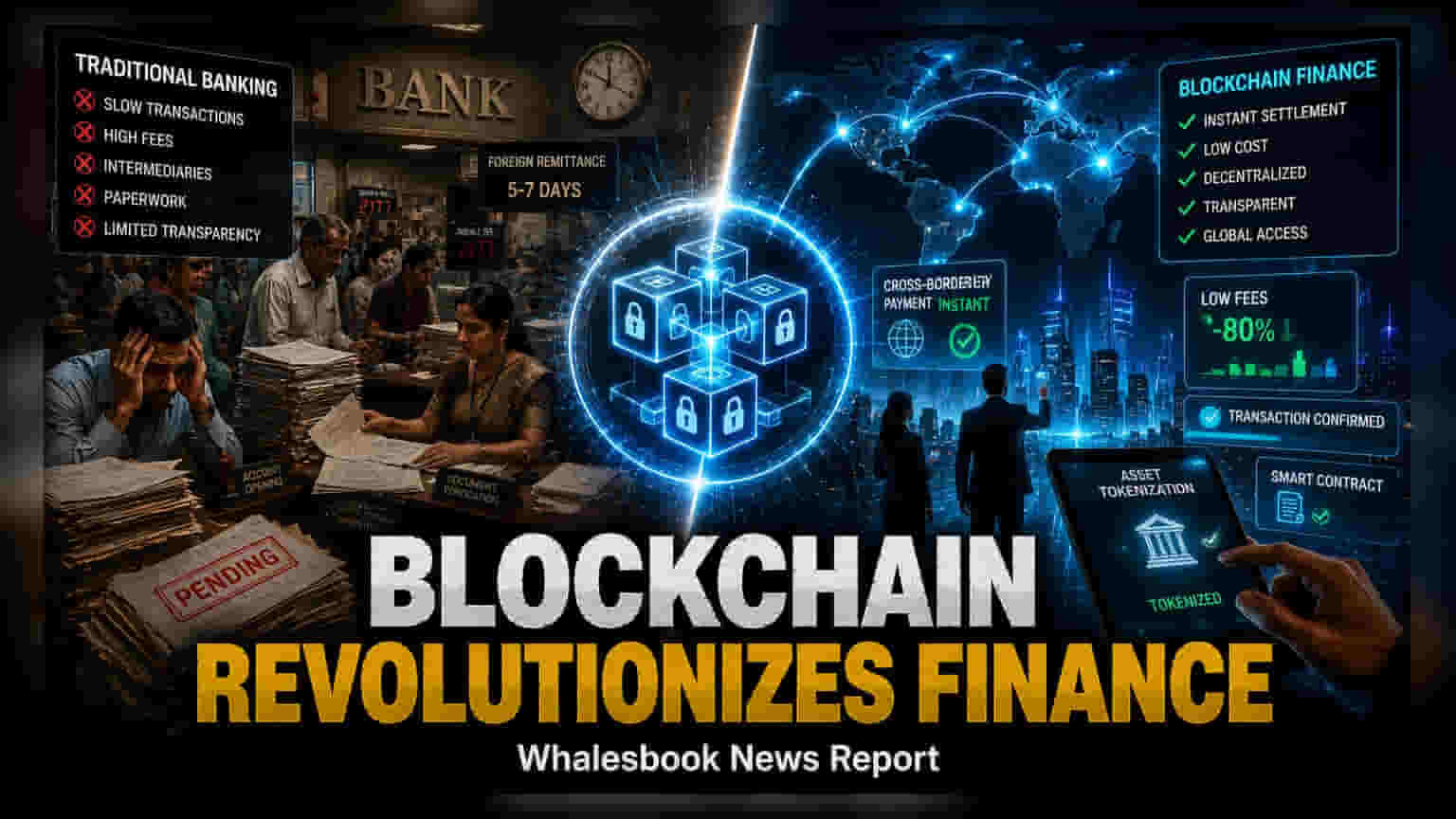
Crescite has published a report on the potential of blockchain to lower transaction costs and improve global financial security. The company is preparing to launch its 'Catholic Token' on August 29, 2026. It is critical for investors to understand that this digital asset is designed for community utility and is not an investment product, stock, or bond.
A new report released on August 22, 2026, by Crescite explores the potential for blockchain technology to streamline global financial systems. The document argues that digital ledger technology can facilitate faster and more secure transactions by bypassing traditional banking infrastructure. The company suggests that these digital frameworks could eventually support more ethical financial models, aiming to link economic activity with broader social objectives.
Following the publication of this report, Crescite Innovation Corporation is preparing for the public unveiling of its 'Catholic Token.' This project, which integrates blockchain with faith-based initiatives, is scheduled to debut on August 29, 2026, at the Solana Summer House in Los Angeles. The company has confirmed a collaboration with Solana Spaces to facilitate this launch.
The Catholic Token is positioned by its developers as a utility-focused digital asset intended to support the global Catholic community through onchain finance, governance, and asset tokenization. The organization aims to use this project to demonstrate the practical application of blockchain beyond speculative cryptocurrency trading.
For market participants, it is essential to distinguish between this digital asset and regulated financial securities. Crescite Innovation Corporation has clarified that the Catholic Token is not a stock, bond, or equity interest. It is not intended as an investment for profit, and holding it does not grant ownership rights in the company or its financial projects. This distinction is significant, as it places the token outside the scope of traditional equity market instruments.
Investors and observers should also consider the broader risks associated with blockchain-based projects. The regulatory landscape for digital assets remains uncertain across many jurisdictions, which could impact the long-term viability and operational scope of such utility tokens. Additionally, projects that rely on niche community adoption often face unique challenges in achieving widespread usage compared to established financial products. As with all decentralized systems, participants should be aware of risks such as market volatility and potential security vulnerabilities inherent in digital asset ecosystems. The success and impact of the project will depend on its actual utility, adoption rates, and its ability to navigate the evolving regulatory environment.