

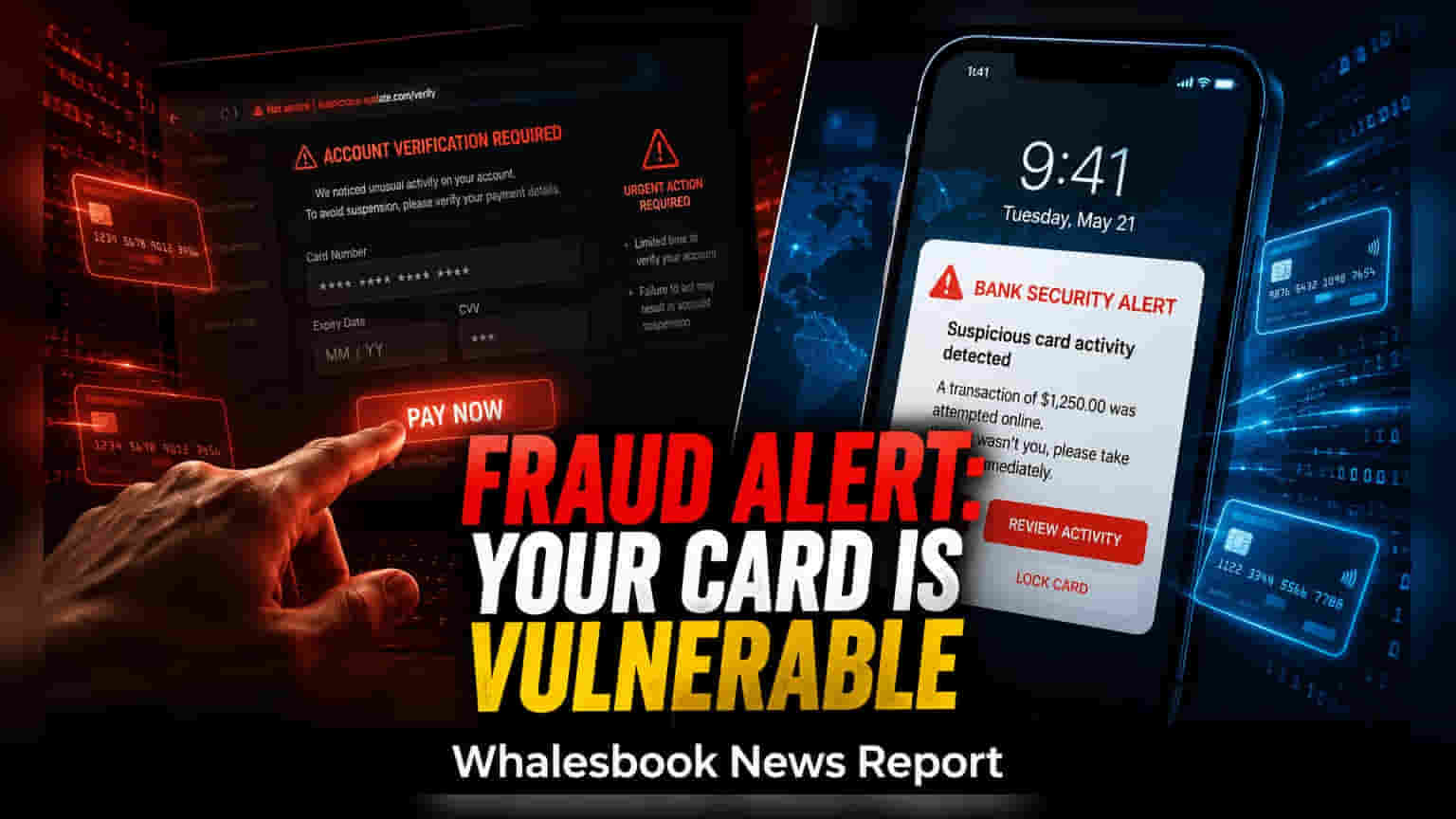
Credit card fraud is often caused by human error rather than technical hacks, as scammers exploit urgency to steal sensitive data. Protecting your money requires proactive use of banking tools like transaction limits and instant alerts. Understanding these risks helps cardholders act quickly if they suspect unauthorized activity on their accounts.
While headlines often focus on complex cyberattacks, the reality of credit card fraud for most Indian consumers is much simpler. Fraudsters frequently bypass sophisticated bank security systems by targeting the weakest link: human behavior. By creating a false sense of urgency, scammers convince users to share sensitive information like One-Time Passwords (OTPs), card numbers, or CVV codes through deceptive calls, emails, and fake payment links.
Why Urgency Is a Red Flag
Common tactics involve fake notifications about blocked cards, pending refunds, or urgent requests to update Know Your Customer (KYC) details. These communications are designed to make users act without thinking. It is important to remember that legitimate banking institutions do not ask for personal security details like OTPs or full card information over phone calls, text messages, or email. Any request demanding immediate action should be treated with extreme caution.
Using Banking Apps for Protection
Modern mobile banking applications provide several tools that can help limit potential losses. Many banks now allow users to toggle transaction types on or off, such as disabling international payments or online transactions when they are not in use. Setting daily spending limits and enabling instant SMS or push notifications for every transaction ensures that users are alerted to unauthorized activity immediately. Monitoring these alerts is one of the most effective ways to spot small, fraudulent test transactions before a larger theft occurs.
Verifying Payment Channels
Online shopping requires basic due diligence. Before entering payment details on any website or application, especially those accessed through links sent via instant messaging or email, users should verify the URL for authenticity. Taking a few extra seconds to ensure you are on an official, secure payment portal can prevent the inadvertent sharing of card data with malicious actors.
Steps to Take During Suspicion
If you notice an unauthorized transaction, the best approach is to act immediately rather than waiting to investigate. Use the bank's official mobile application or net banking portal to freeze the card instantly. This action stops further fraudulent charges while the dispute process is initiated with the bank. Reporting the incident through official customer service channels is the next step to ensure the account is secured. Consistently using these security features and maintaining skepticism toward urgent requests remains the best defense for every credit card holder.