

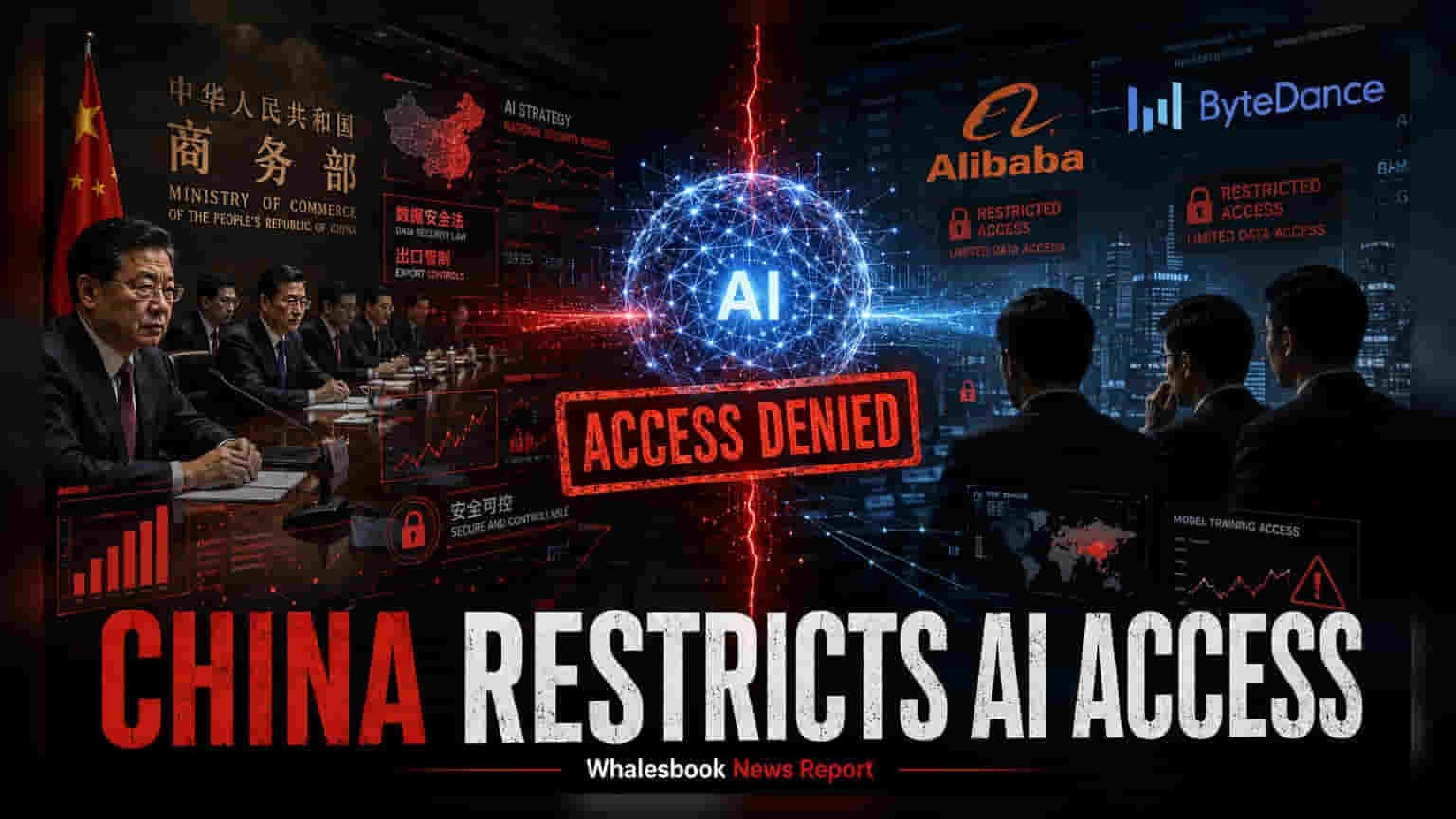
Chinese authorities are discussing potential restrictions on international access to the nation's most advanced artificial intelligence models. These measures, targeting firms like Alibaba and ByteDance, aim to protect AI as a national asset. Investors should watch how these regulations could impact the global pricing and adoption of AI technologies developed in China.
Chinese regulators are exploring new limitations on how advanced artificial intelligence models developed within the country are accessed by international users. According to recent discussions involving the Ministry of Commerce and major technology firms, including Alibaba and ByteDance, Beijing is increasingly viewing its high-end AI capabilities as critical national assets that require tighter management.
Potential Scope of Restrictions
The discussions, which reportedly took place over the past month, are focused on creating a framework to manage both closed-source and open-model AI technologies. While the full scope of these measures is still being defined, officials are considering paths to restrict overseas access, particularly for the most powerful models. The talks also covered the potential for stricter penalties regarding the theft or unauthorized leak of proprietary AI software. These offenses could potentially be classified under national security laws, which would increase the legal risks for companies operating in this sector.
Impact on Global AI Markets
The development is particularly relevant to global investors because Chinese-developed AI models, such as the R1 model by DeepSeek, have recently gained traction worldwide due to their cost-effectiveness and technical capabilities. If Beijing moves to restrict access, it could disrupt international service chains and force businesses that rely on these lower-cost alternatives to find substitutes. This shift could lead to higher costs for international AI integration, affecting the business models of firms that utilize these tools.
Strategic Control and Funding
Beyond access, authorities are also looking at tighter controls over how domestic AI startups receive funding. By managing the flow of capital into these firms, the government aims to ensure that development aligns with national security interests. This approach mirrors regulatory actions taken by other major global economies that have recently moved to limit foreign access to their own advanced AI technologies, citing security concerns.
Geopolitical and Competitive Risks
This move highlights the ongoing global competition for technological dominance. With the United States having previously implemented its own restrictions on foreign access to certain advanced AI models, the latest deliberations in Beijing underscore a reciprocal tightening of control. For investors, the risk lies in the uncertainty of these policies. If these restrictions are finalized, they may create a fragmented AI market, making it harder for companies to maintain a unified global product strategy. The key monitorable for the coming months will be the official release of these guidelines and whether they apply to existing services or only to future model generations, as this will determine the extent of the disruption to AI-linked revenue streams.