

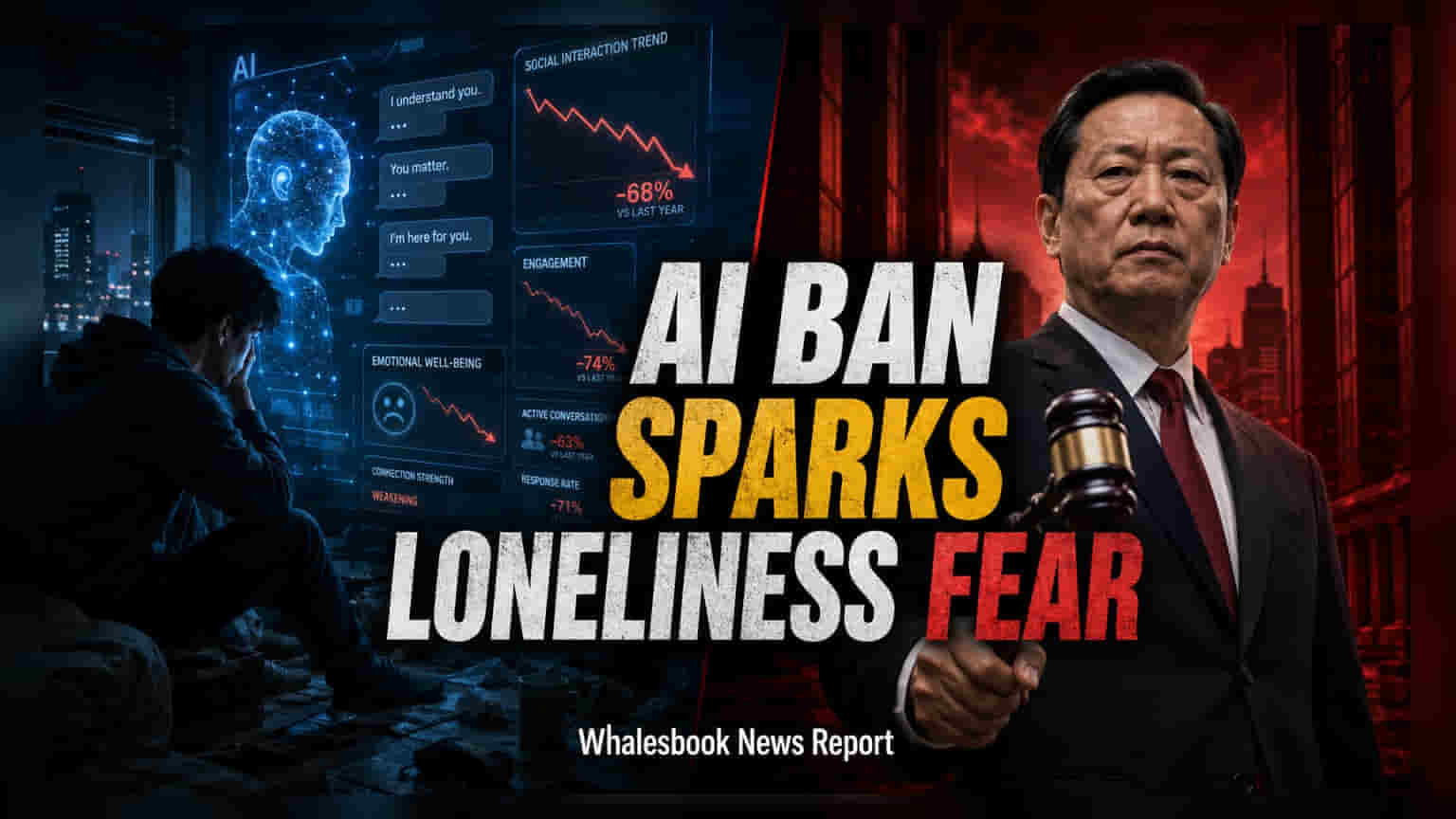
China has become the first nation to regulate AI companions, banning their use for minors due to concerns over emotional dependence and social isolation. The new mandate forces technology platforms to actively discourage deep emotional attachments, highlighting growing global scrutiny of AI's impact on human behavior.
China has implemented strict new regulations targeting Artificial Intelligence companions, marking a significant shift in how governments approach the rapidly growing generative AI sector. Under the new rules, technology companies are required to prevent minors from accessing AI companion services and must actively design their platforms to discourage users from forming intense emotional dependencies on digital characters.
Regulatory Impact on AI Platforms
The move marks a clear regulatory challenge for companies developing AI-driven social tools. These applications are often designed with features that simulate memory, constant affirmation, and 24/7 availability to maximize user engagement. By forcing platforms to modify these features, the Chinese government is directly impacting the business model of developers who rely on high retention rates driven by emotional bonding. For investors, this represents a new layer of execution risk for tech firms, as they may need to overhaul their product designs and lose revenue from younger demographics in the region.
Scientific Concerns and Social Context
Concerns regarding AI companions have been mounting as research suggests a link between heavy use and mental health challenges. A 2026 study published in the ACM CHI conference highlighted correlations between intense digital companionship and increased reports of depression and suicidal ideation, particularly among youth already facing significant social and academic pressures. Furthermore, collaborative research from OpenAI and the MIT Media Lab has pointed to a trend where heavy engagement with AI models is associated with a decrease in real-world social interactions and heightened feelings of loneliness.
While the regulation targets the digital tools themselves, some analysts note that the ban does not address the broader societal pressures, such as high housing costs, intense work hours, and the breakdown of traditional social structures, that often drive individuals toward AI for companionship in the first place. There is also a secondary risk that demand for these services could shift to unregulated or underground platforms if the underlying need for human connection is not addressed through alternative support systems.
Future Monitorables for Investors
The most important factor for investors to track in the coming quarters will be how AI development companies adjust their compliance frameworks to meet these new standards. Monitoring whether other nations follow China’s lead in regulating AI social tools will be crucial, as this could impact global product roadmaps and total addressable markets for tech companies focused on personal AI. Additionally, investors may look for disclosures from major tech players regarding how these regulations affect their daily active user counts and engagement metrics in affected markets.