

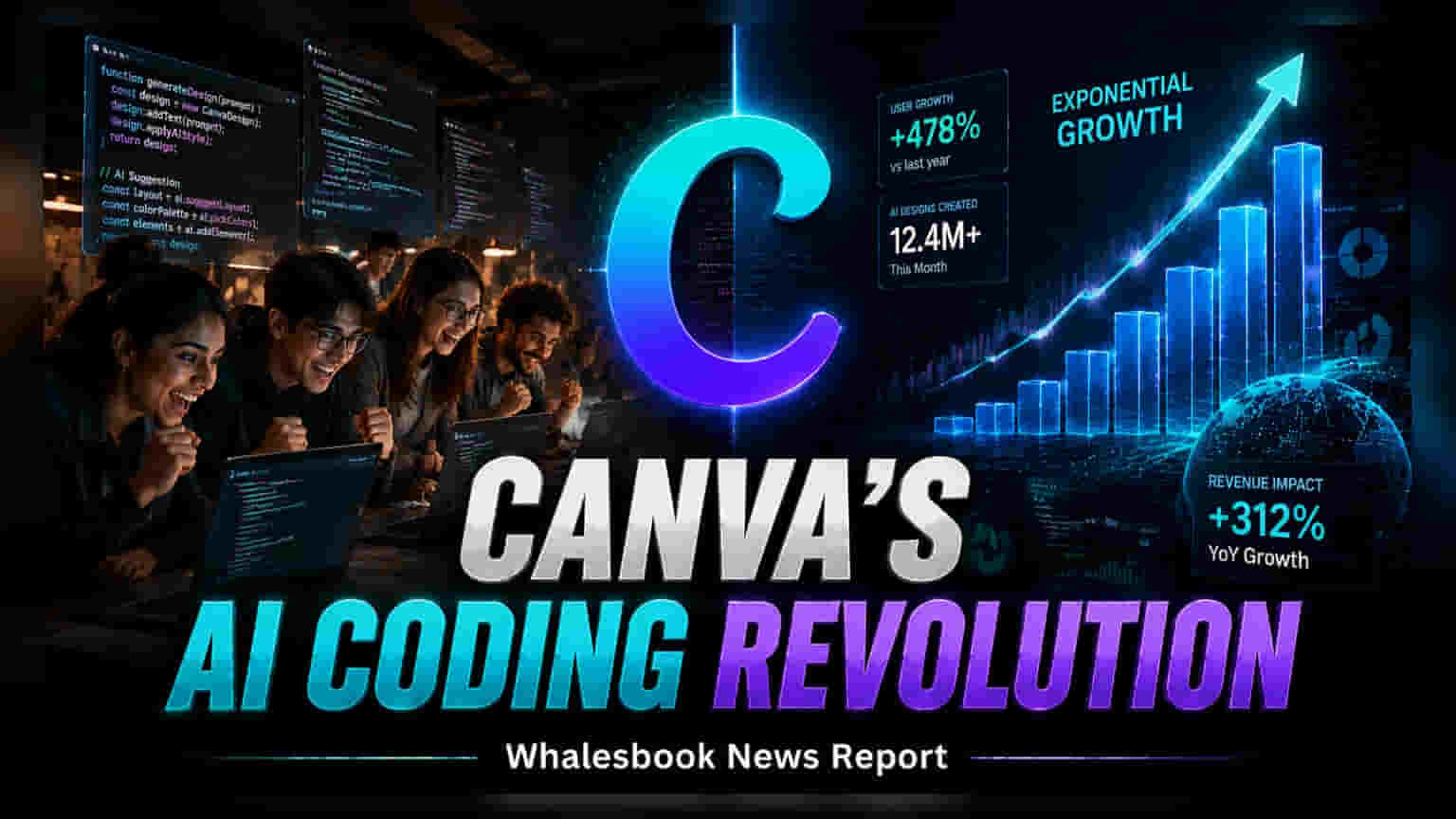
Canva has launched AI Code 2.0, a tool that lets users build websites, apps, and games using text prompts. The update aims to lower the barrier for software creation, allowing non-technical users to publish digital experiences faster. This expansion builds on the platform's existing creative tools, which have seen over 32 billion uses by its 265 million monthly users.
Canva has officially rolled out its AI Code 2.0 update globally, marking a significant step in the company’s transition from a design-focused platform into a broader creative and development ecosystem. The new tool allows users to generate functional websites, web applications, and interactive games by simply describing what they want in plain language. By removing the need for traditional programming knowledge, the company aims to open software creation to small business owners, educators, and individual entrepreneurs.
The updated tool integrates directly into Canva’s existing visual editor, allowing users to edit AI-generated code, import HTML, and collaborate in real-time. According to the company, these enhancements have improved efficiency, with code generation times dropping by 75% and the overall process from initial prompt to a published digital experience becoming 30% faster. Users can host their projects on free Canva-provided domains or connect their own custom web addresses.
Strategic Expansion and User Engagement
This launch follows a year of testing for the initial Canva Code feature, which reportedly supported the creation of more than six million websites. By embedding coding capabilities within its established design workflow, Canva is positioning itself to compete in the growing market for no-code development tools. This move is intended to increase the stickiness of the platform, encouraging users who already rely on Canva for graphic design to manage their entire digital presence, including web development, within the same software.
The scale of Canva’s AI integration is notable, with the company reporting over 32 billion uses of its suite of artificial intelligence tools to date. With a massive monthly user base of more than 265 million, the company is attempting to leverage its reach to capture a larger share of the professional and small-business software market.
Challenges in the No-Code Sector
While the expansion offers new functionality, the no-code software sector remains highly competitive. Canva faces pressure from established website builders, dedicated app-development platforms, and other tech companies that are also rapidly integrating generative AI to simplify creation. For users, the success of this tool will depend on its ability to handle complex requirements as projects grow in size. Investors and users will likely monitor how effectively the platform balances its ease-of-use focus with the technical flexibility required for more advanced web and app development, as well as the long-term impact of this expansion on Canva’s service-level costs and platform performance.