

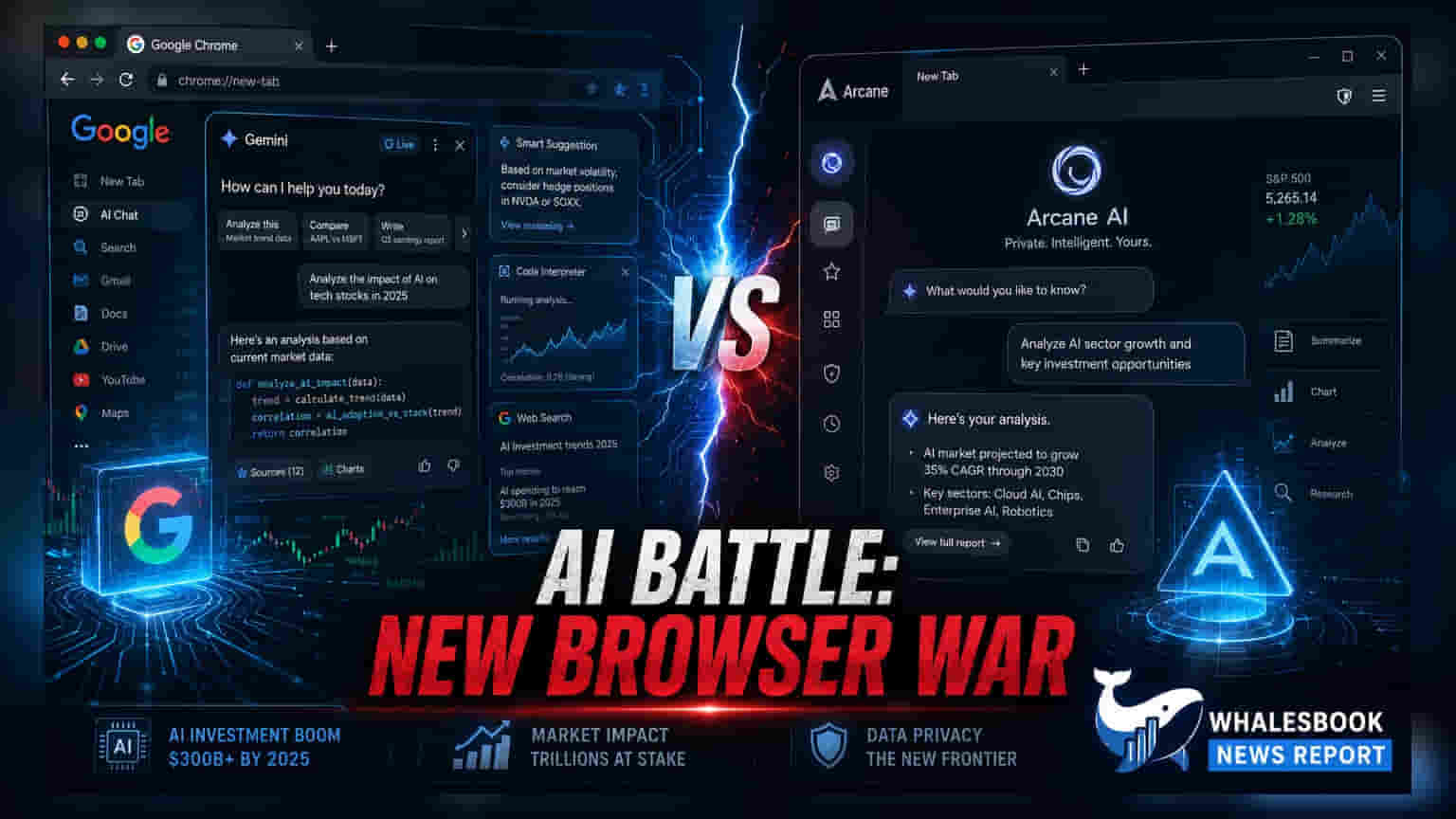
The browser industry is evolving from simple search tools to AI-powered personal assistants that automate tasks. Companies like Perplexity and The Browser Company are competing to change how users interact with web data, focusing on productivity and automation.
What Happened
The digital browser market is undergoing a fundamental change as companies pivot toward AI-integrated experiences. Traditional browsers primarily focused on displaying web pages and supporting search engines. New entrants and established players are now transforming these tools into proactive AI assistants capable of managing schedules, summarizing communications, and automating complex online tasks.
The Rise of AI-Native Browsing
This shift is driven by firms integrating generative AI directly into the browser core. Perplexity has introduced 'Comet', a browser designed to function like an advanced chatbot that handles specific tasks like calendar management and email summaries for premium subscribers. Similarly, 'Dia' from The Browser Company is currently testing features that utilize a user’s browsing history and active logins to assist in information retrieval. OpenAI’s 'Atlas' also allows direct interaction with its models to enable agent-like task automation, aiming to reduce the need for users to click through multiple external links.
Productivity and Automation Trends
Beyond search, developers are focusing on browser-native automation. Startups like Aside are creating platforms that can autonomously fill forms and organize data by accessing user credentials. Meanwhile, newer tools such as Jatter are focusing on webpage summarization and personalized recommendations. These features move the browser away from being a passive window and toward becoming an active agent in a user's workflow.
Privacy and User Focus
As AI integration deepens, concerns regarding data collection and privacy have come to the forefront. Established privacy-focused players like Brave and DuckDuckGo are balancing these AI features with ad-blocking and tracker-prevention tools. Additionally, new open-source projects such as Ladybird aim to create browsers independent of the dominant Chromium framework, promising a model with minimal data tracking. Other browsers, including Vivaldi and Zen, are prioritizing interface customization and workspace management to appeal to users seeking productivity without the complexity of constant AI interventions.
What Investors Should Track
For investors observing this space, the primary monitorable is the sustainability of the business models. Many of these AI-driven features are currently locked behind monthly subscription fees, indicating a shift toward Software-as-a-Service (SaaS) revenue models in the browser sector. Investors may track whether these premium features can attract enough users to offset high computational costs associated with running AI models. Additionally, the success of these browsers will likely depend on their ability to maintain user privacy while effectively integrating with third-party web services and data sources.