

The Bombay High Court has permitted a defamation lawsuit involving an AI-generated deepfake of Union Minister Nitin Gadkari to proceed. This legal move highlights the rising judicial focus on AI-driven misinformation in India. Investors in technology and media sectors should track how such rulings may shape future regulations regarding AI content and platform liability.
Detailed Coverage
The Bombay High Court has issued a significant legal decision by allowing a defamation case to move forward concerning an AI-generated deepfake of Union Minister Nitin Gadkari. This ruling serves as a notable milestone in India's legal response to the rapid rise of synthetic media and AI-driven misinformation. By permitting the case to proceed, the court is addressing the immediate legal challenges posed by technology that can convincingly mimic public figures, marking a proactive shift in how Indian law may treat AI content creators and platforms.
Regulatory Focus on AI Safety and Misuse
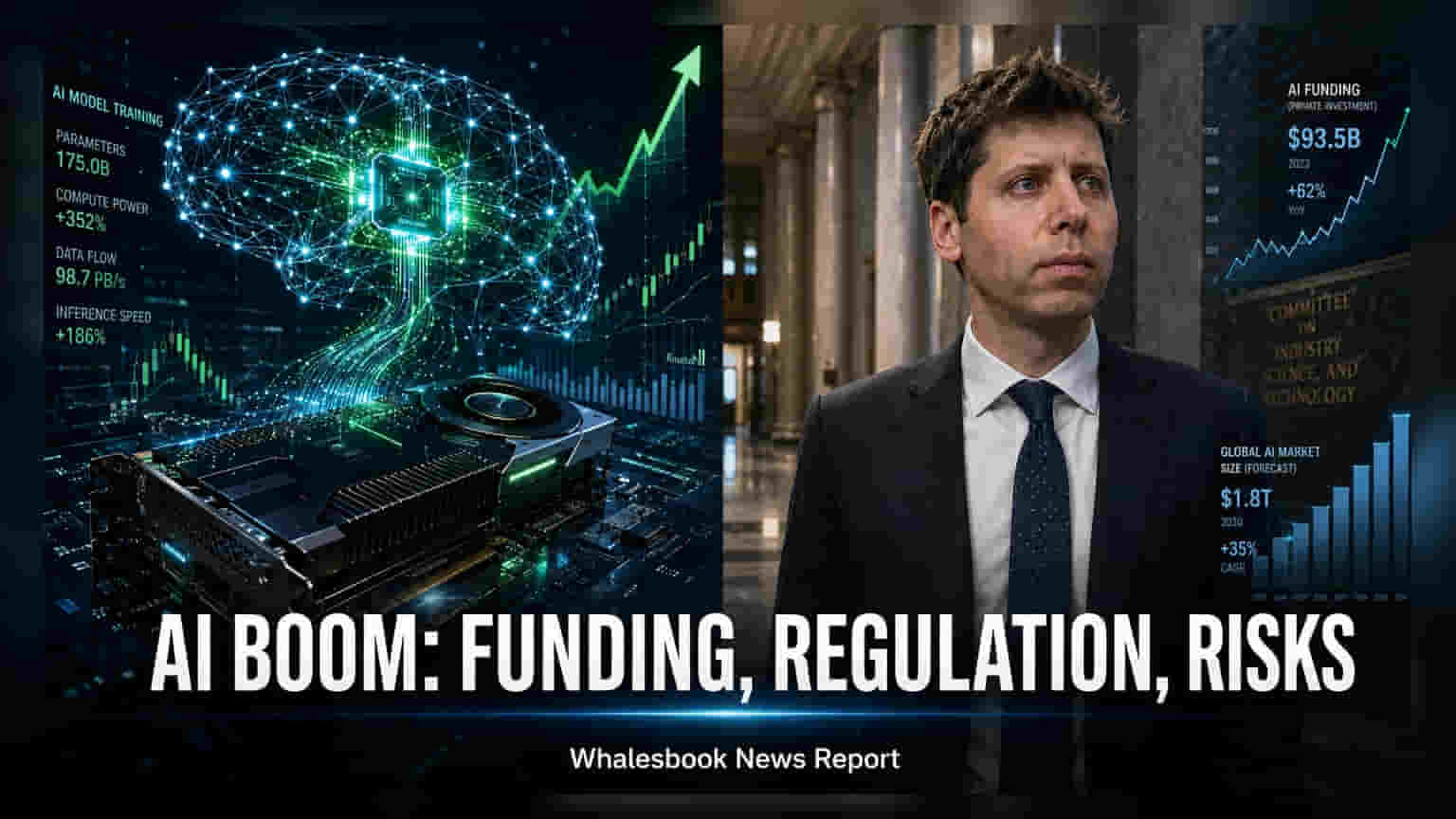
This judicial development in India coincides with global efforts to establish guardrails for artificial intelligence. While the court proceedings focus on legal accountability for misinformation, the broader industry is also balancing technical innovation with safety. In the United States, OpenAI CEO Sam Altman has been conducting meetings with government officials. These discussions are widely understood to center on the intersection of AI development, safety protocols, and the potential for federal regulation of the technology. For the AI sector, these events underscore that regulatory frameworks—both in India and abroad—are beginning to catch up with the pace of generative AI capabilities.
Evolving Industry Stance on Open-Weight Models
Meanwhile, the AI research community continues to debate the best approach for model accessibility. Anthropic recently clarified its position regarding open-weight AI models, indicating that it does not hold a blanket opposition to the concept. This flexible stance is significant because it highlights the ongoing tension between making powerful AI tools available to developers and maintaining necessary control to prevent misuse. As companies like Anthropic, OpenAI, and their competitors navigate these choices, the balance between open access and security will remain a primary factor influencing future business models and investment prospects.
Implications for Tech and Media Investors
For market participants, the intersection of legal rulings and AI regulation is becoming a critical monitorable. The ability of companies to manage risks related to misinformation, deepfakes, and copyright will likely influence their operational costs and long-term regulatory standing. Investors may track future updates from the Bombay High Court regarding the specifics of the deepfake case, as the final judgment could set a precedent for how tech platforms are held responsible for user-generated or AI-generated content in the Indian market.