

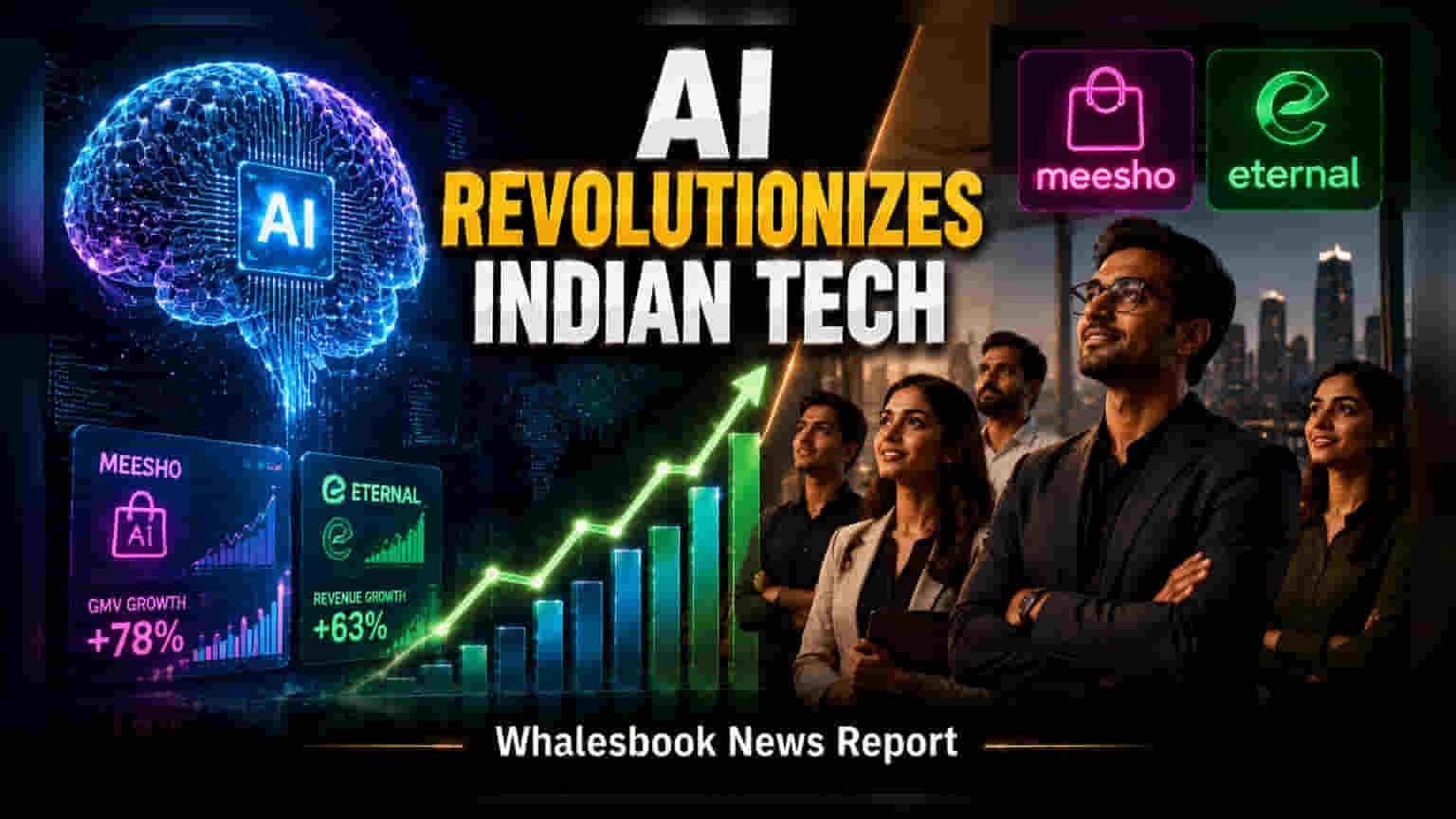
Bank of America Securities suggests AI could trigger a positive re-rating for Indian internet firms by expanding markets and improving ad revenue. Analysts point to Meesho’s voice assistant and Eternal’s data-driven ad targeting as key growth drivers. Investors should track how these AI tools translate into actual earnings growth and impact operating costs in the coming 18 months.
Bank of America Securities has shared a revised outlook for India's digital platform sector, suggesting that artificial intelligence may act as a driver for earnings growth rather than a threat. After a period where many new-age tech stocks faced valuation pressure due to concerns over AI-led disruption, the brokerage believes the market may be underestimating the technology's capacity to create new revenue streams.
AI Tools as Growth Catalysts
The report identifies specific applications for companies like Meesho and Eternal that could help them reach new customers and improve profitability. For Meesho, the focus is on its voice-based shopping assistant, 'Vaani.' By enabling a more natural interaction, the tool aims to bridge the gap for users in smaller towns who may be less comfortable with traditional text-based interfaces. This expansion into lower-tier markets is a critical monitorable for investors, as it could significantly increase the platform's active user base.
For Eternal, the potential identified by BofA lies in leveraging internal data to refine advertising. By using first-party data—such as purchase history and browsing patterns—the company aims to increase the precision of its ad targeting. This improvement is expected to help the company increase its ad revenue as a share of total sales, or Gross Merchandise Value, by offering higher returns to the brands that use its platform. The company's established presence among premium consumers and FMCG brands provides a base for this digital advertising growth.
Balancing AI Costs and Competitive Risks
While the outlook is positive, the brokerage also acknowledges real-world challenges. A significant concern for Indian internet platforms is the low Average Revenue Per User (ARPU). As these companies integrate advanced AI models, they face the risk of rising token and computing costs, which could compress profit margins if not managed effectively.
Another factor to watch is the 'agent' risk. While AI helps established players, it can also lower the entry barriers for smaller competitors who might use similar large language models to challenge market leaders. Investors may need to track whether these companies can maintain their market advantage and how they manage the balance between investment in AI infrastructure and the need to maintain healthy cash flows. The ultimate impact of these technologies will depend on the company's ability to turn increased engagement into higher earnings over the next 12 to 18 months, rather than just higher operational spending.