

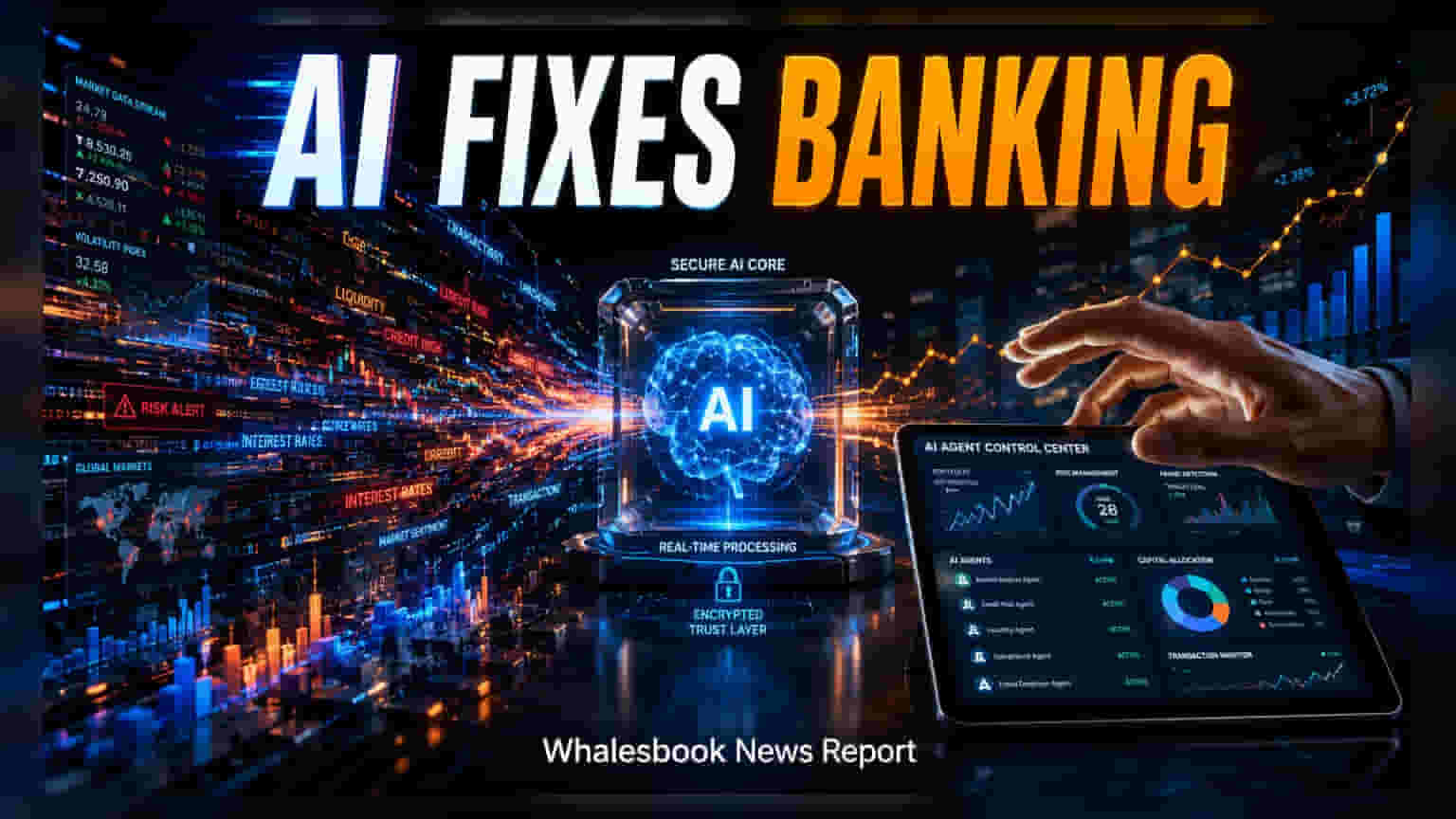
Financial institutions are shifting from human-led monitoring to automated AI agents to resolve core banking system issues. This transition aims to meet strict regulatory timelines like DORA by reducing incident response from hours to under 30 minutes. The shift highlights a critical need for institutions to balance autonomous machine action with strict compliance and accountability.
Financial institutions are increasingly deploying autonomous AI agents to manage complex banking infrastructure. Unlike traditional AI tools that merely flag errors for human review, these systems are designed to detect, diagnose, and execute repairs on critical operational failures. This change is driven by the necessity to comply with global regulatory standards, such as Europe’s Digital Operational Resilience Act (DORA), which mandates that financial entities must be capable of responding to major technical incidents within a very narrow 30-minute window.
Transition to Autonomous Repair
The industry is moving toward a collaborative agent model. In this setup, a group of specialized AI agents works in sequence. One agent continuously monitors transaction flows and system health, a second identifies the root cause of a failure, a third evaluates potential fixes, and a final agent executes the solution only after passing a mandatory compliance check. This process creates a continuous, machine-speed loop that replaces manual troubleshooting procedures, which often take hours to complete.
Early data from implementations shows that this shift can reduce incident resolution times from over two hours to under 30 minutes. Furthermore, nearly 40% of these incidents are now being managed entirely without human involvement. This operational change directly impacts a bank's ability to maintain 24/7 service stability while lowering the cost and time associated with technical maintenance.
Governance and Operational Risks
While the speed of these AI agents offers a clear operational advantage, it introduces significant risks regarding accountability and regulatory compliance. Banks are not permitted to delegate their oversight responsibilities to software. Consequently, the primary hurdle for any institution adopting this technology is ensuring that every automated action is fully explainable, reversible, and documented. If an AI agent executes an incorrect fix or fails to meet a regulatory requirement, the institution remains liable for the outcome.
For investors, the success of these deployments depends on the bank's ability to integrate these agents into existing compliance frameworks. Institutions that fail to provide adequate transparency in how their AI agents make decisions may face scrutiny from regulators, which could lead to operational disruptions or penalties. Moving forward, the key monitorables for shareholders will be the stability of these automated systems, the robustness of the bank's internal compliance logs, and the overall reduction in operational downtime reported in quarterly updates.