 Whalesbook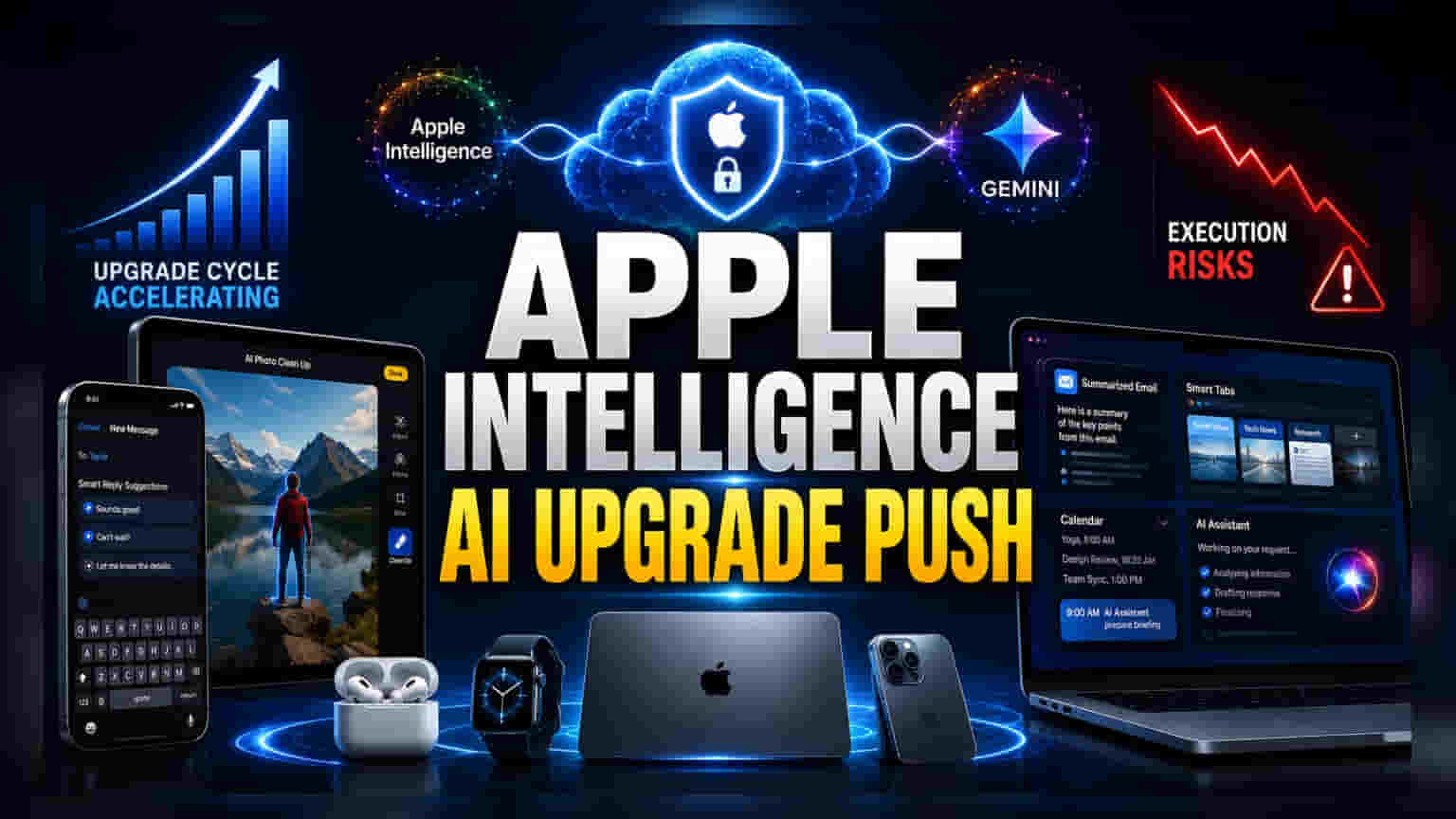


What Happened
Apple has officially announced 'Apple Intelligence,' a comprehensive suite of artificial intelligence tools integrated deeply into its operating systems, including iOS 18, iPadOS 18, and macOS 15. The update introduces significant AI-powered features across core applications. Key enhancements include advanced photo editing tools like 'Spatial Reframing' and a 'Clean Up' feature, as well as productivity tools in Safari and Mail that organize tabs and improve text suggestions. A standout aspect of this rollout is the architecture, which uses a combination of on-device processing and a 'Private Cloud Compute' system to handle complex tasks while aiming to keep user data private. Additionally, Apple confirmed it will use Google’s Gemini models to power specific AI functions, a move that signals a pragmatic approach to catching up in the generative AI space.
Why It Matters For Business Strategy
For Apple, this is more than just a software update; it is a strategic effort to integrate intelligence into the core user experience. By making devices 'smarter' through automated photo editing, intelligent messaging, and conversational calendar management, Apple aims to increase the value of its hardware ecosystem. In the tech industry, software features that require high processing power often serve as a catalyst for a hardware 'upgrade cycle.' If these AI features become essential for daily productivity, it could incentivize millions of users to upgrade to the latest iPhone, iPad, and Mac models, providing a boost to the company's hardware revenue.
The Shift Toward Partnerships
The decision to integrate Google's Gemini models is a significant pivot for Apple. Historically, Apple has preferred to keep its ecosystem closed, developing its own technology internally. This collaboration suggests that Apple recognizes the speed at which generative AI is evolving and has chosen to leverage established third-party models rather than building everything from scratch. This helps the company deliver competitive features to users faster while maintaining its focus on hardware and service integration.
Execution And Regulatory Risks
While the announcement highlights innovation, investors should remain aware of the inherent risks. First, the success of these features depends heavily on execution; any bugs or performance issues in the initial rollout could affect user trust and brand reputation. Second, while Apple emphasizes privacy through 'Private Cloud Compute,' the company remains under the scrutiny of regulators worldwide regarding AI usage, data security, and competition. Any negative findings or new regulatory requirements concerning data handling in AI could lead to compliance costs or forced changes to the product roadmap. Finally, the heavy investment in AI infrastructure and R&D will likely impact profit margins, which investors will monitor closely in upcoming quarterly results.
Competitive Landscape
The AI market is intensely competitive. Peers such as Samsung and Google have already integrated AI features into their flagship smartphones. Apple is now playing catch-up in terms of AI-specific marketing and consumer adoption. The company's advantage continues to be its massive, loyal user base and the seamless integration between its hardware and software, but it must prove that 'Apple Intelligence' provides a unique and superior user experience compared to the AI tools already available on rival platforms.
What Investors Should Track
The most important monitorable for shareholders will be user adoption rates and hardware sales data following the official rollout of these operating systems later this year. Investors will also look for management commentary on how these AI features are influencing device upgrade trends. Additionally, monitoring the integration of third-party models like Gemini will be important to understand how Apple balances its closed-ecosystem model with the need for external AI technology.