

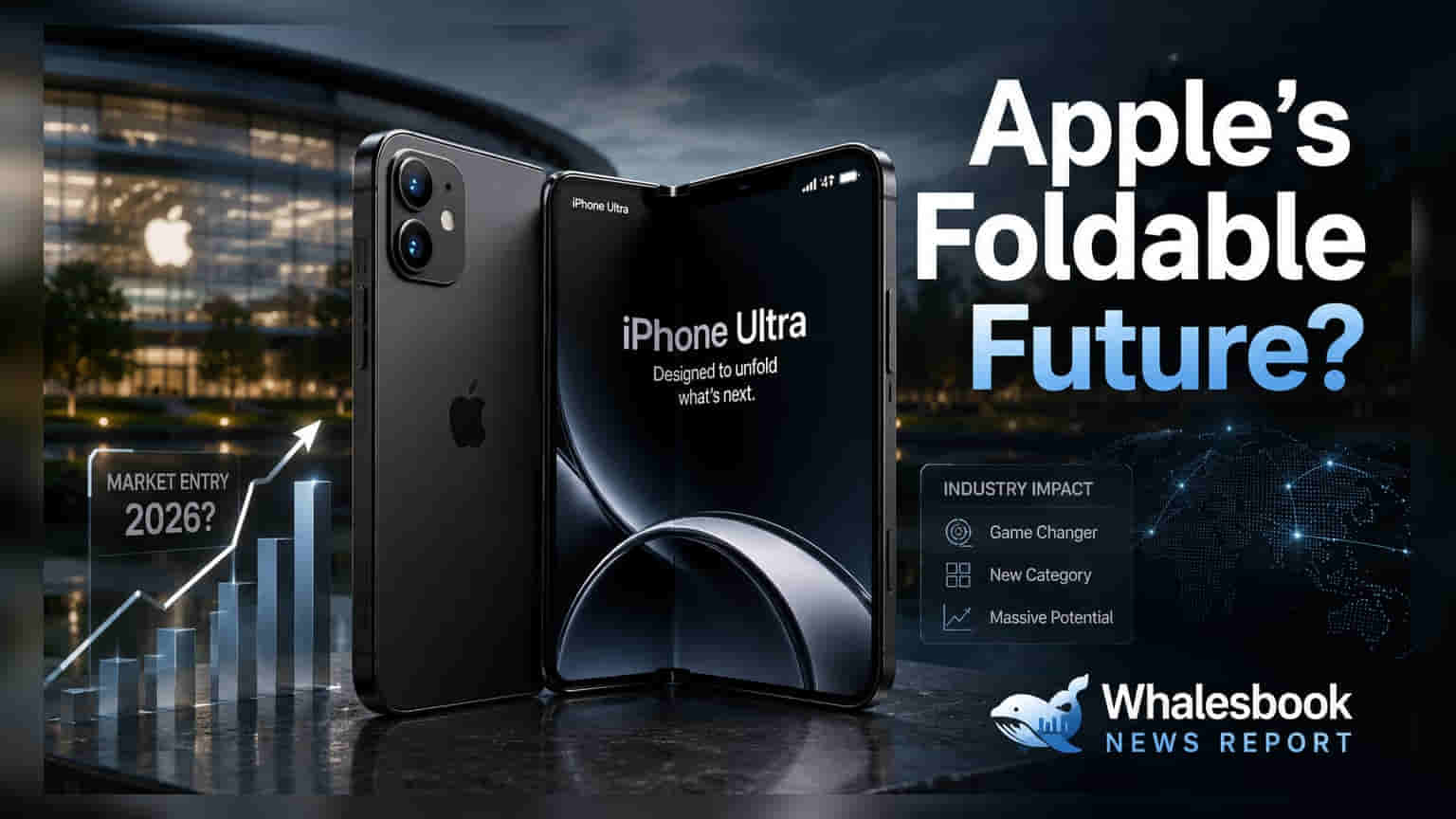
Reports suggest Apple is preparing to enter the foldable smartphone market with the 'iPhone Ultra,' likely debuting alongside the iPhone 18 series this September. This move could help the company tap into the premium foldable segment, currently led by peers like Samsung. Investors are watching for potential impacts on Apple’s average selling price, manufacturing costs, and long-term hardware strategy.
What Happened
Industry reports and leaked dummy units suggest that Apple is planning to launch its first foldable smartphone, tentatively called the iPhone Ultra, in September 2026. If true, the device would join the upcoming iPhone 18 series lineup. The leaks describe a book-style design that folds like a book, which would place it in direct competition with high-end foldable phones currently sold by rivals. While these details are circulating in tech circles, Apple has not yet issued an official announcement regarding the device, its specifications, or its pricing.
The Strategic Shift For Apple
For years, competitors like Samsung, Google, and several Chinese manufacturers have dominated the foldable smartphone market. Apple typically enters new categories only after the technology has matured and the supply chain is robust. Entering the foldable space could allow Apple to appeal to power users looking for a larger screen experience, such as a tablet-like inner display, without the need to carry a separate iPad. By bringing its own ecosystem and design philosophy to foldables, the company aims to protect its market share in the premium smartphone segment.
Financial And Market Context
Investors often watch new product categories at Apple for their impact on the 'Average Selling Price' (ASP). Foldable phones are typically priced significantly higher than standard flagship smartphones. If the iPhone Ultra launches at a premium price point, it could help push Apple’s overall hardware revenue higher, provided the demand remains strong. However, new hardware often comes with higher research and development costs. Shareholders will monitor whether the manufacturing costs—specifically for the flexible display and the complex hinge mechanism—impact the company's hardware margins in the short term.
Execution And Technical Risks
Foldable technology carries unique risks that investors should understand. The most common challenges in this sector have been the durability of the flexible screen and the reliability of the hinge mechanism over thousands of folds. If Apple faces technical issues, it could lead to increased warranty costs or brand reputation risks, similar to challenges seen by other companies in the early stages of their foldable product cycles. Additionally, because foldables are still a niche part of the overall smartphone market, mass adoption is not guaranteed, and sales volume might be lower compared to the standard iPhone 18 models.
Competitive Landscape
Samsung has held a first-mover advantage in the foldable market for several years, building brand loyalty and refining its manufacturing process. Other brands have also introduced competitive hardware. Apple’s entry typically legitimizes a new technology in the eyes of the general public. While this could help expand the total foldable market size, it also means Apple will have to compete on features and ecosystem integration against established players who have already iterated through several versions of their foldable devices.
What Investors Should Track Next
Since Apple has not confirmed the launch, the first key monitorable is an official announcement at an Apple event. Beyond the launch, investors may track the following: how the company positions the device in terms of pricing, which suppliers are chosen for the critical display and hinge components, and initial consumer demand. Commentary from management regarding the production scale of these devices and any potential impact on profit margins will be essential to gauge the true business impact of this new product line.