

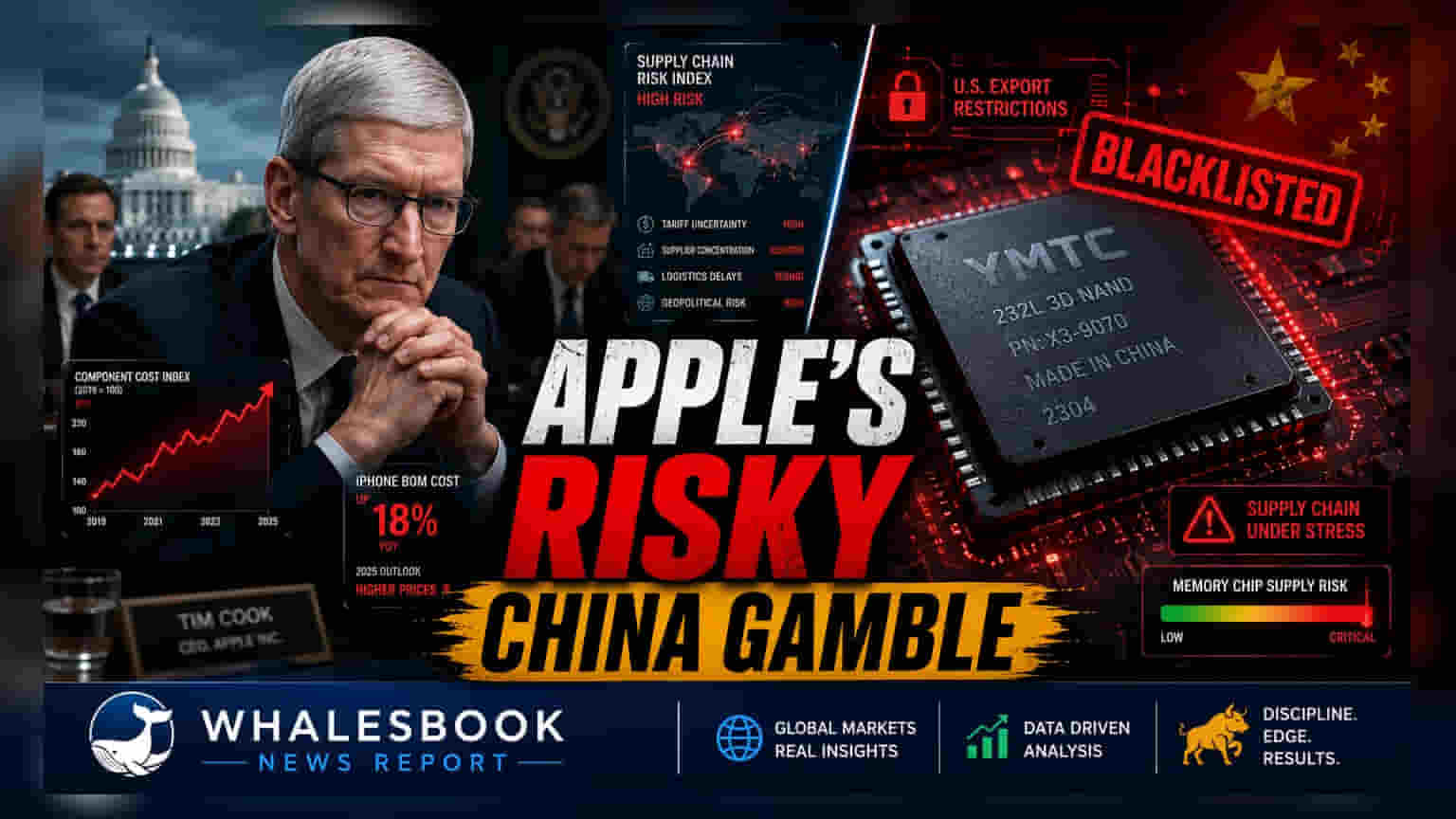
Apple is negotiating to source memory chips from Chinese firms CXMT and YMTC to tackle global supply shortages. This potential move carries high political risk, as both suppliers are on US restricted lists, potentially inviting scrutiny from Washington.
What Happened
Apple is reportedly in advanced talks to source memory chips from two Chinese semiconductor manufacturers, ChangXin Memory Technologies (CXMT) and Yangtze Memory Technologies (YMTC). The goal of these discussions is to secure a stable supply of memory components for devices sold within China. This move follows a period of global shortages that has forced Apple to increase prices on several of its product lines, including Macs, iPads, and the Vision Pro headset.
Why The Company Is Acting Now
The global semiconductor sector is currently under pressure, largely driven by the boom in artificial intelligence. AI development requires massive amounts of high-end memory, and manufacturers have shifted their production focus toward these lucrative data center processors. As a result, the supply available for consumer electronics has tightened. Apple, which currently relies on South Korean giants Samsung Electronics and SK Hynix, as well as US-based Micron Technology, is looking to widen its supplier base to ensure it can keep up with manufacturing requirements.
The Political Risk
While Apple is reportedly not legally prohibited from buying these chips, the situation is complex due to the status of CXMT and YMTC. Both companies are currently on a US government blacklist. This designation is intended to limit their access to advanced American technology and investment. By choosing to source components from these firms, Apple faces the risk of strong opposition from national security advocates in Washington. The company is already reportedly engaging with US government officials to manage the political fallout and explain the rationale behind this move.
Supply Chain Context
Currently, Apple depends on a small group of established memory chipmakers. While Samsung, SK Hynix, and Micron are investing heavily in new production facilities to meet the surging AI-driven demand, the transition takes time. Apple's interest in Chinese suppliers highlights the ongoing challenge of balancing the need for reliable supply chains against the pressures of global geopolitical tensions. If Apple proceeds with these deals, it would expand its memory supplier base to five, but potentially at the cost of higher scrutiny from US regulators.
What Investors Should Track
Investors should monitor the outcome of these negotiations and any official response from US authorities. The key monitorable will be whether the political risk outweighs the supply chain benefit. Specifically, shareholders may watch for further management commentary on component costs and any regulatory updates regarding these Chinese suppliers. Additionally, the broader trends in the memory chip market—specifically whether the supply shortage eases as Samsung, SK Hynix, and Micron expand their capacity—will play a major role in Apple’s future sourcing strategy.